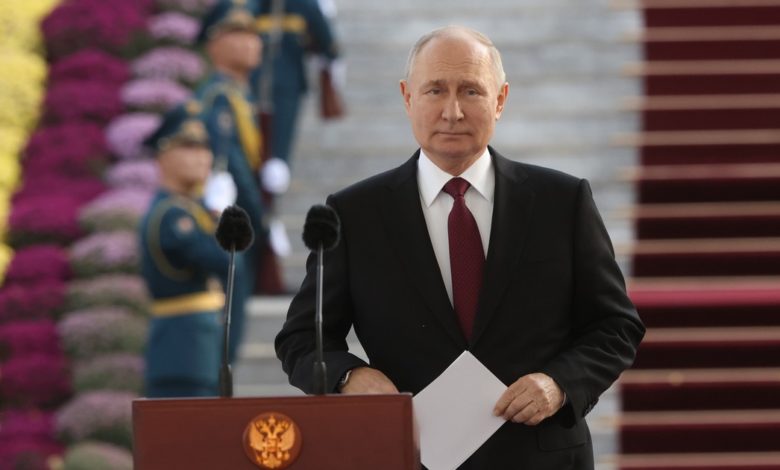
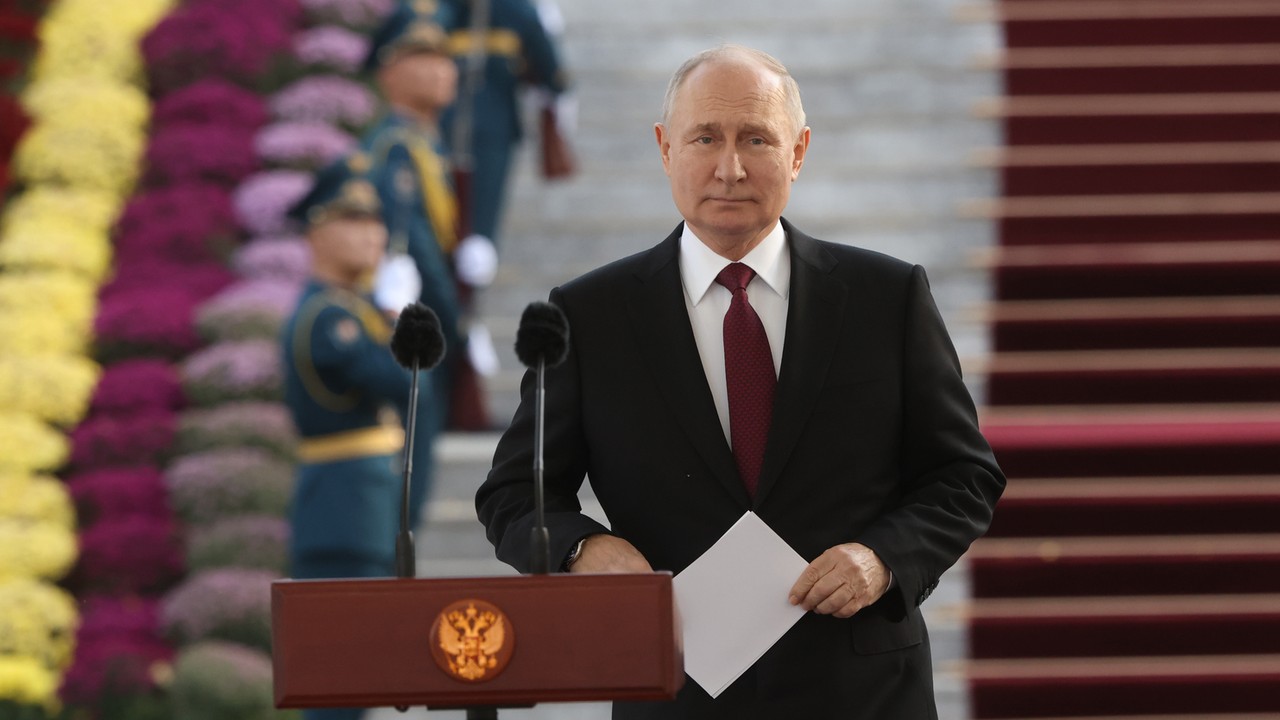
The General Director of Alabugi Timur Szagiwalejew recently appeared in a documentary film published on Russian television and for the first time opened the door of the secret drone factory for the first time. “You have no right to be afraid,” he said defiantly, quoting the Soviet hero from World War II.
The Ałabuga factory produces Shahid combat drones – they were originally designed in Iran, now they are installed in Russia. It also produces cheaper versions of Shahids called Gerbera – I use Russian forces as bait. David Albright, former UN inspector for weapons, said CNN that Moscow's decision to make the factory public shows that “The Russian authorities are more certain of their ability to produce drones.”
Satellite photos show that between the end of 2024 and mid -July 2025 at least eight new warehouse facilities appeared in Ałabuga. They were placed near buildings previously identified as the place of the production of the Shahids.
What's more striking, experts noted a significant increase in the number of workers' apartments here. In the photo of July 12 you can see at least 104 identical rectangular buildings – built or being only under construction. There were only 15 in February.
Continuation of the material under the video
The exact number of drones produced in alabga remains a strictly guarded secret of the Kremlin. In a television interview, SzagiWalejew mentioned that they currently produce them “nine times more than originally planned”. In December, CNN announced that in the period from January to September 2024, more than 5,700 Shahid drones were produced in Ałbuga, which is more than twice as much as in the whole of 2023. The target for 2024 was 10,000. gerber drones.
German division general Christian Freuding, head of the task group for Ukraine at the German Ministry of Defense, in an interview of July 19 he said that Moscow plans to shoot 2000 drones at the same time.
Consequences for the war in Ukraine
The increase in drone production in aliabga coincides with the intensification of drone attacks on Ukraine by Russia. Experts believe that the purpose of this plant may be mass production of drones for export.
Acceleration of drone work raises serious questions about Ukraine's ability to meet the growing number of attacks using them and about the potential impact of this production on the balance of power in the region. The expansion of the factory in Albuga is an expression of significant intensification of Russian activities. The key is how the international community will react to the increase in drones in Russia and how it will affect armed activities.
The Russian invasion of Ukraine, which began in February 2022, quickly turned from conventional fights into a technological war, in which drones became the main, cheap and effective weapon. While in the first year they were used sporadically for recognition, from 2023 Russia has been conducting mass attacks with the help of Shahid-136 drones of Iranian production, renamed Moscow to Geran-2.
These drones fly at low altitude, are difficult to detect and can carry an explosive with a mass of over 30 kg. They cost little (approx. $ 20,000, PLN 72.6 thousand per item) compared to another weapon, but they can cause serious damage to civil and military infrastructure.
I’m Ashley Davis as an editor, I’m committed to upholding the highest standards of integrity and accuracy in every piece we publish. My work is driven by curiosity, a passion for truth, and a belief that journalism plays a crucial role in shaping public discourse. I strive to tell stories that not only inform but also inspire action and conversation.