How to eat enough protein if you're vegetarian, without stress and without restrictive diets


One of the most common myths about a vegetarian diet is that it doesn't provide enough protein. In reality, giving up meat does not mean giving up protein. A well-constructed vegetarian diet can fully cover the daily requirement and support both optimal energy levels and muscle mass.
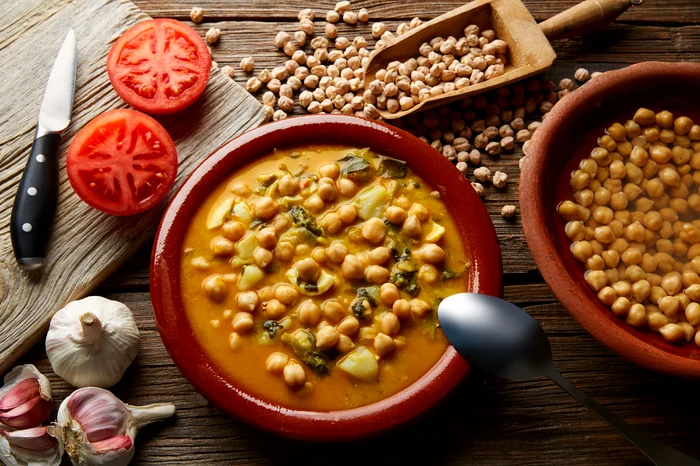
Photo credit: Shutterstock
“The idea that a vegetarian diet provides insufficient protein and amino acids is more myth than reality,” explains Katrina Hartog, director of the clinical nutrition department at Mount Sinai Morningside and Mount Sinai West, in a material published by Vogue. She shows that the classical division into “complete” and “incomplete” proteins is misleading, because it is based only on how the amino acids are distributed. In practice, vegetable proteins have a different profile than animal proteins, but they contain all 20 types, and in a varied diet the daily requirement can be covered without difficulty.
A constant intake of protein is important for any person, regardless of the type of diet chosen. Proteins participate in almost all processes in the body. “Each cell contains them, and they are made up of amino acids. Through food, we provide the body with the raw material necessary to restore tissues and support muscle mass,” explains nutritionist Karishma Shah, quoted by Vogue.
Katrina Hartog warns that a lack of protein can have serious effects, from anemia and physical weakness to decreased immunity and impaired heart function. Protein is essential, but meat isn't the only solution, she says. A well-constructed vegetarian diet with varied sources of protein can cover the daily requirement.
How much protein should you eat?
According to him, the daily protein requirement varies according to weight, muscle mass and level of physical activity. As a general guideline, current recommendations point to about 0.8 grams of protein per kilogram of body weight per day, a baseline that can be adjusted for active people or people with more muscle mass.
Based on this benchmark, a person weighing about 75 kilograms needs, on average, about 60 grams of protein per day. In the case of a vegetarian diet, part of this intake can come from 150 grams of tofu (about 24 g of protein), 200 grams of cooked lentils (about 18 g) and 40 grams of oats (around 5 g). The rest is made up from other sources consumed throughout the day, such as legumes, seeds, nuts or dairy, depending on preferences.
This is a good guideline for most adults, regardless of whether they eat meat or not. The amount can be adjusted based on your activity level and personal goals. Recent studies show that physically active people can have additional benefits when they reach about 1 gram of protein per kilogram of body weight, including better muscle mass maintenance and increased strength.
Karishma Shah points out that you don't need to aggressively increase your protein intake to reap the benefits. She explains that many people who are active or go to the gym frequently end up overdoing it, convinced that this will help their body or build more muscle mass. In reality, Shah says, excess protein can promote fat storage and put unnecessary strain on the liver. The benefits arise from an intake adapted to the real needs of the body, not from excesses, and balance remains the central criterion, she emphasizes.
For her part, nutritionist Lisa McDowell suggests that, at main meals, you aim for around 30 grams of protein. As a practical guideline, her recommendation is simple: the portion of protein on your plate should be at least the size of your palm. It's a visual trick that helps you quickly estimate the amount, whether you're eating out, visiting or eating on the run.
9 Best Protein Sources for Vegetarians
The best sources of protein for vegetarians come packed with fiber, vitamins and minerals essential to the body. Which is very important, because we're not just talking about protein intake, but nutritionally complete meals.
1. Legumes
Both Shah and Hartog agree that beans, chickpeas, lentils and peas are among the best sources of protein, ideal for vegetarians.
Beans, whether we're talking about red or black beans, are one of the most consistent plant sources of protein. Separately, chickpeas come with their own solid nutritional profile: about 20 grams of protein per 100 grams, plus fiber and minerals that support digestion and metabolism. Both are easy to integrate into daily meals and provide real satiety without the intake of saturated fat.
Lentils are one of the key foods in the vegetarian diet, because they bring together protein, complex carbohydrates, fiber, vitamins and minerals. It can be easily used in soups, stews or next to rice, in soups, and the fiber intake supports the digestive balance. A serving of about 200 grams of cooked lentils provides around 18 grams of protein, making them a solid base for everyday meals.
Also, a 150 gram serving of peas contains about 9 grams of protein. At the same time, peas are rich in vitamins A, K and C and contain numerous minerals and a large amount of fiber.
2. Nuts
Nuts and seeds are a great source of protein, as well as fiber, vitamin E and heart-healthy fats. Almonds, pistachios and cashews can easily be integrated into everyday snacks. As a guideline, about 28 grams of almonds provide about 6 grams of protein, and the same amount of walnuts provides about 4.5 grams. In addition, these foods provide satiety and stable energy, without unnecessarily loading the daily menu.
3. Vegetables
Artichokes, asparagus, broccoli, spinach, sweet potatoes and Brussels sprouts are the vegetables with the best protein intake among those you often find in stores, according to Katrina Hartog. They do not compete with legumes or soy products, but they provide constant protein, along with fiber, vitamins and minerals, and can be easily integrated into everyday meals.
As an order of magnitude, a cup of cooked Brussels sprouts (approx. 200g) provides around 4g of protein, an average artichoke provides around 4.2g, and a cup of spinach (approx. 30g) provides just under 1g. Separately they seem small, but added up throughout the day they really contribute to your total protein intake.
4. Cereals
When talking about grains, Katrina Hartog mentions corn, millet, quinoa, and seitan, along with whole grains like brown rice, whole grain pasta, and whole grain bread, as sources that can consistently contribute to your daily protein intake, especially in a vegetarian diet. As a guideline, a serving of about 50 grams of quinoa provides around 5-6 grams of protein.
5. Chia seeds
Chia seeds help regulate blood sugar and increase dietary fiber intake. A 100-gram serving provides about 16.5 grams of protein and over 34 grams of fiber, and the high omega-3 content also contributes to heart health.
6. Soy-based foods
Katrina Hartog shows that soy foods, such as soy milk, tofu or edamame, are associated with a lower risk of cardiovascular disease, stroke and certain types of cancer. Beyond these benefits, they are also solid sources of protein. For example, a 250 ml glass of soy milk provides about 7 grams of protein, and 100 grams of tofu provides around 17 grams.
7. Dairy products
For vegetarians who include dairy in their diet, Katrina Hartog explains that cheese, milk and yogurt support muscle recovery and provide leucine, an important amino acid for maintaining muscle mass and proper functioning of the body.
8. Tempeh
A 100-gram serving of tempeh contains about 20 grams of protein and all nine essential amino acids. As a fermented food, it is easier to digest and supports intestinal balance, making it a valuable option for vegetarians who want complete protein without putting extra strain on digestion.
9. Inactive yeast
Consuming inactive yeast is a simple way to increase your protein intake, along with B vitamins (including B12, in fortified versions) and minerals such as zinc. It is easily integrated into meals, sprinkled over salads, added to sauces or used as a vegetable alternative to cheese.
What the data shows about plant protein and muscle mass
We remind you that a clinical study published in Sports Medicine directly compared an exclusively vegetarian diet with an omnivorous one, with equal protein intake, during 12 weeks of strength training. Participants consumed about 1.6 grams of protein per kilogram of body weight per day, from whole foods plus supplements (soy for vegans, whey for omnivores).
The result was clear: plant-based and omnivorous diets similarly supported increases in muscle mass and strength, provided adequate protein intake.
The researchers' conclusion was that a plant-based, well-structured diet with adequate protein intake can support muscle mass and strength as effectively as a diet that includes animal products, including in the context of resistance exercise.