The European Commission is targeting Russian oil again, with a much broader sanctions plan. Brussels wants the package adopted this month


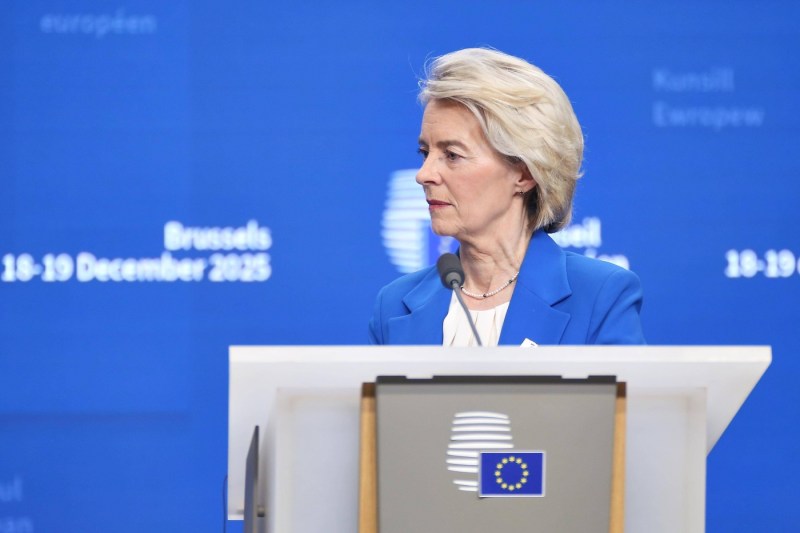
Ursula von der Leyen at the press conference in Brussels, Belgium in December 2025. Credit line: dts Nachrichtenagentur / imago stock&people / Profimedia
The European Commission proposed on Friday the 20th package of sanctions against Russia, focused on financial services, trade and energy, including the ban on maritime services (maintenance, towing, etc.) for Russian oil tankers and ships carrying liquefied gases, with the objective of this package entering into force this month, four years after the start of the invasion launched by Russia in Ukraine on February 24, 2022, AFP and EFE agencies report.
One of the main measures in this package is the total ban on maritime services related to the transport of Russian oil, in order to further reduce Russia's income and make it more difficult to find buyers for its oil, the president of the European Commission, Ursula von der Leyen, said in a statement, adding that the initiative is to be coordinated together “with partners with the same interests, following a decision by the G7”, notes Agerpres.
The Commission's proposal, which still needs to be discussed and approved unanimously by the 27 EU member states before it can be implemented, also includes adding to the blacklist 43 more oil tankers from the so-called “shadow fleet” used by Russia to circumvent Western sanctions. A total of 640 oil tankers will thus be found on this EU blacklist. But the actual number of Russian “shadow fleet” ships is much higher, up to about 1,400 tankers under various flags.
Von der Leyen also said she plans to make it more difficult for Russia to contract oil tankers, with blanket bans on the provision of maintenance, towing and other services, as well as services for liquefied natural gas (LNG) carriers and icebreakers, in an attempt to prevent Russia from exporting its gas as much as possible.
The EU has already decided to stop gas imports from Russia from next year, after in the period since the beginning of the war in Ukraine it adopted a policy of reducing Russian gas imports, largely replaced by more expensive liquefied natural gas (LNG) imported especially from the USA, imports that will increase with the ban on the purchase of Russian gas.
Banks, cryptocurrencies and alternative payment channels
Brussels also proposed in the new sanctions package measures against the Russian banking system, aiming to restrict its ability to create alternative payment channels to finance economic activity, which Von der Leyen considers “Russia's weak point”.
Specifically, the Commission proposes to add 20 more Russian regional banks to the list of sanctions and measures against cryptocurrencies, respectively against companies and platforms that facilitate their trading, in order to close a loophole in circumventing the sanctions decided by the EU. Also included here are sanctions against third-country banks that facilitate “illegal” trade in sanctioned products.
The European Commission is also asking for new restrictions on exports to Russia, through bans on some goods and services, from rubber to tractors and cyber security services, worth more than 360 million euros.
Brussels wants in the same sanctions package new bans on imports of critical metals, chemicals and minerals from Russia worth more than 570 million euros, including the imposition of a quota on ammonia imports, plus further restrictions on the export of goods and technologies used by Russia on the battlefield, such as materials used to make explosives.
To limit circumvention of European sanctions, Brussels is calling for the first activation of the so-called “anti-circumvention tool”, which prohibits the export of any electronic products to jurisdictions where there is a high risk of these products being re-exported to Russia.