Russia's Ministry of Science and Higher Education was scheduled to send the recommendation to academic institutions at the end of January, a month after Polish law enforcement authorities arrested Alexander Butyagin, a leading archaeologist from the prestigious Russian Hermitage Museum. Ukraine accused him of conducting illegal excavations in the annexed Crimea.
What recommendation did the Russian Ministry of Science issue?
What happened to Alexander Butyagin?
Why are some scientists afraid of traveling to Western countries?
How did the Kremlin react to Butyagin's arrest?
Russia reacts after the detention of Alexander Butyagin in Poland. Recommendation for universities
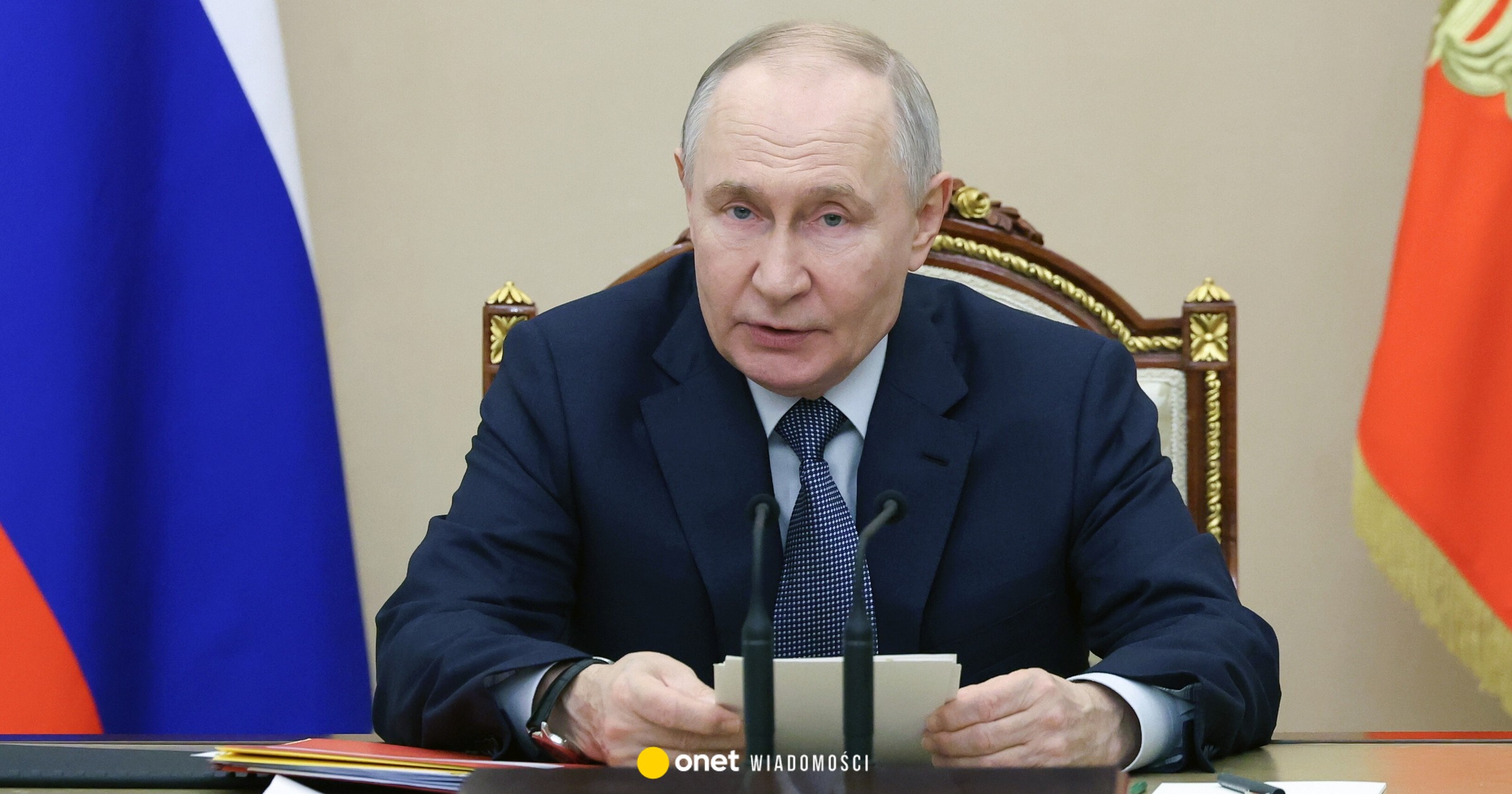
The Kremlin called Butyagin's arrest an “abuse of the law” and demanded his release. It was not immediately clear whether the Hermitage museum had approved the archaeologist's trip to Europe, where he was arrested before his arrest last December. he gave lectures in the Netherlands and the Czech Republic. The museum said Butyagin was on vacation at the time of his arrest.
“Vedemosti” reported that at least one university “froze” several business trips of employees planned for spring even before the announcement was published by the Ministry of Science and Higher Education. One source said some scientists who had planned to travel to Western countries now fear they may be detained for political reasons.
Recommendation for Russian universities following the detention of Alexander Butyagin. “We rarely go away”
Two scientists from large Russian universities told The Moscow Times that they knew nothing about the recommendation of the Ministry of Science and Higher Education. A third scientist, describing the Vedemosti report as “hype making,” said universities often require prior approval for business trips, regardless of whether employees are traveling within Russia or abroad.
A graduate of the Moscow Higher School of Economics, who asked to remain anonymous, said Russian scientists now rarely travel to “unfriendly” countries for conferences or other academic events, partly because of restrictions that Western institutions imposed on cooperation with Russian universities after the 2022 invasion of Ukraine.
— Overall, I don't see anything unusual about this news, the graduate said. “We rarely go on this type of trip,” he added.
It is therefore unclear what practical impact the recommendation of the Ministry of Science and Higher Education will have, given that academic exchanges between Russia and the West were already limited.
Despite this, some Russian scientists still occasionally travel to Western countries for professional purposes and publish jointly with foreign colleagues, as confirmed by sources from both The Moscow Times and Vedemosti.