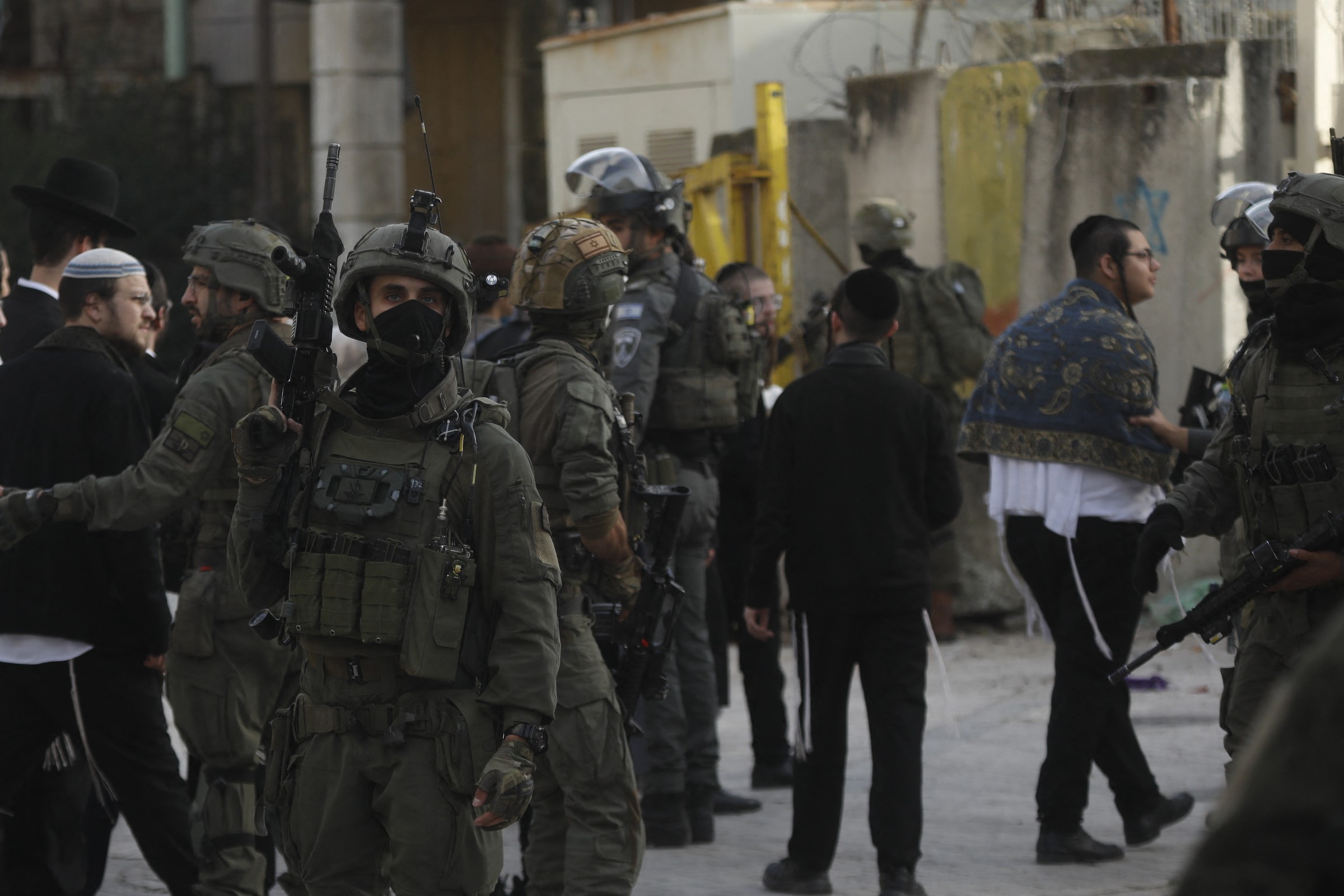
Baharaw-Miara admitted that the police are blocking access to districts inhabited by ultra-Orthodox Jews, and the military police need support during arrests because they are unable to make them on their own, the Haaretz daily reported.
Why do the police refuse to help the military police?
How many people dodge military service in Israel?
What is the police reaction to the arrests of ultra-Orthodox people?
What protests took place in Israel in 2025?
According to the prosecutor general's office, there are approximately 71,000 people in Israel. people evading military service, of which 80 percent are members of the ultra-Orthodox community, called Haredim (Hebrew: God-fearing).
The police refuse to help. “They give you a summons and release you”
Currently, ultra-Orthodox people who are stopped during routine checks and turn out to be deserters will not be arrested – the police only give them notices to appear at the gendarmerie unit and they immediately slow down.
The decision not to support the army results, according to the services, from fears of riots caused by the arrest of deserters and staff shortages.
The attorney general warned that the police's attitude was leading to a “dangerous and disturbing” situation of selective enforcement. While other social groups are subject to full criminal penalties for avoiding service, the ultra-Orthodox are, de facto, protected from sanctions.
The problem has been going on for years
The problem of Haredi conscription dates back to the beginnings of the state of Israel. In 1948, Prime Minister David Ben-Gurion agreed to release from military service students of religious schools, of whom there were approximately 400 at that time, treating it as a gesture towards the community that suffered particularly during the Holocaust and in exchange for the support of religious leaders for the newly established state.
However, today the ultra-Orthodox constitute 13 percent. population of Israel, and exemptions from conscription apply to approximately 60,000. men, which causes increasing tensions in society, especially during war. A large proportion of Israelis consider the collective dismissal unfair because military service is compulsory for other Jewish citizens.
Currently, almost half of ultra-Orthodox men in Israel do not work and most of them study religious texts “professionally”, receiving state stipends for this. Large families, with an average of six children, are supported mainly by family benefits and the work of women, approximately 80% of whom is professionally active. Haredim emphasize that their lifestyle is incompatible with military service, and conscription may lead young men to abandon their faith.
Israelis took to the streets
In 2025, there were numerous protests by this community in Israel against attempts to conscript them into the army, after the Israeli Supreme Court in 2024 found there was no legal basis for collective exemptions from conscription and obliged the government to start recruitment. Binyamin Netanyahu's government has been obliged to develop a collection plan, but has not yet presented a specific solution.
Netanyahu's government, like the vast majority of cabinets in Israel's history, relies on the support of religious parties. Exempting the ultra-Orthodox from military service is still a pillar of a political compromise that has endured for decades thanks to the influence that Haredim have in Israeli coalition politics.