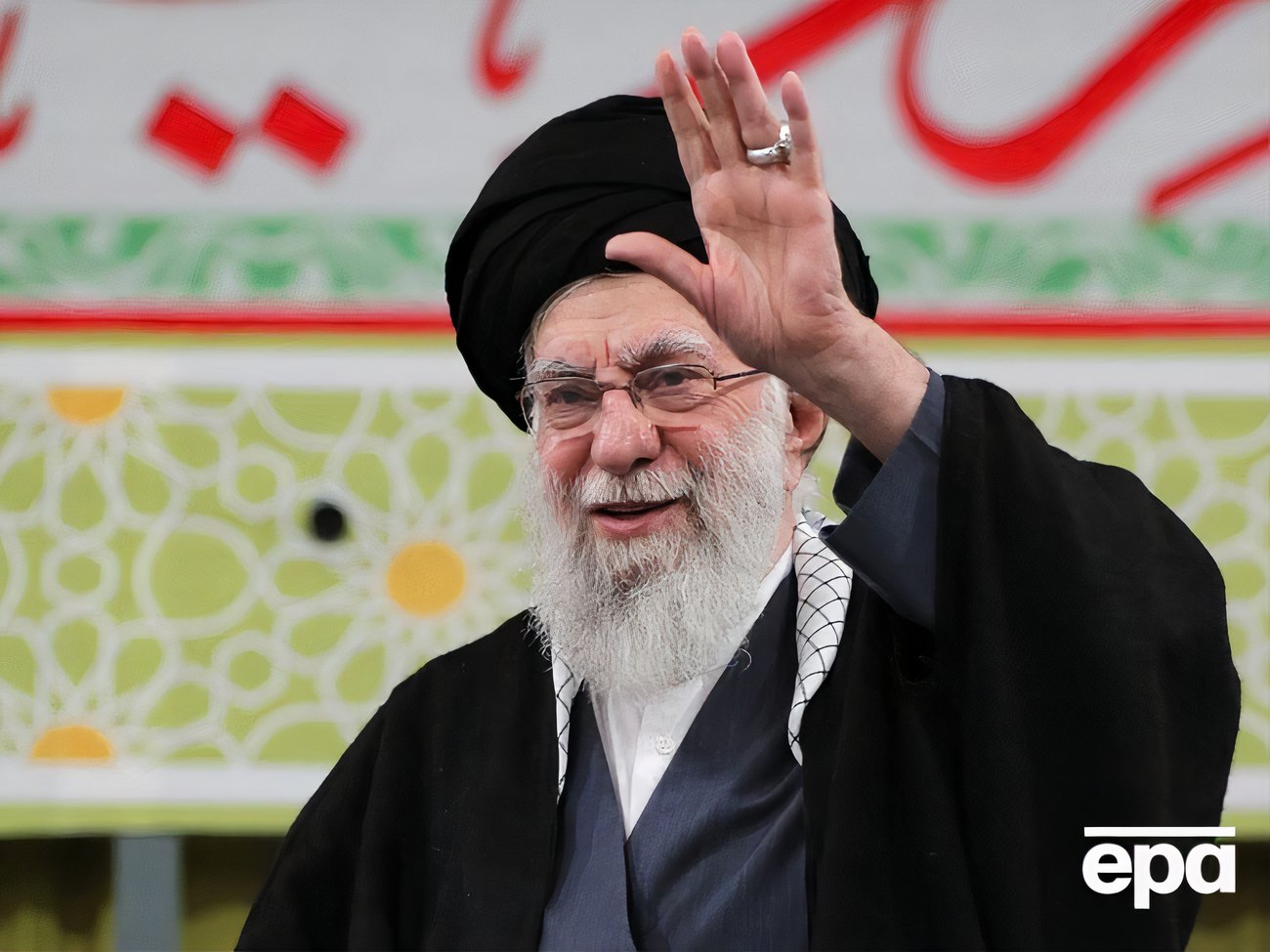
Earlier, on February 1, Iranian Supreme Leader Ali Khamenei threatened that if the United States attacks Iran, “this war will be regional,” he was quoted by Tasnim on Telegram.
Trump reacted to Khamenei's statement.
“We have the biggest and most powerful ships in the world there,” the US president said. “I hope we can make a deal. If we don’t make a deal, then we’ll find out if he was right.”
MOMENTS AGO: President Trump responds after Iran's supreme leader warned of a regional war if the US attacks Tehran.
“If we don't make a deal, then we'll find out whether or not he was right.” pic.twitter.com/wDb3ABLuLP
— Fox News (@FoxNews) February 1, 2026
Context
On January 2, Trump warned that the United States could intervene if Iranian authorities crack down on peaceful, massive anti-government protests that began in late December last year.
On January 10, the Iranian army announced its readiness to participate in the suppression of demonstrations, and the country's prosecutor general threatened to execute protesters. On the same day, the WSJ wrote that the United States was discussing a possible strike on Iran.
Iran International TV reported on January 13 that at least 12,000 people had died during large-scale protests in Iran, most of them during two days of violent suppression.
On January 25, media reported that the United States was transferring aircraft and destroyers to the Middle East amid a possible escalation with Iran. Trump said the US has a “big armada” near Iran.
On January 28, Trump demanded that Iran come to the negotiating table to reach a “fair and just agreement – without nuclear weapons.” He warned that the next US strike “will be much worse” than last year's strikes on Iran's three nuclear sites.
CNN reported that Iran promised an “immediate and powerful” response, and key American allies refused to provide their airspace for the operation. Despite this, US capabilities have expanded with the arrival of the USS Abraham Lincoln carrier strike force in the region.