
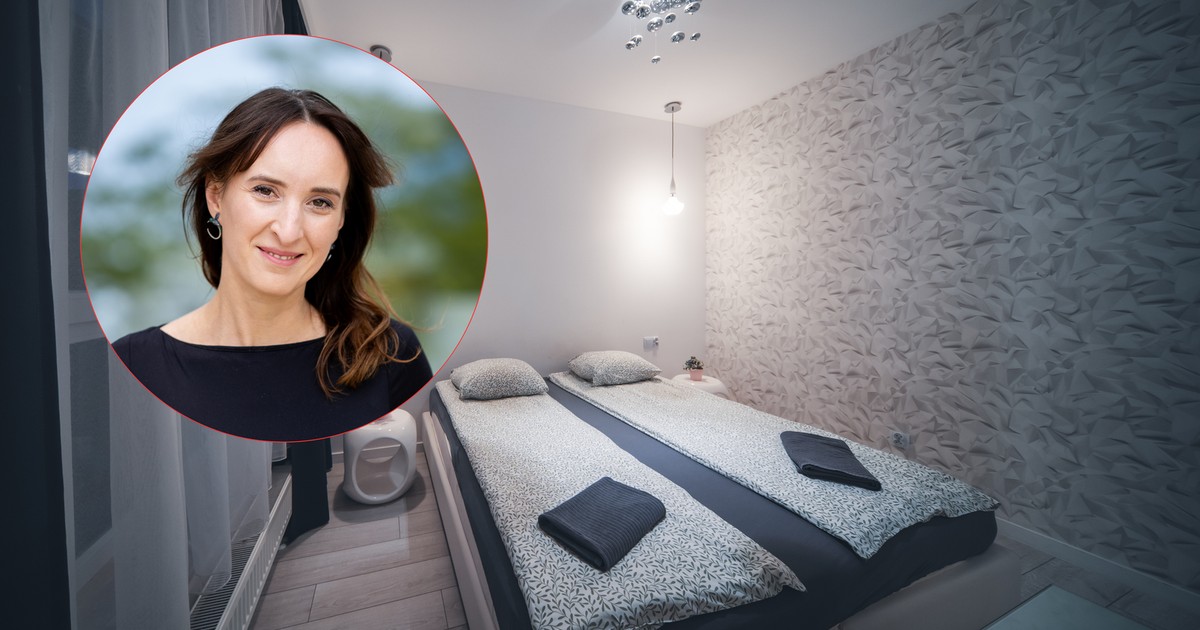
The thesis that often recurs in the public debate is that operators of apartments for days or weeks are opposed to any regulations. According to Ewa Wielgórska, president of the board of Fairy Flats, this is one of the most harmful myths surrounding the sector.
Read also: Warsaw, Gdańsk, Kraków and Wrocław: comparison of apartment rental costs
— It is not true that short-term rental management companies do not want regulation. We also live in Polish cities and we care about their harmonious development and respect for the rights of permanent residents – emphasizes the president of Fairy Flats.
However, the expert points out that regulations must be well-thought-out and actually achieve the intended goals. In her opinion, some of the emerging ideas may in practice bring more problems than benefits.
Wielgórska points out that operators like Fairy Flats are mostly non-owners. The premises are owned by private individuals who outsource their services to companies: acquiring tenants, cleaning, maintenance and reservation management.
Importantly, owners' motivation is not always higher profits. — After deducting all costs, the income from short-term rental is on average only about 30%. higher than from long-term rental – says the head of Fairy Flats.
In her opinion, this is the key factor fear of restrictive regulations protecting tenants. The owners are afraid of losing control over the premises for many years and potential damage. Additionally, the long-term market is becoming more and more competitive, and in many large cities rates are falling.
— Apartments for rent have been on the market for a long time, but they are often not available to people perceived as “risky”, e.g. single parents – notes Wielgórska.
Short-term rental between a hotel and an apartment
According to the expert Today, short-term rental serves a specific social function. It is not a copy of a hotel, but a solution for mobile people: project workers, expats, families moving or people needing temporary accommodation..
More and more tenants do not look for apartments on classic advertising portals, but prefer them flexible contracts and shorter staysoften using platforms such as Airbnb.
Fairy Flats data shows that outside the tourist season in Warsaw, the average length of stay in such establishments is approximately 10 days, and a large number of guests come for several weeks or months.
Operators are not interested in servicing the so-called party tourism. — Problem-generating guests are rare, but they build a bad reputation for the entire industry. Regulations should primarily target dishonest people causing destruction and disturbances, emphasizes Wielgórska.
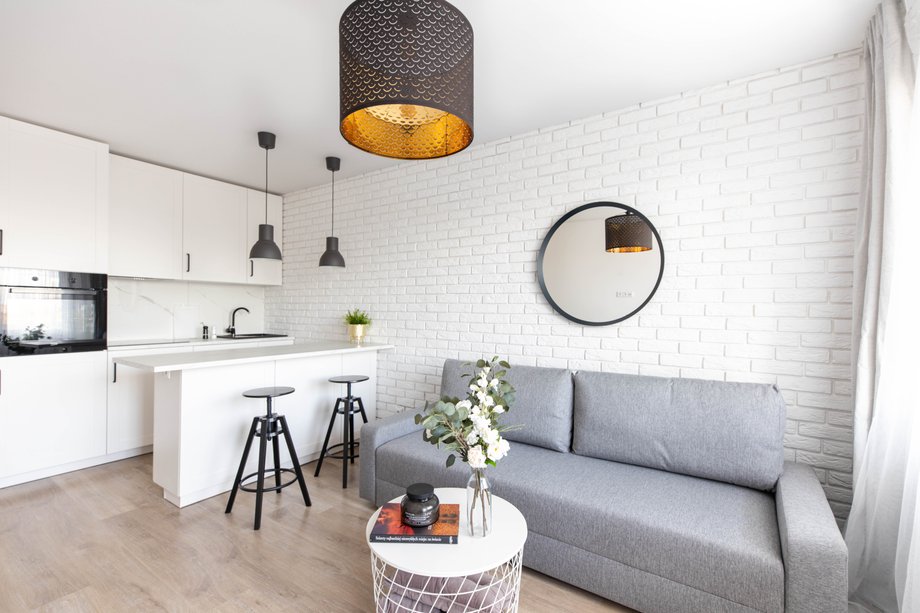
Operators are not interested in servicing the so-called party tourism
|
Patricia May Photography / Shutterstock
See also: Do you want an apartment without your own contribution? We checked where it is still possible [ANALIZA]
Powers of communities or competences of municipalities?
One of the most controversial ideas is giving housing communities the right to decide whether short-term rentals are allowed in a given building. According to the president of Fairy Flats it is a solution that threatens chaos.
In buildings where there are already many such premises, the majority of votes can be obtained by owners interested in maintaining this model, even if permanent residents are opposed. What's more, Community decisions interfering with the use of premises may lead to court disputes.
Wielgórska reminds that The Supreme Court pointed out that communities cannot authoritatively shape the sphere of exercising ownership rights to a separate premises.
An additional problem is the fact that Various types of service activities have been operating in residential buildings for years: medical offices, law firms, foundations and offices, often serving dozens of people a day. Regulations based solely on community decisions would also affect these entities.
According to the expert, this is a much better direction entrusting regulation to local governments. The project of the Ministry of Sport and Tourism provides for the possibility for municipalities to designate zones in which short-term rental would be prohibited or permitted under certain conditions.
— Municipalities know local conditions best and can balance the interests of residents, tourism and property owners, emphasizes Wielgórska.
Registry, entrepreneur and fire safety
The president of Fairy Flats positively assesses the fact that The ministerial project adapts Polish law to the EU directive and introduces a central register of facilities. An important change is also the unequivocal decision that short-term rental is a business activitywhich means the obligation to keep accounts and pay contributions.
They are also an important element fire safety standards. In the expert's opinion, they should be related to the intensity of use of the premises, and not to arbitrary limits on the number of apartments in the building or the height of the premises.
— Different requirements should apply to an apartment for four people, and different requirements to a premises with an area of 40 square meters arranged like a mini-hostel for 20 people – he points out.
The list of industry demands also includes: strengthening the position of operators and owners against dishonest tenantsamong others through guest registers, “blacklists” or the possibility of effectively seeking compensation.
Wielgórska summarizes that ordering the market is in the interest of all parties. — Sensible regulations can reduce pathologies, increase safety and ensure stable development of this segment. Legal chaos harms both residents and honest entrepreneurs – he emphasizes.
For the short-term rental industry, what is at stake today is not only the future of the business model, but also public trust. And this, as experience shows, is difficult to rebuild without clear and fair rules.


