The Golden Rule of a Famous Psychiatrist: Under What Conditions He Lets His Children on the Internet. What does he think about the ban proposed by Raed Arafat?

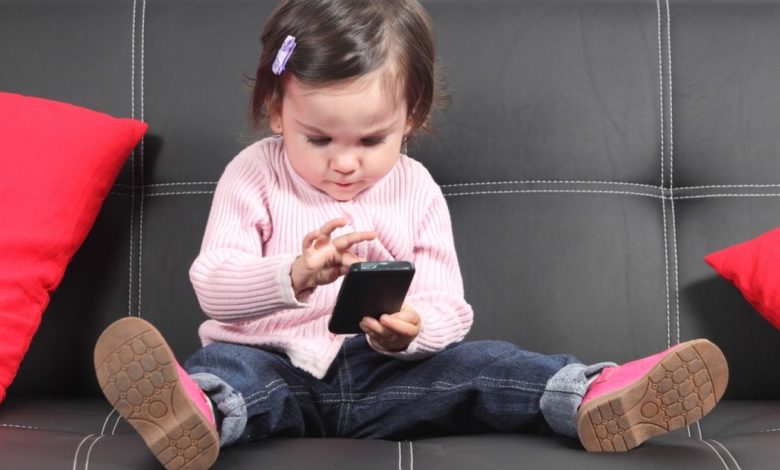
Psychiatrist Gabriel Diaconu comments on the proposal put forward by the head of the DSU, Raed Arafat, regarding the limitation of minors' access to social networks. He admits that he allows his children to access the Internet under certain conditions.
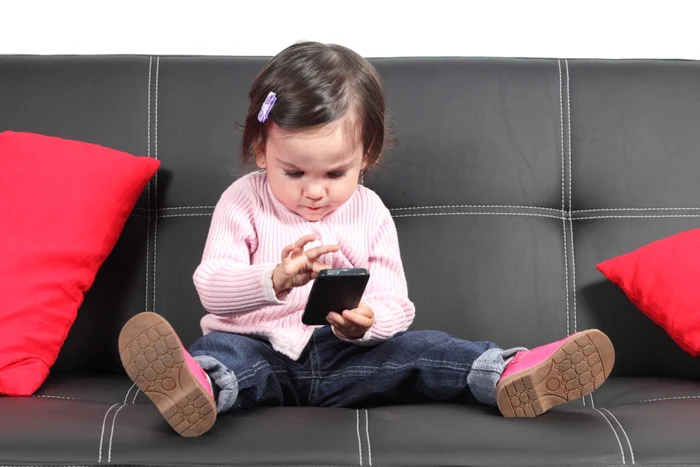
PHOTO Shutterstock
“I have seen, like others, Dr. Raed Arafat's call for restricting children's access to certain technologies such as social media. His argument is correct, and very strong. Nowadays the Internet is full of content that is deeply misleading to the user. Those rules of ethical conduct, of civilized behavior when people communicate using technology, that > that the people who made the > communication hoped for 30 years ago. They have turned into > that are anything but > not. I saw the power of disinformation both during the COVID pandemic, but also after the start of the war in Ukraine.
The same tools we use for entertainment have become weapons of mass manipulation. They became vectors of incitement, by forming an opinion part of the great wave of propaganda. Whoever masters online communication on a certain topic today has a leverage that cannot be neglected. It's an arena without gloves, without a referee most of the time, and without morality. And to make things even more complicated, the Internet and the darkweb are virtual roads for drug, weapons, live meat carriers. The distance between the criminal and the victim has never been closer, as it is today. And children, as a demographic segment, began to be the preferred target more and more often in the last decade. This is because the entire behavior > of people has come to be influenced by various >, such as ecology >, writes psychiatrist Gabriel Diaconu on Facebook.
According to him, Pandora's box is already open. Beyond the question of whether Romanian society wants to limit the access of minors to social networks, he wonders if we can. He notes that the first ones who should know better are the parents, in the context in which they are the ones who buy the technology for the children.
“Realistically speaking, and if you limit access to teenagers or introduce authentication keys, the fact is that at a young age, or very young, the child is accessing questionable content directly from the parent's terminal. Let's say you criminalize the behavior, let's say – hypothetically – you sanction the parent who gives the phone to the kindergarten child to watch things on YouTube that they should not watch, or to play games that are not for their age Is it enough > to change the parent's behavior?“completes the psychiatrist.
They need to live their age, their childhood
The psychiatrist also points out that, “children, in order to learn, need to train their brains without crutches for critical thinking. The allure of an AI engine's coherence, like the ideal way, like a parent who's always by your side, raises a terrible problem as the human weaves his mind, as a young man, with the machine.”
He states that he supervises his children when giving them access to technology. Because, “in the meantime, they need to live their age, their childhood, play games, form strong real-life social bonds with other kids, have friends, have real-life interests, play sports, open books to read. Read them.”
Gabriel Diaconu's clarifications come in the context in which Raed Arafat, the head of the Department for Emergency Situations, comes up with a proposal already adopted by other states, against the background of serious events in which children were involved. The official argues that limiting children and teenagers' access to social media should be treated as a measure to protect mental health, not as a debate about censorship.