In winter, the interiors of Swedish churches are illuminated by the warm glow of candles. They are lit by believers and tourists who want to honor the memory of their loved ones. It is a moment of respite for them from the everyday hustle and bustle. Until recently, the silence conducive to contemplation was disturbed by the sound of coins being thrown into a metal box. Donations for each candle went to her. Today this happens less and less often.
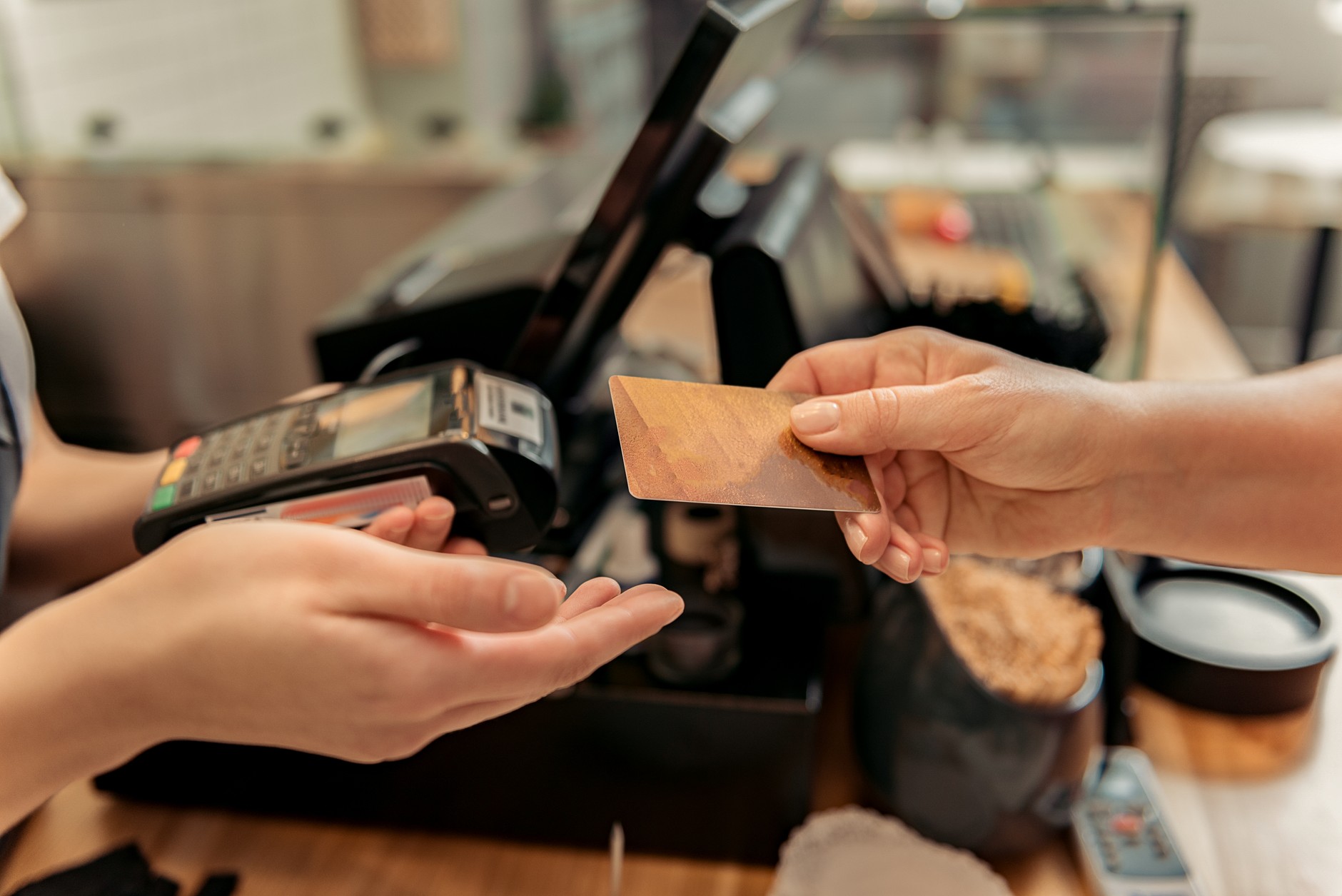
The candles remained, but the donation box was replaced by a QR code. Instead of reaching into their wallets, people lighting candles donate a few kroner to the church using Swish, a popular mobile payment app in Sweden. The sound of coins hitting metal gave way to the quiet confirmation of a transaction completed via smartphone.
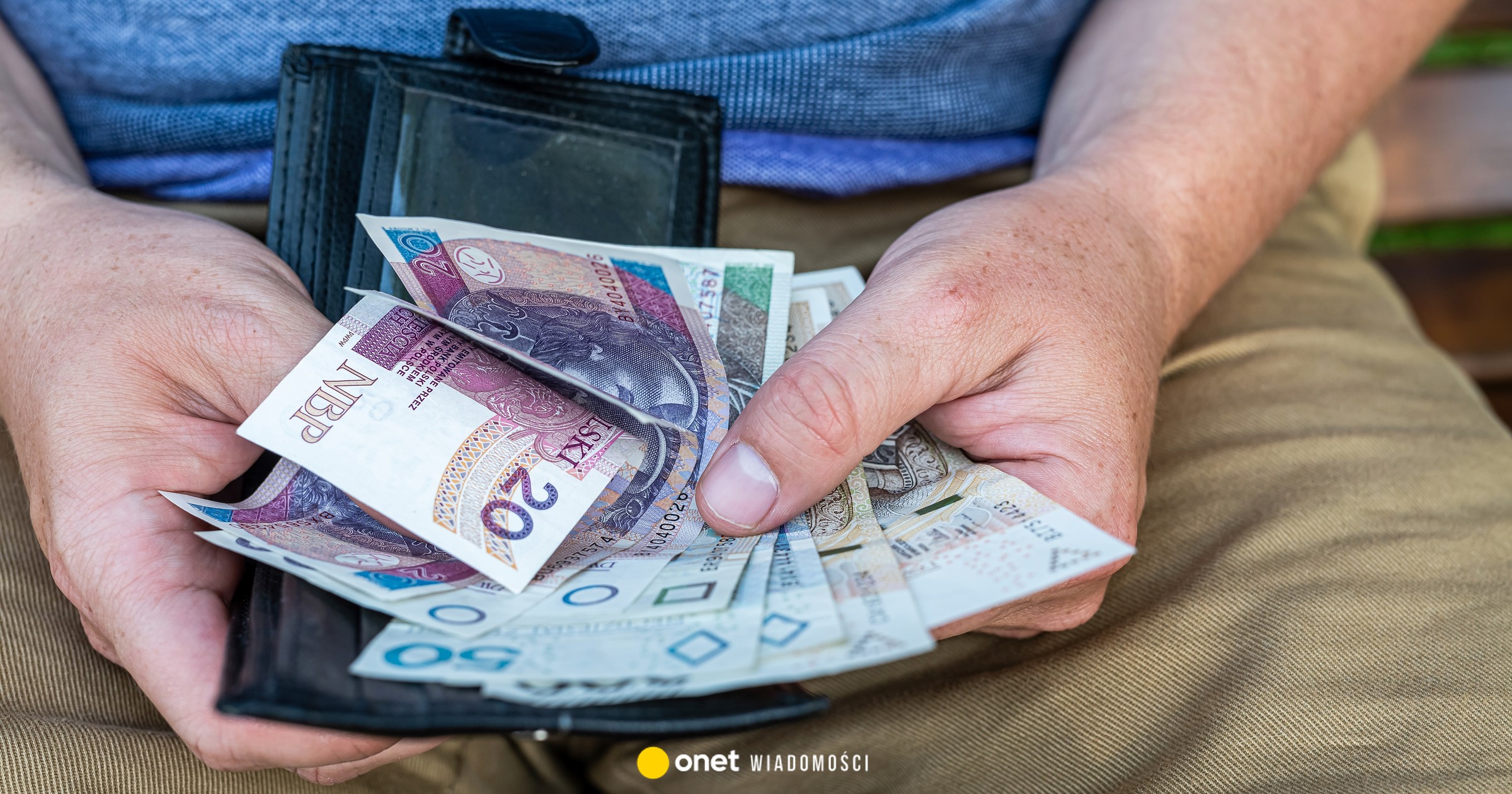
Europe, or at least its northern part, is becoming almost completely cashless. In Norway and Sweden, coins and banknotes are becoming a thing of the past – just like Vikings and discontinued IKEA bedspreads. Today, the Swedes realize about 90 percent. all purchases via digital payments; only half of them reach for cash at least once a month.
While the Japanese have them hidden in their wallets and under their mattresses [lub futonami] paper and metal yen worth 22 percent. their GDP, in Sweden this percentage is below 1%. Other European regions are gradually closing this gap. For some reasons, cash will not be completely replaced by new forms of payment.
Cash still dominates in the south of the continent, where societies are poorer and small companies do not always show Scandinavian scrupulousness in declaring all income to the tax office. For Germans and Austrians, physical money still has symbolic and practical value, guaranteeing a certain level of privacy after experiences under former repressive regimes. However, even there, the importance of cash is gradually decreasing.
The article continues below the video
This is how Europeans pay
Europe today has half as many ATMs per capita as the United States, and their number continues to decline. In Denmark, banks hold so little cash that robberies are simply no longer profitable.
Until recently, electronic transfers between accounts were considered a sign of modernity. Politicians have been promoting digital payments for years, hoping to reduce the gray zone and fight money laundering more effectively. For example, Greece forced businesses – including restaurateurs and taxi drivers – to accept cashless payments and issue receipts [choć terminal w tawernie bywa niesprawny “akurat” w chwili przynoszenia rachunku]. The European Union, in turn, introduced limits on cash circulation, obliging member states to ban the use of banknotes for large business transactions. In 2019, the European Central Bank stopped issuing euro 500 banknotes (approx. PLN 2,110). They were so rarely used and so often associated with illegal transactions that they earned the nickname “bin Laden”.
Some protested, especially representatives of the populist right. They have long criticized digital payments as a concession to banks profiting from every card use. According to them, cash is a form of “printed freedom”. However, consumers voted with their wallets.
READ ALSO: The seller cannot refuse to accept cash. There are three exceptions
Across the euro zone, 79% of cash was used. direct transactions in 2016, but in 2024 only 52%. [a jej udział w wartości płatności był jeszcze mniejszy, ponieważ przy większych kwotach klienci częściej wybierają karty]. Cafe owners realized they could grow their business more efficiently by allowing customers to pay with bank cards instead of metal coins.
Especially after the COVID-19 pandemic, cash payments became so rare in many places that it was no longer profitable to accept them. More and more stores put up signs saying “we don't accept cash”. Throughout Europe, 12 percent of all businesses flatly refused to accept cash in 2024, compared to just 4%. three years earlier. In some countries this percentage is higher. More than a third of cinemas in the Netherlands no longer accept banknotes and coins. Cash seemed doomed to failure: fewer and fewer people were withdrawing euros as fewer and fewer shops accepted them, and so on.
However, authorities are now beginning to believe that electronic money may be too convenient. If they do not seek a return to cash, they at least want to ensure that it remains a common means of payment. In 2021, a ruling by the EU's highest court confirmed that paper money should be accepted in principle. To dispel any doubts, in December, ministers from the 27 EU Member States reiterated their intention to introduce a ban on businesses refusing to accept banknotes and coins. According to the planned act, stores and restaurants will still be able to state that they prefer digital payments, but at the same time they will be obliged to accept cash.
Change you can believe in
Why this apparent shift towards cash? One concern is that a significant minority remains reluctant to use digital technologies. Modern applications and PIN-protected cards are great for young people and all those who spend most of their time online. However, for middle-aged people they are at best bearable. For many seniors, using bank cards and applications can be downright frustrating. Some poorer people, on the other hand, have difficulties opening a bank account.
Card paymentYakobchukOlena/Getty Images
More recent concerns revolve around the resilience of payment systems. Yes, they are convenient when everything is working smoothly, but transferring money requires access to electricity and an Internet connection. Spaniards who experienced nationwide power outages last spring were unable to buy food and other essentials. There are also external threats. Critics point out that the growing dominance of digital payments makes Europe dependent on companies like Visa and MasterCard – American corporations whose owners are subject to unpredictable political pressures. In response, the European Central Bank is considering introducing a “digital euro”, although the implementation of this project will take years.
In the Baltic and Scandinavian countries, where particular attention is paid to the risk of Russian sabotage, digital payment systems are now designed to function even in the event of power outages. Still, when it comes to crisis resilience, there's nothing like cash. Swedes have long been advised to keep enough banknotes and coins at home to survive a week – and the European Union is now making similar recommendations. After years of domination by cards and contactless payments, Europe is discovering that in the digital world it is worth keeping a place for cash.
I’m Ashley Davis as an editor, I’m committed to upholding the highest standards of integrity and accuracy in every piece we publish. My work is driven by curiosity, a passion for truth, and a belief that journalism plays a crucial role in shaping public discourse. I strive to tell stories that not only inform but also inspire action and conversation.