Maria Tsiptsiura, Onet: We have been closely following the news about peace negotiations in Ukraine throughout the week. How do you assess this situation? Can you say that we have moved forward?
Volodymyr Fesenko: A new stage has begun in the negotiation process, which is clearly different from the previous one. Negotiations have become more practical. This is evidenced by the fact that for the first time they were held in a trilateral format – with the participation of the US as a mediator, but also with the direct participation of Ukraine and Russia. Previously, the Americans conducted negotiations separately with Kiev and with Moscow. This added time and created problems. I would call it the dead phone effect.
I recall the situation with the energy truce that was agreed and announced publicly in March last year. It didn't work because one thing was agreed with the Russians and another with the Ukrainians. Additionally, nothing was written down on paper. These were not official agreements and everything quickly fell apart. That's why direct, official negotiations matter.
High-ranking military officials from three countries are participating. The Russian delegation was headed by the head of Russian military intelligence, Admiral Igor Kostyukov. I understand that this was specially done for Kyrylo Budanov [szef Kancelarii Prezydenta Ukrainy]but it also proves that negotiations are taken seriously in Moscow.
According to some reports, during these negotiations not only general political issues were discussed – although they were also discussed, because the Donbas topic is in a sense the key and most problematic – but also technical issues. I mean ceasefire, separation of armed forces, withdrawal of troops, ceasefire control and so on.
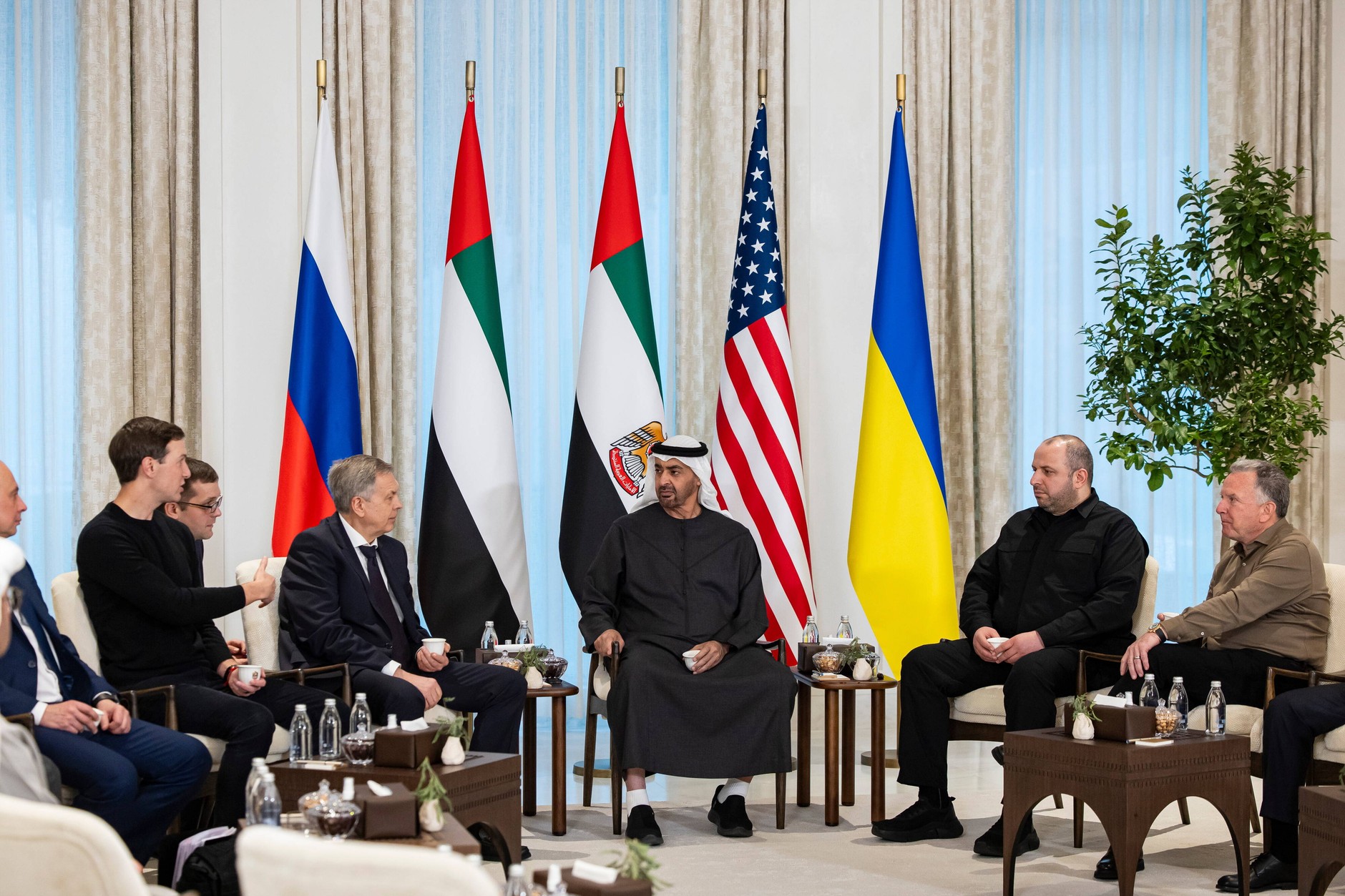
Negotiations between the US, Ukraine and Russia in Abu Dhabi, January 23, 2026.UAE Presidential Court /HANDOUT HANDOUT / PAP
This is very useful and necessary in the long term, because without it it is impossible to end hostilities. The sooner we start reaching an agreement on these matters, the better. There are certainly positive trends here.
“This causes an impasse.” Expert on difficulties during negotiations
Why is it too early to talk about a quick end to the war?
The key issues remain the same. First of all, it is a territorial issue, because Russia demands the withdrawal of Ukrainian troops from Donbas. The Russians will not change their position, and for Ukraine this is unacceptable. This actually causes an impasse in the negotiations. Until this issue is postponed or one of the parties changes its position, we cannot talk about specific prospects. Negotiations may reach an impasse again.
Why did Russia change the composition of the delegation and it is no longer headed by Vladimir Medinsky, the former Minister of Culture, but by high-ranking military officials? Why did Moscow start taking negotiations more seriously?
They want to show Donald Trump their readiness to reach an agreement. Moreover, they treat Budanov seriously. They understand that you need to conduct real, not fake, negotiations with him. These two factors are the most important. Moscow now needs to show some constructiveness and show that it is ready to reach an agreement. However, this does not mean that it will happen.
The article continues below the video
Medinsky's earlier participation was a sign that the Russians treated the negotiations solely in a propaganda sense: talks about history, the “root causes of the war”, general political issues, and not about how to end the conflict.
What do you think about the information that Russia allegedly issued an order to stop attacks on Kiev and the surrounding area? Could this be part of a demonstration of “loyalty”?
I approach this information very carefully. We'll see what the next few days will bring. It depends on whether there will be attacks on Kiev or not – then we will assess whether this information is true.
It may be gossip, probing for reactions, or maybe even a deliberate information and psychological operation. The Russians might want us to calm down, and then the attack would happen – and the psychological effect would be much stronger.
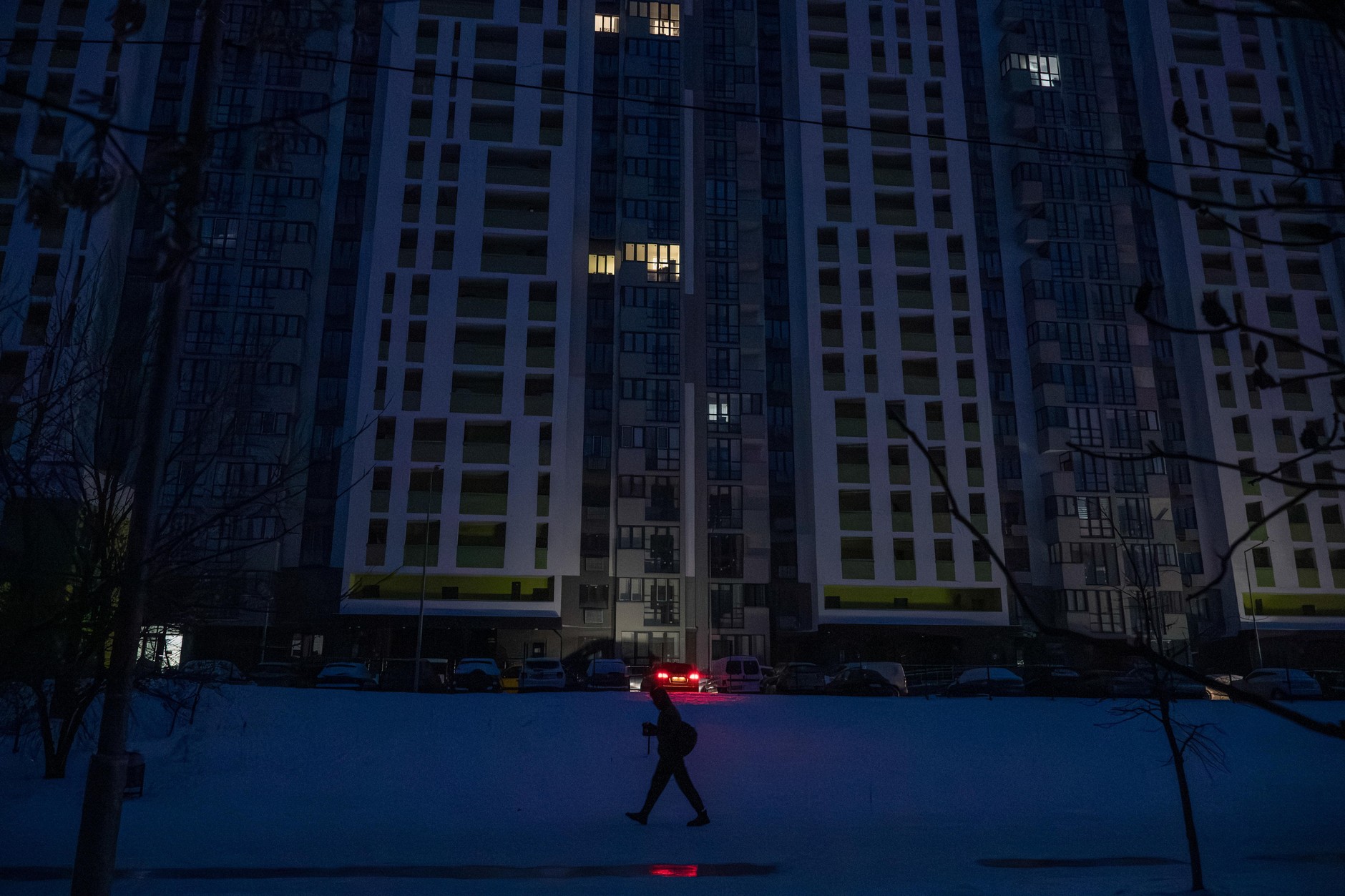
Power outages in KievVladyslav Musiienko / PAP
However, I do not rule out another possibility, but this is just my guess. The Americans could have warned the Russians that further attacks on the Ukrainian capital and energy facilities, especially in the context of a new wave of frost, could ruin the negotiations. Moscow may heed this advice for Donald Trump's sake.
Attack on critical infrastructure. “This is an attempt to demonstrate victory”
Russians have been waiting for such frosts to come to Ukraine for a long time.
I don't think they were waiting for it. Even at temperatures of 0 degrees Celsius in winter, attacks on the energy sector and its shutdown are already a humanitarian disaster. Perhaps not as critical as it is now because of the frost, but it's still problematic. I think it's something else. They were able to start this operation because now there is Trump.
Putin believes that Trump is indifferent to international law and Europe is weak. Attacks on the Ukrainian energy sector and provoking a humanitarian disaster may be a demonstration of Russia's victory. They claim that the Kremlin will win the war, so Ukraine must surrender.
Can we say that this winter's energy terror has had the desired effect on Russia?
The Kremlin expected various effects, which did not fully work. They were counting on panic, a mass departure of people from Kiev, a new wave of migration. That didn't happen. Some people left, but there was no great panic. They also hoped to cause a wave of protests so that people would demand that the authorities agree to the Russians' demands. But here too the Kremlin did not achieve its intended goal. There were some protests, but they were not about agreeing to Moscow's demands.
People took to the streets demanding faster repairs and restoration of electricity supplies. Unfortunately, this situation causes huge social problems. This is a blow to the economy, military production and enterprises. Without energy, lighting in homes and industry cannot function. And the effect expected by Russia has, unfortunately, been at least partially achieved. This leads to negative consequences in the arms industry.
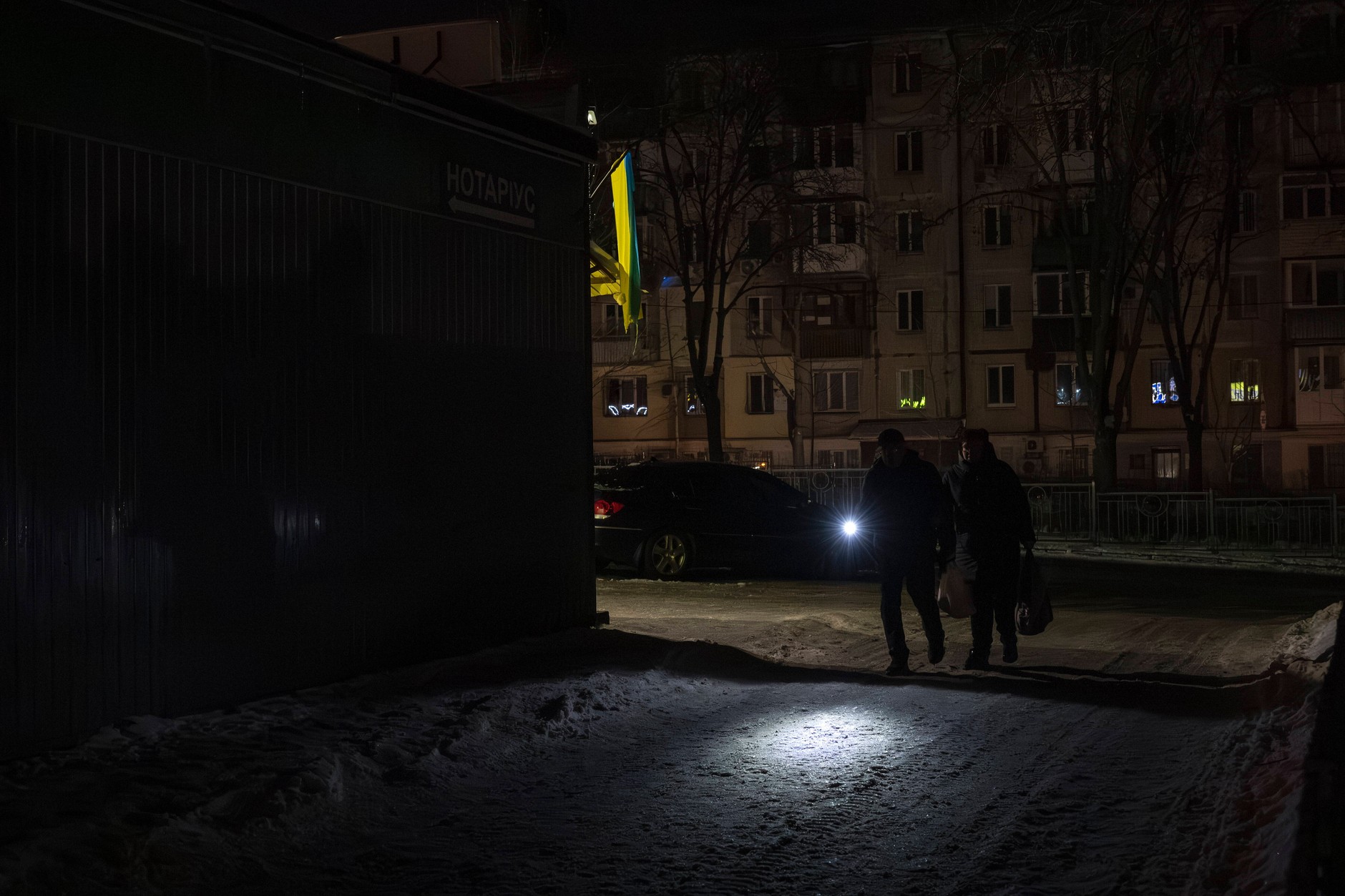
Problems with energy supplies in KievMaxim Marusenko / PAP
There is also another aspect – Russia is trying to show its “advantage”. The thesis currently popular in local social media is: “one more blow and Ukraine won't be able to withstand it.” However, the Russians cannot destroy more than half of the production capacity due to the risk of a nuclear disaster.
Yes, large cities may find themselves in a difficult situation in winter, population redistribution is possible, but this does not mean the end of resistance. And it certainly doesn't mean that Russia won the war. This will not lead to the final collapse of Ukraine.
“I don't see the point.” Ukrainian political scientist about the Putin-Zelensky meeting
What do you think about the idea of a possible meeting between Zelensky and Putin?
I don't see any point in this meeting. It's all a psychological, informational and political game. The leaders are hitting each other about this meeting. This is a Trump game. Zelensky says: “I'm ready for the meeting, or are you a coward”? Moscow replies: “if you are so brave, come to Moscow.” Score 0-0.
Vladimir Putin (illustrative photo)Red skull/Shutterstock, EPA/MIKHAIL SINITSYN/SPUTNIK/KREMLIN POOL / PAP
Even if you imagine Putin agreeing to meet on neutral territory, so what? I don't see any real result. He will demand concessions, especially regarding Donbas, which is why this meeting makes no sense.
For Americans, this idea may look like a public sign of “progress” in the talks, but it will not result in any real agreements.
So the negotiations and the war will continue in parallel?
Unfortunately yes. The negotiations will take place in the shadow of war. It all depends on how persistent the Americans will be – not in putting pressure on us, but on Russia.
If the negotiations concern only Donbas, there will be no progress. And if the participants start to agree on other issues, formalize agreements or talk about a gradual ceasefire, then there will be a window of opportunity.
I’m Ashley Davis as an editor, I’m committed to upholding the highest standards of integrity and accuracy in every piece we publish. My work is driven by curiosity, a passion for truth, and a belief that journalism plays a crucial role in shaping public discourse. I strive to tell stories that not only inform but also inspire action and conversation.