2026-01-27 15:34, updated 2026-01-27 16:03
publication
2026-01-27 15:34
update
2026-01-27 16:03
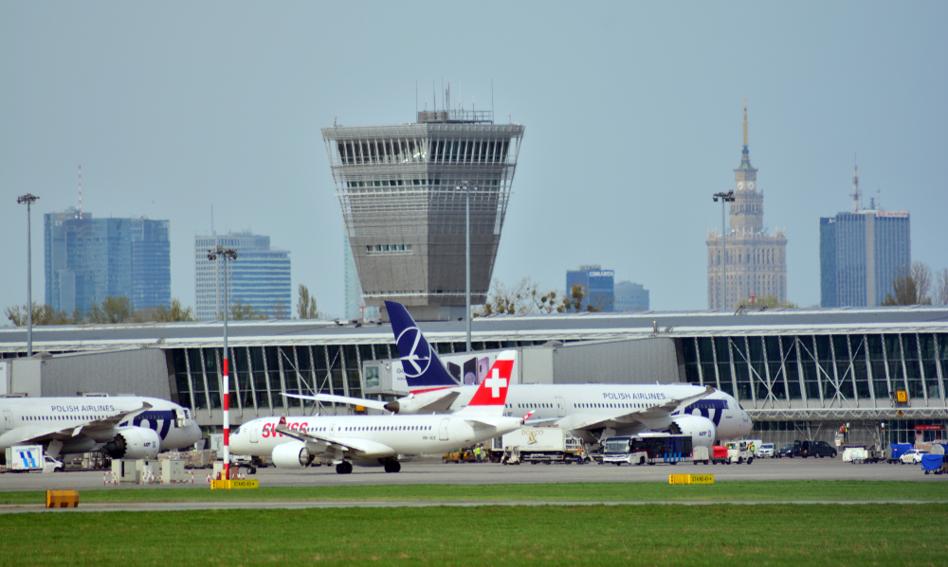
The Council of Ministers adopted a draft amendment to the Aviation Law and certain other acts, which concerns, among others, increasing the share of sustainable fuels in aviation – the Chancellery of the Prime Minister said in a press release. The project was submitted by the Ministry of Infrastructure.
“The project introduces into Polish law mechanisms ensuring the implementation of EU requirements regarding the mandatory share of sustainable aviation fuels (SAF), which are created from alternative sources such as waste and biological residues, biomass or renewable hydrogen. There are currently no national regulations to enforce ReFuelEU Aviation. From January 1, 2025, aviation fuels refueled at selected airports in the EU must contain a minimum share of SAF (2% in 2025-2029), which will gradually increase in the following years (up to 70% in 2050),” the release said.
It was added that the main goal is to increase the share of sustainable aviation fuels (SAF) in aviation, reduce carbon dioxide emissions and create clear rules of supervision and responsibility for aviation market participants.
New solutions support climate protection, strengthen the legal security of the aviation market and create conditions for the development of modern technologies and new investments in Poland – it was emphasized.
MI project, among others precisely defines: who is the supplier of aviation fuels, obligations of aviation fuel suppliers, obligations of aircraft operators, obligations of airport managers.
Division of roles: Who will be inspected by CAA and who by ERO?
Uniform reporting rules are also to be introduced, including: reporting the amount of SAF fuel used.
The President of the Civil Aviation Authority (ULC) will supervise airlines and airports, consider applications for temporary exemptions from the obligation to use SAF and will impose penalties in the event of violations.
In turn, the president of the Energy Regulatory Office (URE) will supervise aviation fuel suppliers.
Financial penalties will fuel new technologies
“The project provides for financial penalties for failure to fulfill obligations (e.g. lack of appropriate participation of the SAF or lack of reports). The proceeds from the penalties will be allocated to the development of the production of sustainable aviation fuels. The funds will go, among others, to research, innovation and investments in new SAF technologies,” it was mentioned.
In principle, the Act is to enter into force 14 days from the date of publication in the Journal of Laws, except for the provisions on penalties and certain obligations of aviation fuel suppliers, which will enter into force on January 1, 2027. (PAP Biznes)
jz/ ana/