The Spring Festival, which falls on February 17 this year, marks the beginning of the Chinese Lunar New Year and the inauguration of the Year of the Horse. Traditionally, it is a time for family meetings, cleaning the house and paying off debts. All this to enter the new year with a clean slate.
One thing is certain: President Xi Jinping's decision to dismiss two high-ranking officers of the Chinese Communist Party in the Central Military Commission (CMC) had nothing to do with the holiday calendar. When he removed the first vice chairman of the Central Military Commission, General Zhang Youxia, and the Chief of the General Staff of the Joint Staff Department, General Liu Zhenli, it was not an ordinary “spring cleaning”.
In the case of China's purges, however, the moment in which they take place is crucial. Just like in comedy, timing is everything. So the question is not “what happened?”, but “why now?”.
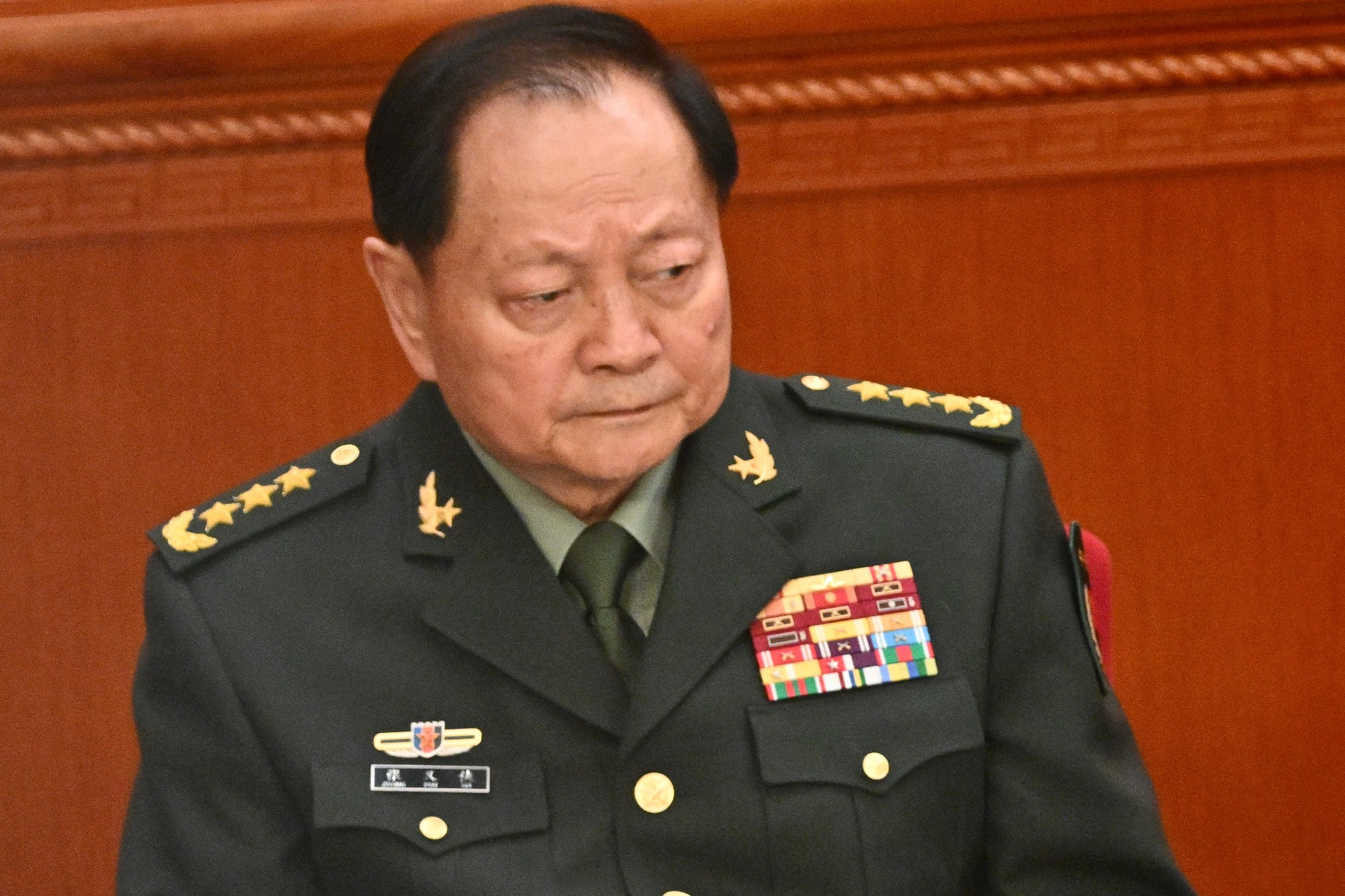
The Central Military Commission, as the name suggests, exercises full control over the armed forces. It is headed by China's leader Xi Jinping, and 75-year-old Zhang was until recently its most important vice-chairman. For years, he was considered an ally and trusted man of Xi.
Gen. Zhang Youxia, Beijing, China, March 4, 2025PEDRO PARDO / AFP / AFP
The Commission also plays a key political role. No one who aspires to be China's de facto leader can come to power without her support. What's more, Xi owes his rise to the top largely to this institution.
Big cleanup or political execution?
This is not the first time Xi has attacked the military. When he took power, the armed forces were seen as a hotbed of corruption. Promotions were not earned by merit, but by money, and the highest-ranking officers made illegal profits from arms contracts.
During his rule, Xi removed key leadership from the navy, air force, paramilitary police, and the missile and nuclear forces, commonly known as the Missile Forces.
Those dismissed included generals, a commander and the Minister of Defense.
The fight against corruption can be a convenient foil for a wide variety of activities – and few believe that it is behind the latest purge.
Xi himself has been accused of political corruption since he abolished the two-term presidential limit and made himself leader for life. The very fact that he refuses to relinquish power sends a mixed signal, to say the least.
Accusations that sound more dangerous
This time, the purge in the army was clearly different from previous patterns.
It is usually easy to recognize that a high-ranking officer has fallen out of favor – he disappears from public life for many months and the media remains silent about him. This time it was different. The resignations occurred suddenly, within just a few days of the first signals.
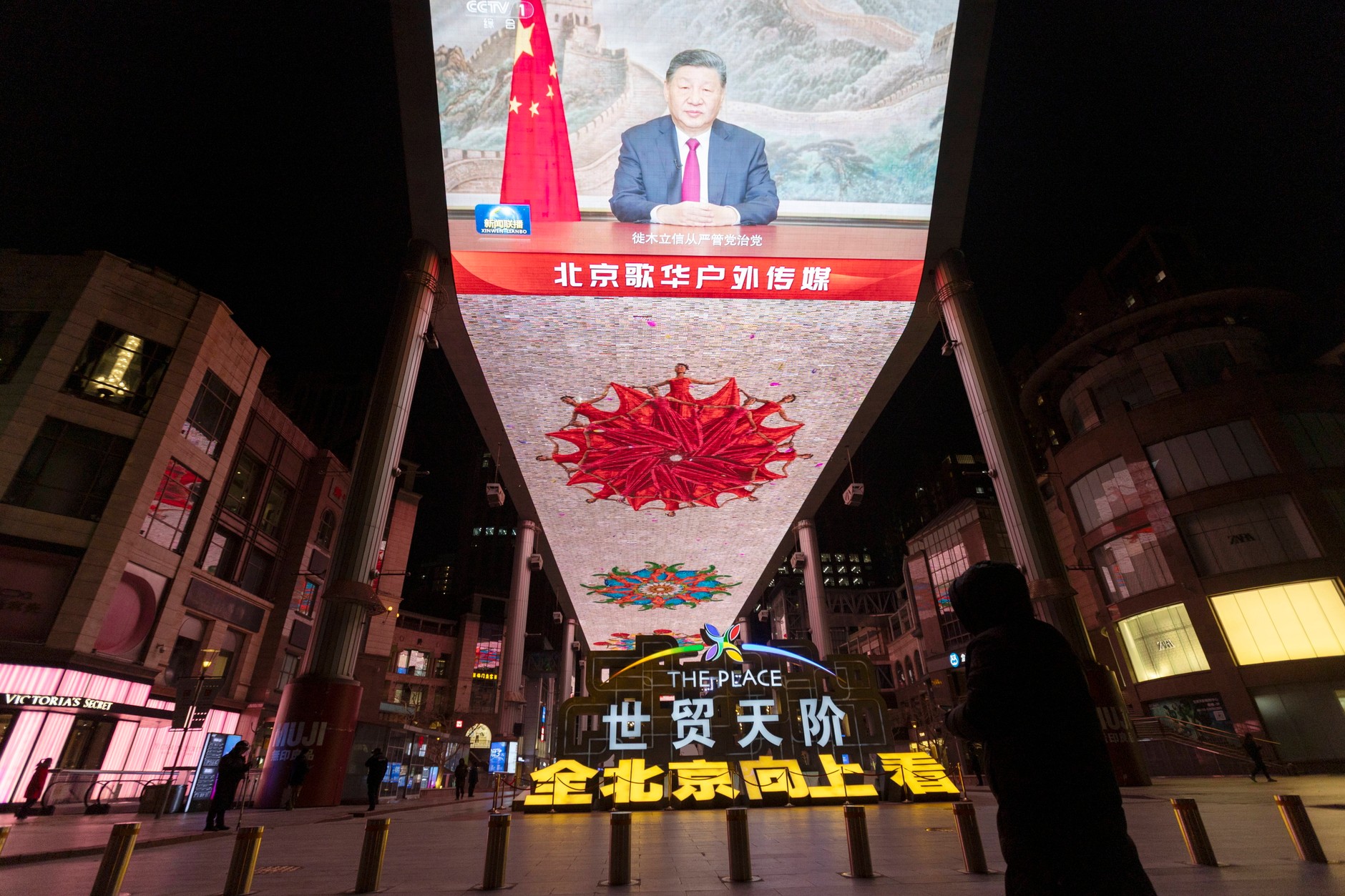
Broadcast of Chinese leader Xi Jinping's New Year's address in Beijing, China, December 31, 2025.Andres Martinez Casares / PAP
The official statement also had a tougher tone than usual. Typically, allegations involve accepting bribes. This time, the party's military newspaper PLA Daily reported that the generals were “seriously fueling political and corruption problems that threaten the party's absolute leadership over the military.”
In Beijing, rumors fly like spring catkins in the wind. According to them, Zhang and Liu were involved in a high-level conspiracy to overthrow Xi or passed nuclear secrets to the United States.
Taiwan almost certainly plays an important role in this puzzle.
Back to the issue of time
Next year is the 100th anniversary of the founding of the Chinese People's Liberation Army. Equally important, US President Donald Trump will sit in the White House.
Authorities in Beijing believe that Trump would not send American troops to defend Taiwan against a Chinese invasion. They look at Ukraine and conclude that the United States will not decide on a direct military confrontation with China in Asia.
The article continues below the video
The younger generals who replace the old guard will owe their promotions to Xi. On the one hand they will feel gratitude, on the other – fear. Many of them were raised in the spirit of the extremely nationalistic “wolf warrior” doctrine, convinced that now was the best moment for China to strike.
Growing nationalism – brutal and ruthless – is one of the most characteristic elements of Xi's rule.
No one knows exactly why Xi decided to make this move now. However, the timing of it suggests that he wants to secure the complete loyalty of the military – both to secure his own power and to at least give the impression that a strike against Taiwan still remains a very real scenario.
I’m Ashley Davis as an editor, I’m committed to upholding the highest standards of integrity and accuracy in every piece we publish. My work is driven by curiosity, a passion for truth, and a belief that journalism plays a crucial role in shaping public discourse. I strive to tell stories that not only inform but also inspire action and conversation.