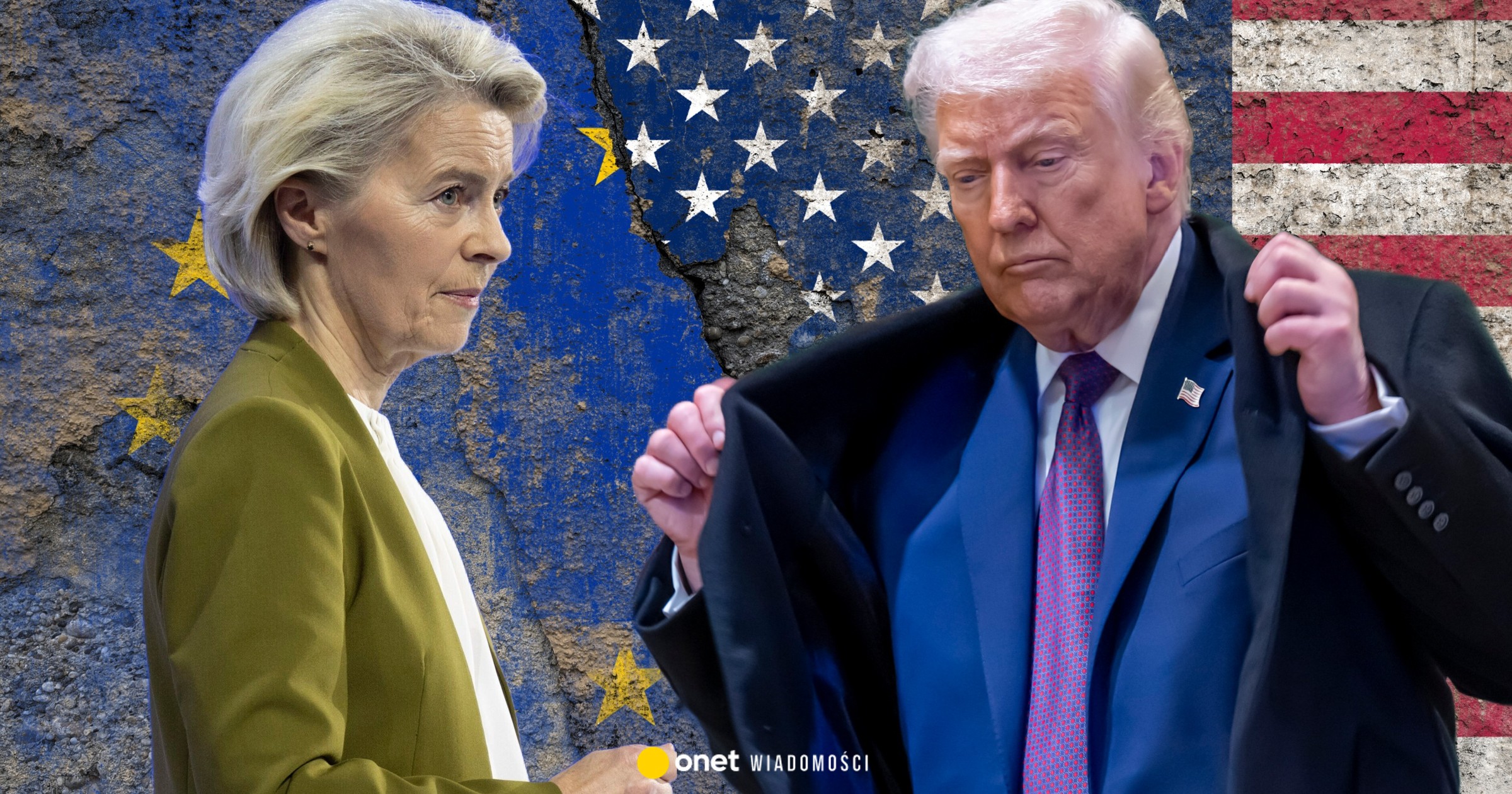
There is no turning back. This was the message from European leaders who gathered in Brussels on Thursday, January 22.
This extraordinary summit – convened in response to Donald Trump's threats to take over Greenland – ultimately turned out to be much less dramatic: the American president withdrew from these announcements just 24 hours later. before.
However, the silent but very clear awareness that Europe had crossed its post-war irreversible boundary was all the more striking.
French President Emmanuel Macron and German Chancellor Friedrich Merz – the two most powerful leaders in the EU who have often been apart of each other recently – spoke with one voice this time. They warned that the crisis in transatlantic relations had pushed the EU into a new, hard reality: one in which Europe must finally focus on independence.
“We know we have to act as an independent Europe,” European Commission President Ursula von der Leyen told reporters after the five-hour meeting.
And although – unlike at many recent EU summits – there were no loud speeches, no disputes, or even decisions to be voted on, the meeting was a signal of a tacit agreement, according to four EU diplomats and one official familiar with the talks: there was a breakthrough. According to them, there has been a clear, historical separation between the old order and the new – between how the West has functioned since World War II and what is yet to come.
According to the interlocutors, the mental shift towards independence has been brewing for years — in fact, since 2017, when Trump first entered the White House. However, his unprecedented threats regarding Greenland sounded an alarm: a sudden warning signal that forced steps that were once unthinkable.
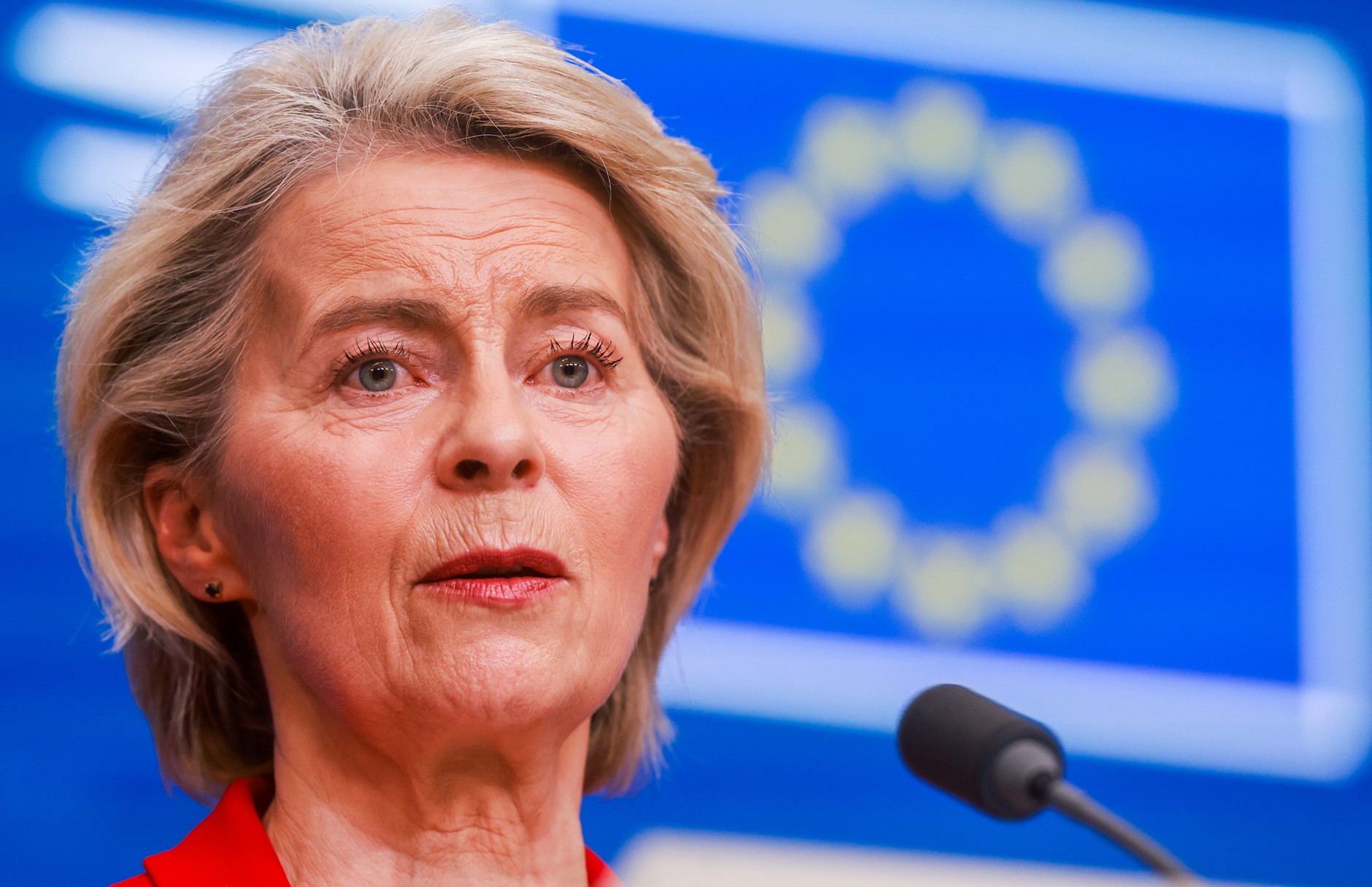
President of the European Commission Ursula von der Leyen during a press conference following the informal meeting of members of the European Council in Brussels, Belgium, 23 January 2026.PAP/EPA/OLIVIER HOSLET / PAP
All people quoted in the article were granted anonymity so that they could speak freely about the summit taking place behind closed doors.
It's a Rubicon moment. It's shock therapy. Europe cannot go back to what it was. Leaders have been saying this for several days
– said one of the EU diplomats from the eastern flank country, who knows the course of the talks.
What exactly the “new Europe” should look like – as usual – is a topic for another conversation.
But there were some clues this week. European leaders' initial response to the Greenland crisis – suspending the EU-US trade agreement, considering sending troops to Greenland, threatening widespread trade retaliation – was a sign of what might come.
“It has to be everything — and all at once.”
Leaders emphasized — first among themselves, then publicly — that this month's swift, coherent response could not be a one-off. This is to become the new standard of EU action – in almost every field.
This cannot just be about energy security or defense. It can't just be economic strength or reducing trade dependence. It has to be everything – all at once
– said one of the diplomats.
One of the most characteristic features of the new European path towards independence is a level of unity that the EU has not been able to achieve for a long time.
The article continues below the video
For the countries of the eastern flank, their location – on the path of expansion of Russia – has for years strengthened an almost religious faith in NATO. This vision included the United States as a reliable pillar of the alliance: the largest army, firm security guarantees for all members and effective deterrence against Moscow. The sense of existential dependence on the US kept these countries close to Washington, which often led to disputes with Western countries, such as France, which had been pushing for the “strategic autonomy” of Europe for years.
Now, however, France is no longer an exception. Even the countries most exposed to Russian pressure are beginning to signal their readiness to support a course towards European independence.
Estonia is a good example. The small Baltic country said last week it was considering sending troops to Greenland as part of a “reconnaissance mission” organized by NATO. In the end, Tallinn didn't send anyone — but the sheer willingness to raise the possibility was significant.
— When Europe is not divided, when we stand together and when we are clear, strong and ready to defend our own interests – then results come, said Danish Prime Minister Mette Frederiksen. — I think we have learned a lot in recent days and weeks.
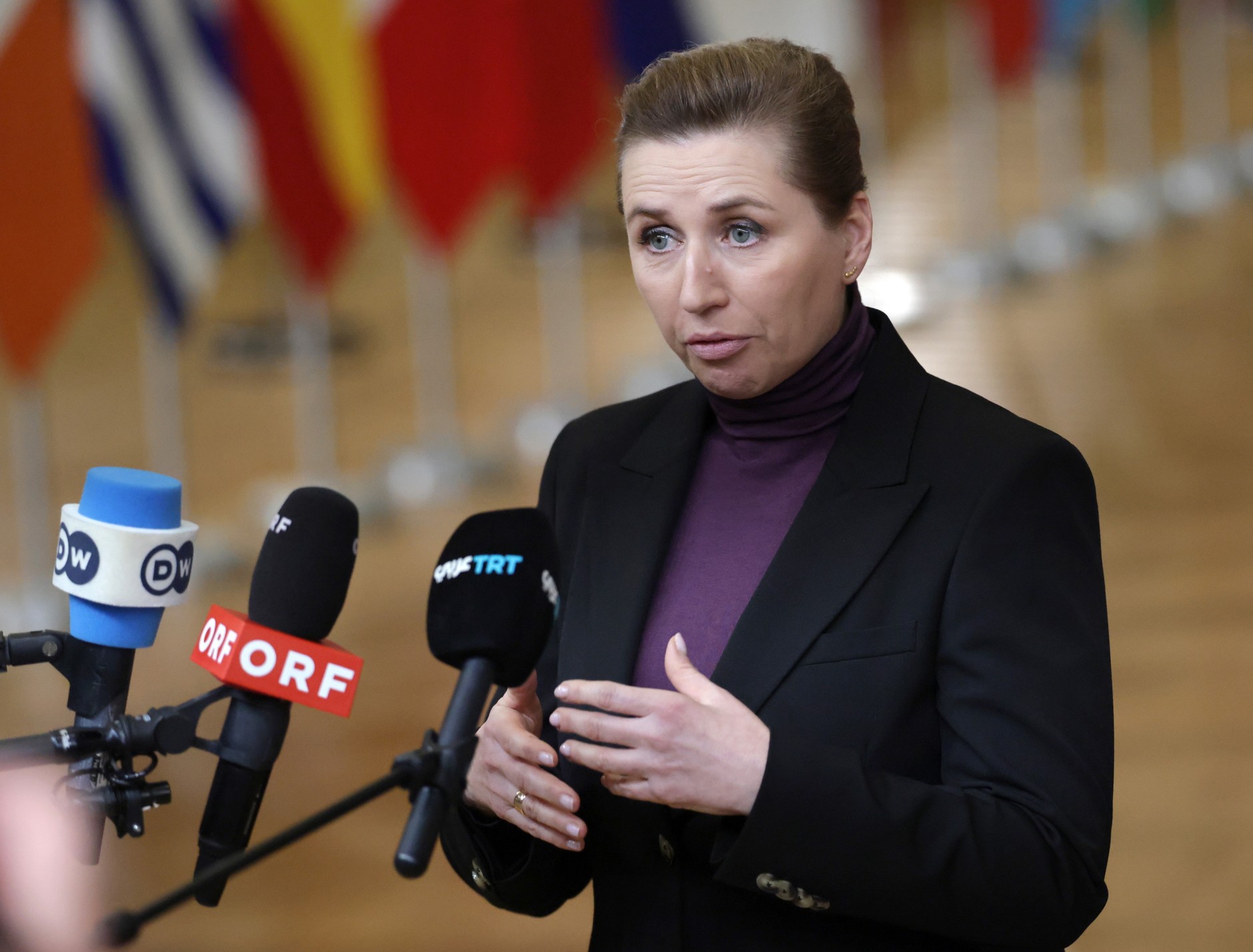
Danish Prime Minister Mette Frederiksen during an informal meeting of members of the European Council in Brussels, Belgium, January 22, 2026.PAP
Poland, considered one of the most loyal allies of the USA, has also gone beyond its previous comfort zone.
In talks about a possible reaction, Prime Minister Donald Tusk signaled openness to the use of the EU instrument for counteracting coercion – a powerful trade tool allowing, among other things, limit investment from pressure countries, diplomats say.
We have always respected and accepted American leadership. But today in politics we need trust and mutual respect between partners, not domination and coercion. It stopped working
– said Tusk.
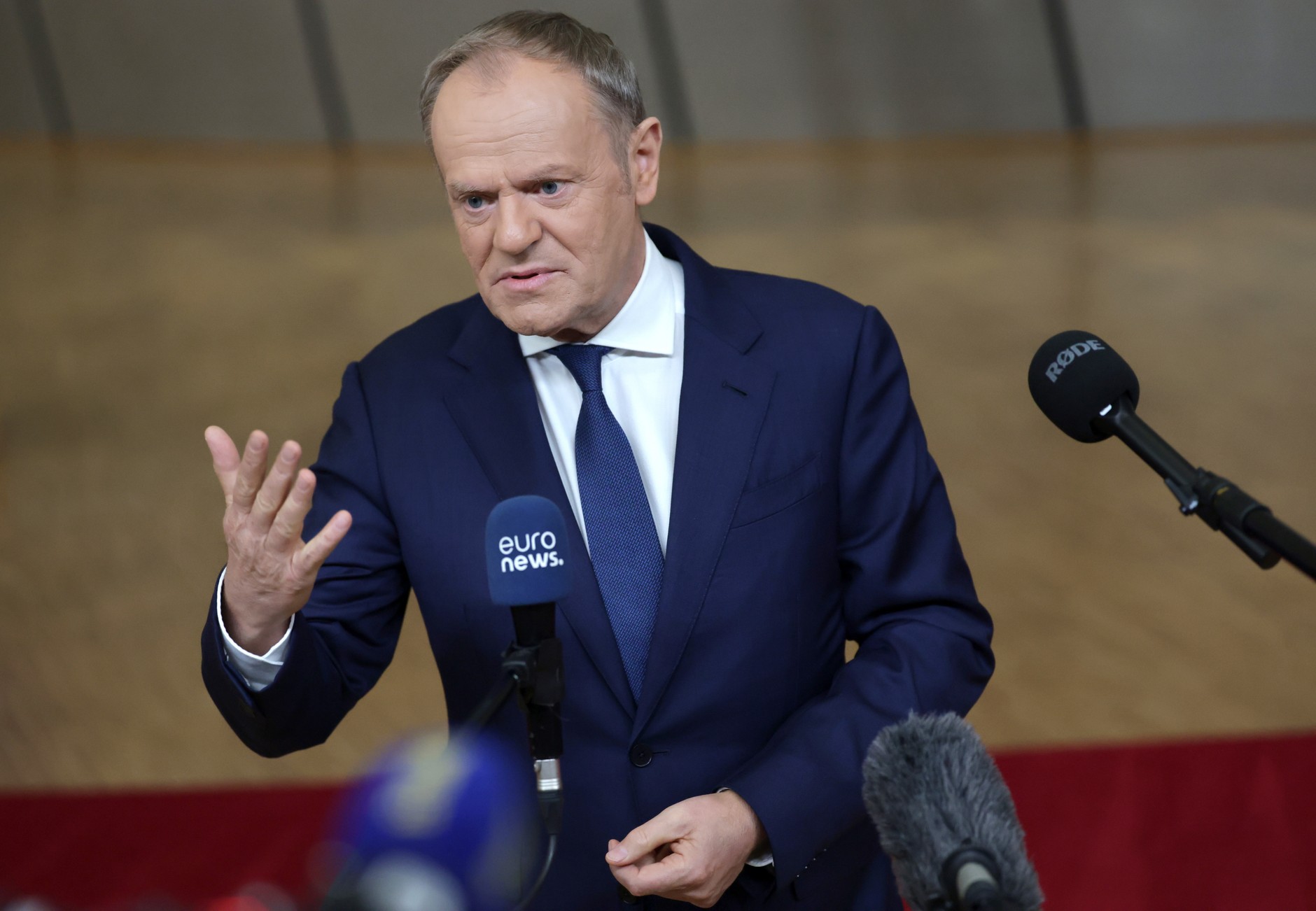
Prime Minister Donald Tusk addresses the media after arriving at an informal meeting of members of the European Council in Brussels, Belgium, January 22, 2026.PAP/EPA/OLIVIER MATTHYS / POOL / PAP
“We have learned this lesson”
A similar sobering is also occurring in northern European countries, traditionally strongly attached to free trade.
Although countries such as Denmark, Sweden and the Netherlands have historically opposed any moves that could harm trade relations with the US, they have also begun to signal their readiness to retaliate against Trump.
This is a new era where we will no longer rely on them. At least for three years while Trump is in the White House. This crisis around Greenland was a test. And we learned this lesson
said a fourth EU diplomat.
— Even Germany, whose political culture for decades was based on faith in the transatlantic relationship, is beginning to question old assumptions. Merz suggested that Berlin could support a tough trade response to the US, he added.
While diplomats and EU officials acknowledged that such signals helped change Trump's stance on tariff threats, they also warned that now would be a time for more difficult decisions.
— We must take control of our own agenda – added the fourth diplomat. — Ukraine, productivity, competitiveness, security, strategic autonomy. The conclusion is not to say “no” to everything.
I’m Ashley Davis as an editor, I’m committed to upholding the highest standards of integrity and accuracy in every piece we publish. My work is driven by curiosity, a passion for truth, and a belief that journalism plays a crucial role in shaping public discourse. I strive to tell stories that not only inform but also inspire action and conversation.