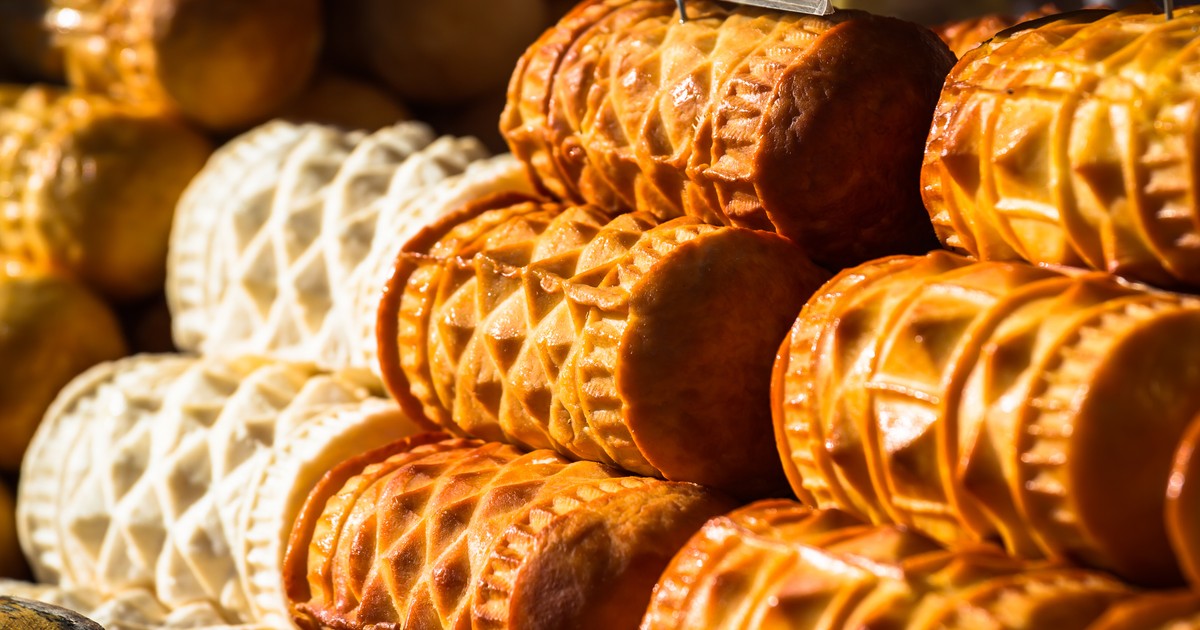
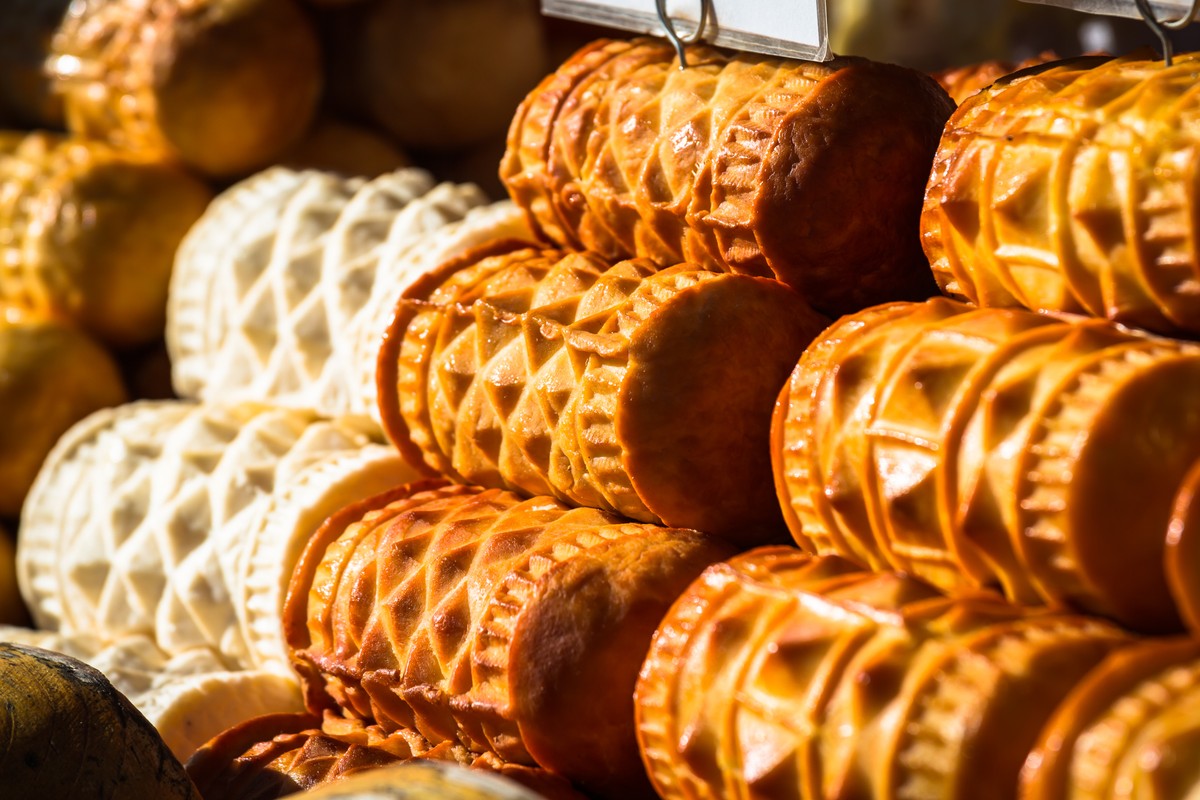
Producers from Podhale criticize the authorities' decision. Oscypek cheese without protection in Mercosur

The EU-Mercosur Agreement, signed on January 17 in Asuncion, Paraguay, aims to facilitate trade between the European Union and South American countries such as Brazil, Argentina, Paraguay and Uruguay. It protected product names to prevent counterfeiting. France, Spain and Italy entered dozens of their specialties, while Poland limited itself to two spirits.
The rest of the article below the video:
Producers from Podhale criticize the authorities' decision, pointing out that the lack of protection for oscypek cheese or the Podhale lamb threatens many years of efforts to preserve the tradition and quality of Polish regional food.
— Both oscypek and other products with geographical indications in Poland should be reserved in this agreement – says Andrzej Gąsienica Makowski from the Mountain Product Society.
The former Tatra starosta notes that if other countries, such as France or Italy, took care of their specialties, Poland should do the same.
Baca Paweł Łojas from Zakopane points out that theoretically, oscypek could be produced in Mercosur countries, where there are much more sheep than in Poland.
Read also: Agreement with Mercosur. This is a historic moment in a controversial case
— We do not maintain the highest standards of oscypek production so that similar products will now be produced in South America – emphasizes Łojas. It also notes that although Polska Wódka and Żubrówka are not included in the EU register of Protected Designations of Origin and Protected Geographical Indications, they are on the protected list in the agreement with Mercosur.
The Ministry of Agriculture and Rural Development reassures Polish producers
The Ministry of Agriculture and Rural Development explains that regional products must meet certain criteria to be protected under the agreement. Their economic importance, export to the Mercosur market and the risk of counterfeiting are crucial. The ministry's spokeswoman, Iwona Pacholska, points out that the seasonal nature of the production of oscypek or bryndza podhalańska and the lack of export to South America minimize the risk of violations. However, it emphasizes that submitting additional products for protection is possible at any time.
Read also: This signature will culminate decades of effort. Who will gain and who will lose from the agreement with Mercosur?
MEP Jagna Marczulajtis-Walczak (KO) also commented on the matter, emphasizing that Poland should take better care of its interests. — The French and Italians submitted long lists of products, even though they opposed the entire agreement. Poland limited itself to two alcoholic beverages, although negotiations were completed in 2019, she noted. The MEP appealed to producers to contact the ministry, declaring support in the process of protecting their products.
Currently, there are 47 Polish products in the EU registers of Protected Designations of Origin, Protected Geographical Indications and Traditional Specialties Guaranteed. These include, among others: Podhale bryndza, oscypek cheese, Krakowski obwarzanek, Podhale lamb and Old Polish hunting sausage.
The agreement signed with Mercosur, although intended to facilitate the flow of goods between Europe and South America, is controversial. Poland, like France, Austria, Ireland and Hungary, voted against its adoption, fearing, among other things, negative impact on domestic producers.