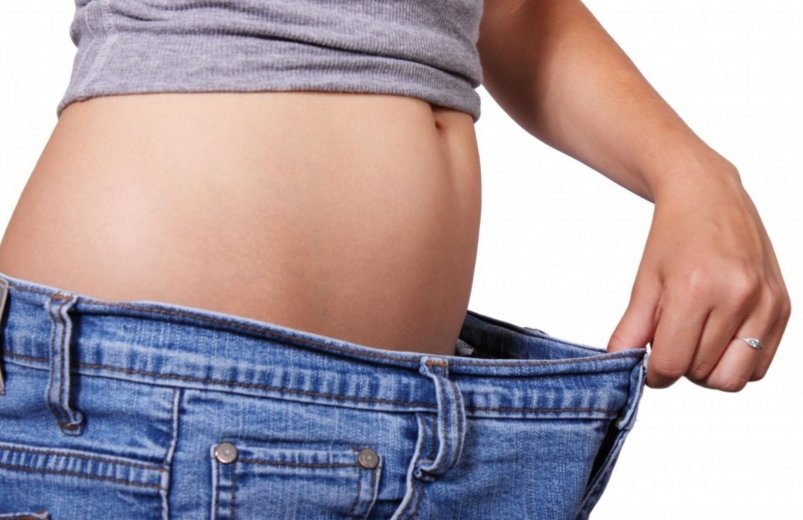
The feeling of heaviness and bloating in the abdomen in the morning, swelling on the face and body is familiar to many. Sometimes the number on the scales can increase by 1.5-2 kg overnight – and this is not fat, but stagnation of fluid in the body and accumulation of gases in the intestines.
Nutritionists and gastroenterologists explain that the reason often lies not in the quantity of food, but in its quality and combination.

A simple diet correction can quickly get rid of swelling and make your stomach flat by the next morning.
Why do swelling and bloating appear?
The body retains excess water and gases are formed for a reason. Doctors named the main causes of edema.
- Digestive overload. Too large portions, complex multi-component dishes (especially salads with fatty sauces) and eating under stress make it difficult for the gastrointestinal tract to function.
- Excess salt and sugar. Salt (sodium) directly retains fluid, causing morning puffiness. Sugar and fast carbohydrates provoke insulin surges and fermentation processes.
- Products that cause gas formation. Even healthy foods may not suit the individual. Frequent triggers include: legumes (peas, beans), cabbage, onions, fresh baked goods with yeast, carbonated drinks, smoked meats and industrial sausages.
- Violation of the drinking regime. Paradoxically, the lack of clean water forces the body to store fluid in the intercellular space.
- Food intolerance. Common culprits are lactose (dairy products) and gluten (wheat, rye, barley).
What to eat to remove swelling and bloating
The key to success is easy-to-digest foods that do not overload the gastrointestinal tract or retain water.
- Protein: Boiled or baked fish (cod, pollock, hake), chicken breast, turkey, eggs (poached, boiled). Protein helps remove excess fluid.
- Vegetables with a diuretic effect: Cucumbers, zucchini, celery, boiled carrots and beets, baked tomatoes. When cooked, they are less likely to cause flatulence.
- Fruits and berries that reduce swelling: Kiwi, pineapple (contain enzymes that help digestion), citrus fruits, cranberries, lingonberries (natural diuretics).
- Cereals that do not cause bloating: White rice (has a fixing effect), buckwheat, quinoa, gluten-free oatmeal with water.
- Proper drinks: Clean warm water with lemon, green tea, parsley infusion, dill water, rosehip infusion. You need to drink in small sips throughout the day.
3 main rules of cooking and nutrition
- Choose gentle cooking. Steaming, boiling, baking without crust. Avoid frying, deep-frying, fatty sauces and mayonnaise.
- Reduce salt and spices. Instead of salt, use dried herbs (dill, parsley, basil), lemon juice, garlic. This will immediately reduce fluid retention.
- Eat mindfully. Chew your food thoroughly, take your time, and don’t eat in front of a screen. This will improve digestion and reduce the risk of overeating.
If swelling and bloating are permanent, do not go away after correcting the diet and are accompanied by other symptoms (pain, bowel problems), you should consult a doctor. This may indicate problems with the intestines, kidneys, cardiovascular system or hormonal levels.
Question and answer:
How can you lose 2 kg so quickly?
This is not weight loss in the sense of fat loss, but the removal of edema and the removal of excess intercellular fluid, as well as a decrease in the volume of intestinal contents. This effect is achieved by avoiding salt, sugar and foods that cause water retention and gas formation.
When will the result be noticeable?
The first results in the form of a feeling of lightness and a decrease in abdominal volume can be noticed within 1-2 days. For a sustainable effect and normalization of the gastrointestinal tract, it is recommended to adhere to the principles of light nutrition for 5-7 days. After this, “provocative” foods can be gradually returned one by one, observing the body’s reaction.
Does coffee help reduce swelling?
Coffee has a diuretic effect, but at the same time it is a strong irritant to the gastrointestinal tract and can increase dehydration, which in the long term can worsen the problem of edema. It is better to replace it with green tea or chicory, which are gentler.
Important: This information is not a substitute for consulting a doctor. The body's response to changes in diet/training may depend on individual physiology, genetic predisposition and health status. It is recommended to consult a specialist.