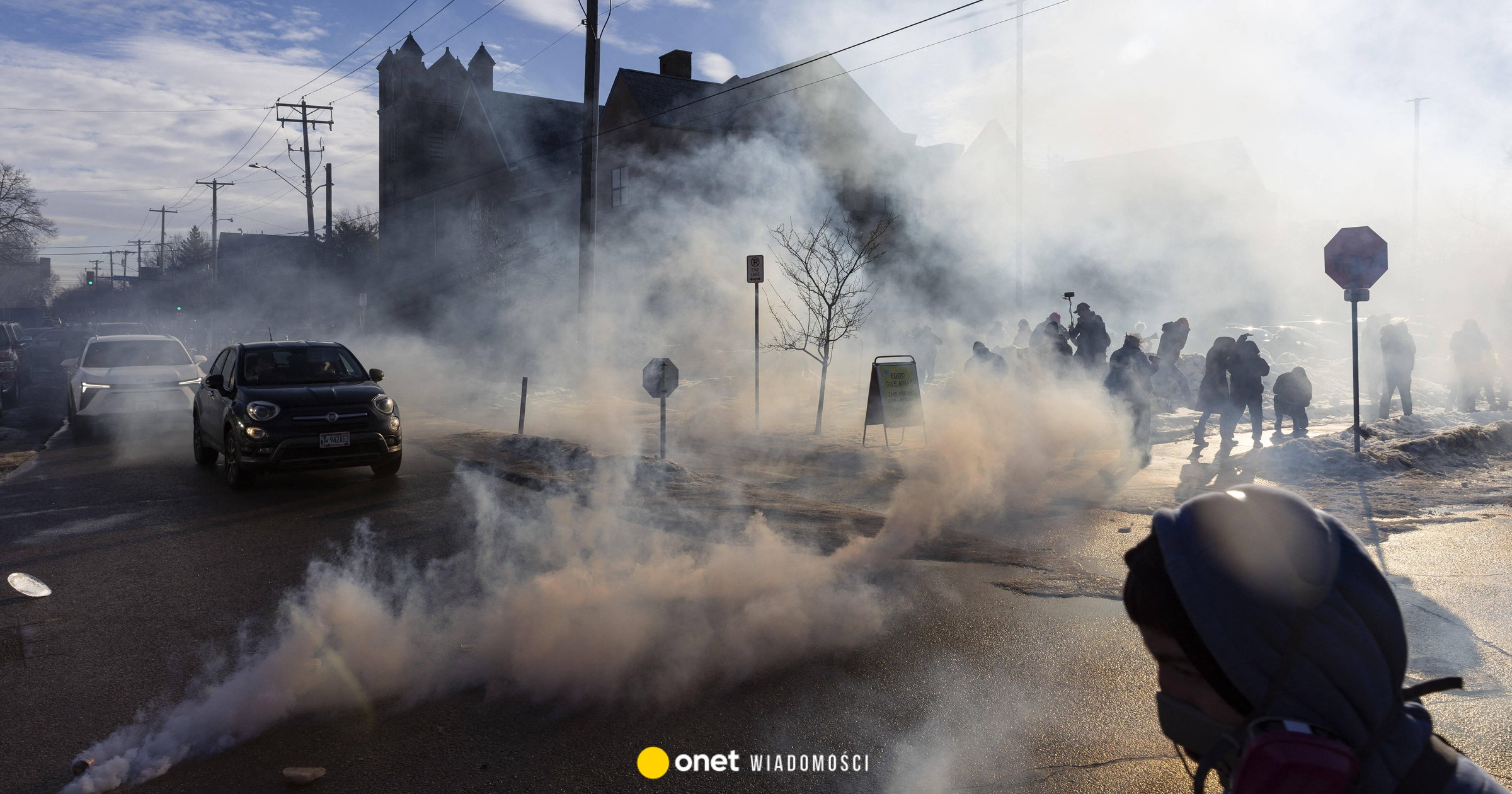
According to Public Radio (NPR), Immigration and Customs Enforcement (ICE) agents blocked streets in the school area and used chemical agents on crowds of protesters in what witnesses described as an escalation of federal actions in public spaces beyond routine enforcement operations. It was part of a larger federal operation in Minnesota that day.
What happened on January 13 in Minneapolis?
What measures did ICE agents use against protesters?
Why may students choose remote learning?
What actions are local communities taking in response to the situation?
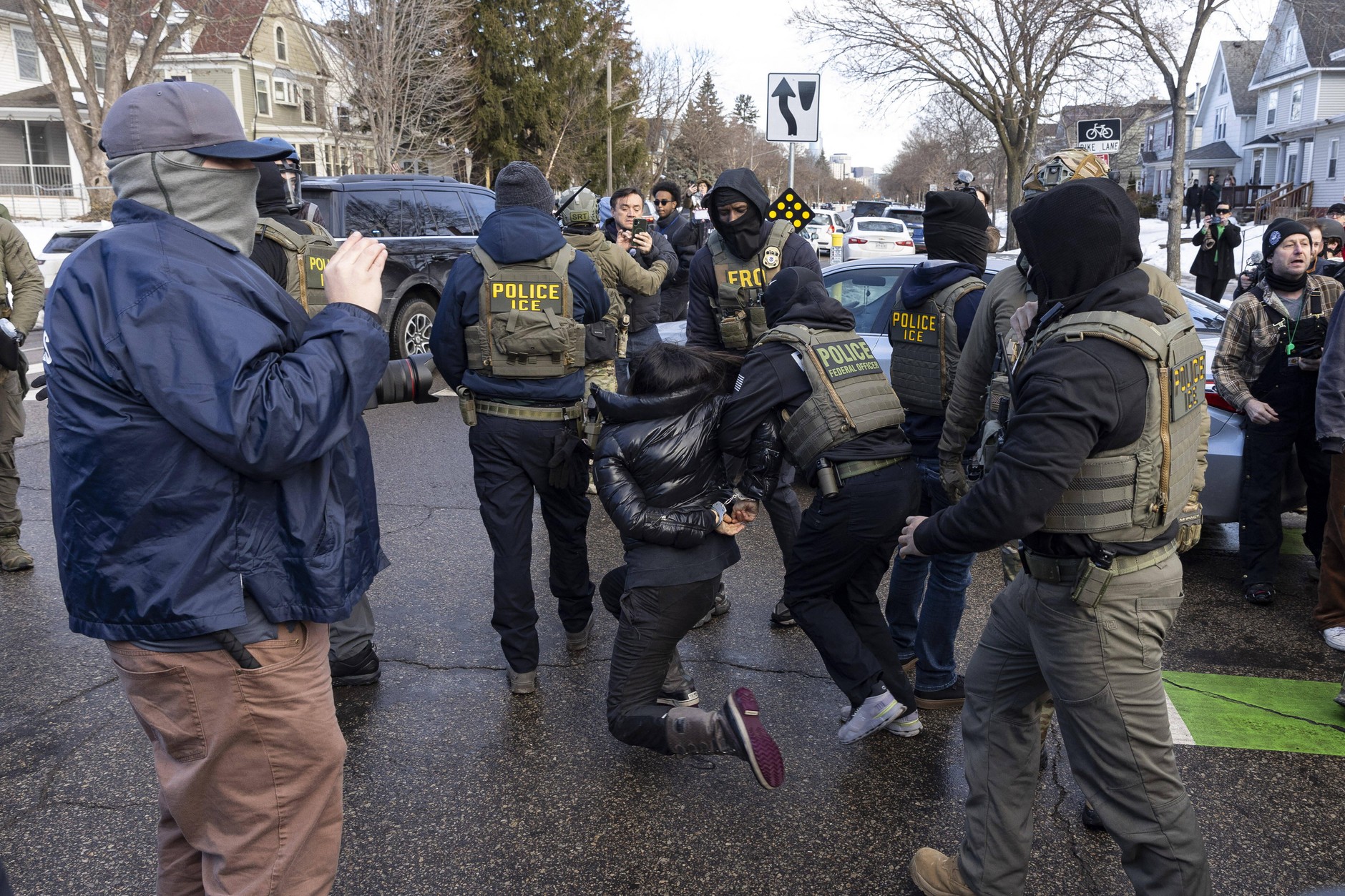
Arrests in MinneapolisAA/ABACA / PAP
Social tensions in Minneapolis, Minnesota, have increased after the death of a 37-year-old woman, a mother of three, who was shot by an ICE agent last week. This became a catalyst for protests and criticism of the presence of federal services in the city.
Difficult situation in Minneapolis. Students can choose distance learning
In response to safety concerns, Minneapolis Public Schools said families can choose remote learning until at least February 12. Local station KARE, citing school authorities, reported that the decision is to “ensure the safety of students and enable them to catch up on the material,” and districts remain in constant contact with the police and community organizations.
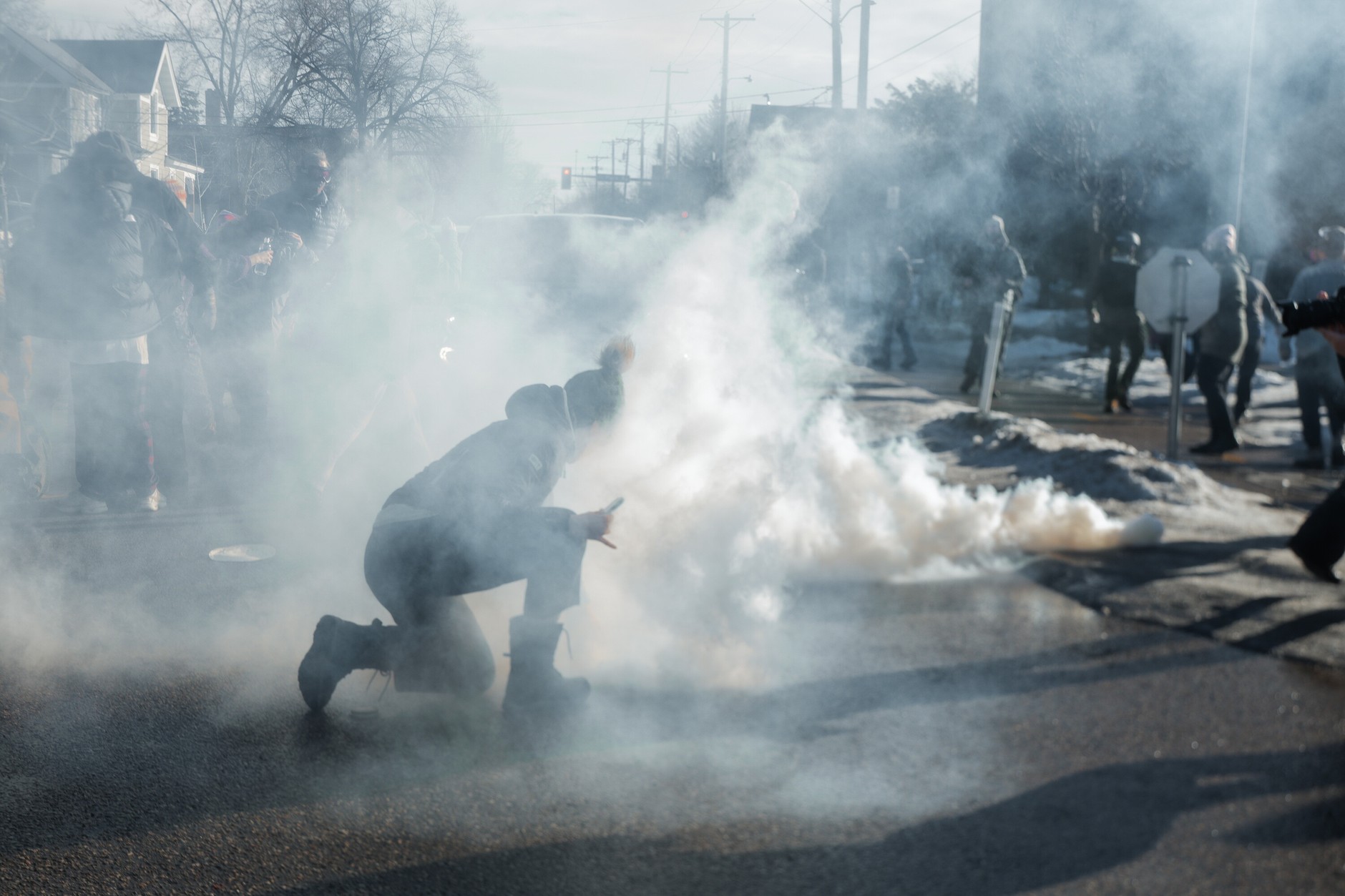
Protests in MinneapolisPAP/EPA/OLGA FEDOROVA
Local and national media also reported student protests. They left classrooms and organized peaceful demonstrations against ICE operations and the militarization of spaces around schools.
At the same time, local businesses and communities are responding to the escalation. As NPR and local media report, restaurants are organizing food and fundraising drives, and a residents are creating grassroots neighborhood patrols and delivery networks for people who are afraid to leave their homes for fear of further action by federal agents.