Transnistria is once again facing an energy crisis. The complicated scheme chosen by Tiraspol: gas delivered by a Swiss company with Hungarian shareholders, at the expense of Moscow, which pays through anonymous companies from the Emirates

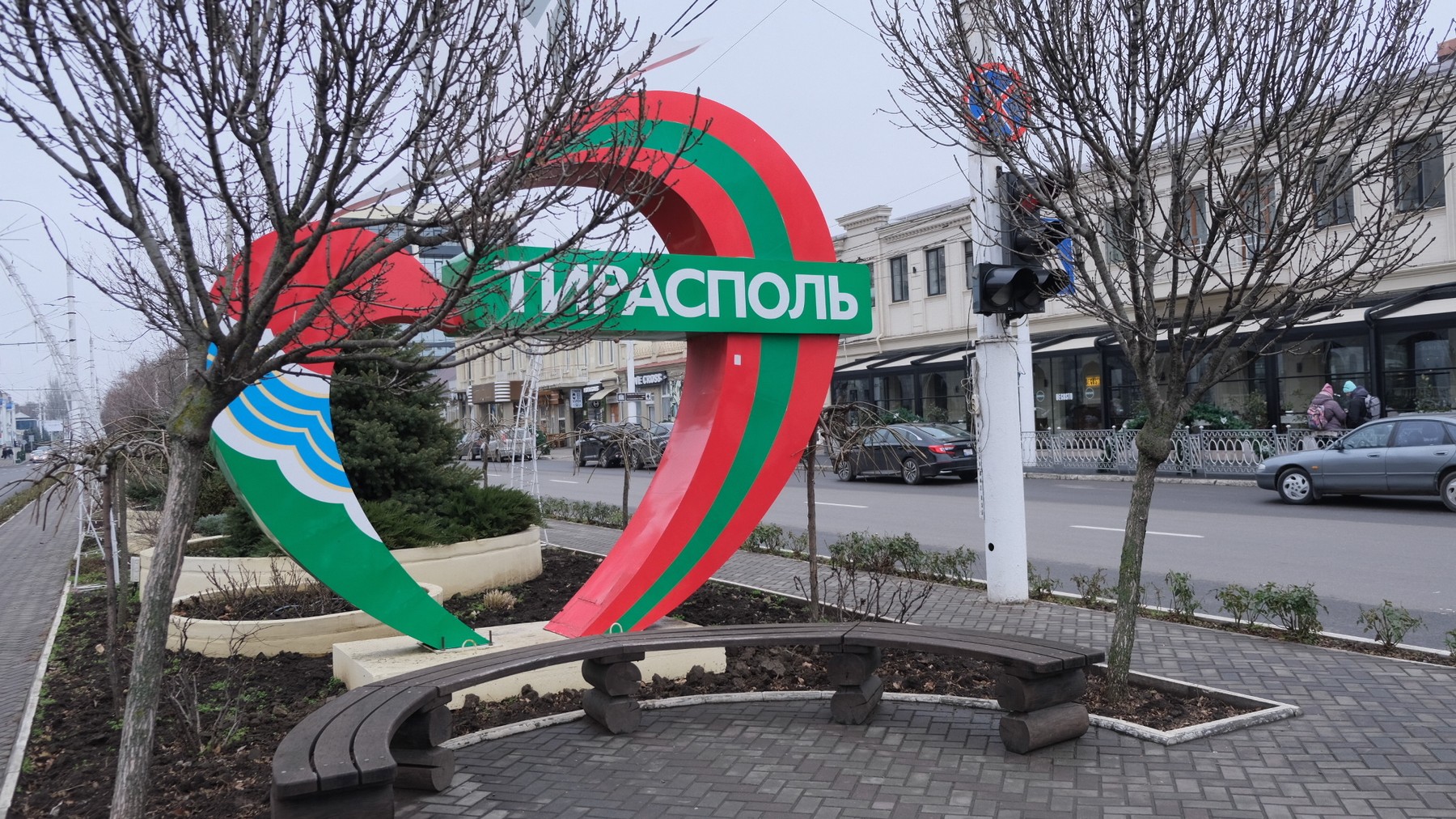
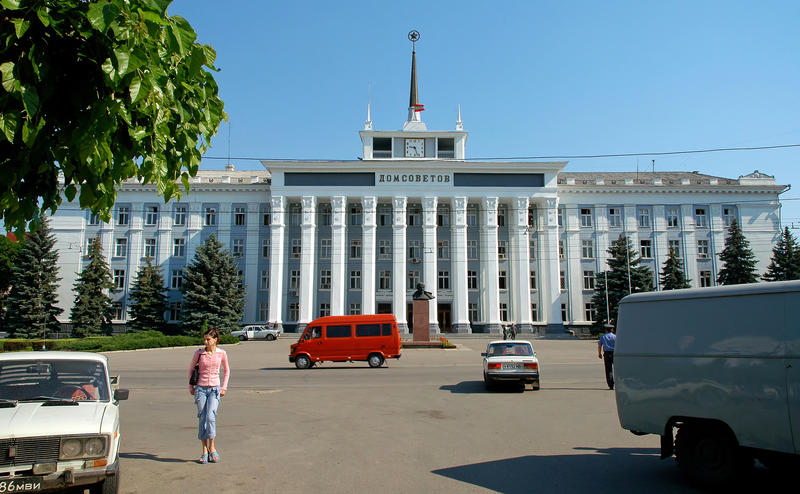
An image of daily life in Tiraspol, in the Transnistria region, in the Republic of Moldova, on February 3, 2025. PHOTO: AA/ABACA / Abaca Press / Profimedia
The Râbniţa cement plant has suspended its activity, and the Moldavian Metallurgical Plant is operating at partial capacity, while the heating in schools and administrative buildings in Transnistria was interrupted during the winter vacation, with several localities experiencing power cuts, as the separatist Transnistrian region is once again facing an energy crisis.
The deputy head of the unrecognized government from Tiraspol, Serghei Obolonik, presented on Monday the situation of providing the Transnistrian region with energy resources in the first 11 days of the year, after, on December 18, the authorities from Tiraspol introduced a state of emergency in the economy for 30 days, due to the reduction of gas supplies to the left of the Dniester, reports News.ro quoting NewsMaker.md.
The deputy prime minister for reintegration in the Chisinau government, Valeriu Chiveri, said that the difficulties arose after the payment agent for gas delivered to the Transnistrian region was changed again. According to the official, the problem is a technical one, not a political one, and it arose after Tiraspol rejected the gas delivery scheme proposed by Chisinau and supported by the European partners, opting instead for the mechanism suggested by Moscow, which Chiveri describes as unsustainable.
The gas settlement process must avoid EU sanctions every time
According to Stopfals.md, taken over by News.ro, the new gas supply scheme in the Transnistrian region provides for the following steps: a Swiss company with Hungarian shareholders, MET Gas and Energy Marketing AG, which has a good reputation on the international market, delivers gas to the border with the Republic of Moldova at the expense of Moscow based on a contract signed with Moldovagaz. For its part, Tiraspol pays in advance the transit costs for the gas transported from the border with the Republic of Moldova to the Transnistrian region, based on an agreement between Moldovagaz and Tiraspoltransgaz.
This gas insurance scheme works extremely difficult because Russia pays for the services of MET Gas and Energy Marketing AG through anonymous companies in the United Arab Emirates, a state that did not adhere to Western sanctions against Russia after the start of the war of aggression against Ukraine.
As the sanctions against Russia tighten, this method of payment becomes more and more complicated. Making the payment from the Emirates to MET is the most difficult stage, because the respective company is registered in Switzerland, a state that has joined the sanctions against Russia.
The payment process is fragmented into three parts per month and must bypass EU sanctions each time.
The heat was turned off in schools and administrative buildings in the region
During a meeting of the unrecognized administration in Tiraspol, Serghei Obolonik mentioned that, between January 1 and 11, the gas supply took place without malfunctions in the distribution and transport networks, the daily consumption of the region being 3.5 – 3.8 million cubic meters. He announced, however, that the activity of the Cement Plant in Rîbniţa has been suspended, and the Moldavian Metallurgical Plant operates only in rolling mode (without melting steel).
Regarding electricity, Serghei Obolonik said that, during the period in question, there were power outages in several localities due to “emergency situations” in the system.
Also, in the schools and administrative buildings in the region, the heat was turned off during the winter vacation, 77 thermal plants were closed. According to Obolonik, the measure allowed the saving of 800,000 cubic meters of gas. On January 9, the heating system was restarted. Obolonik mentioned that, currently, not all educational institutions are heated to the optimal temperature, so that, as the case may be, the duration of class hours is shortened to 30 minutes.
At the same time, Obolonik said the temperature of the thermal agent for the apartments was increased by 3 degrees, in the context of the cooling of the weather.
And last winter Transnistria faced a severe energy crisis due to its dependence on the Russian supplier. The situation required the establishment of a state of emergency not only in Transnistria, but also temporarily in the Republic of Moldova, which is supplied with electricity from the power plant in Râbniţa.
 Transnistria refuses EU gas despite possible humanitarian crisis caused by Russia's gas cut
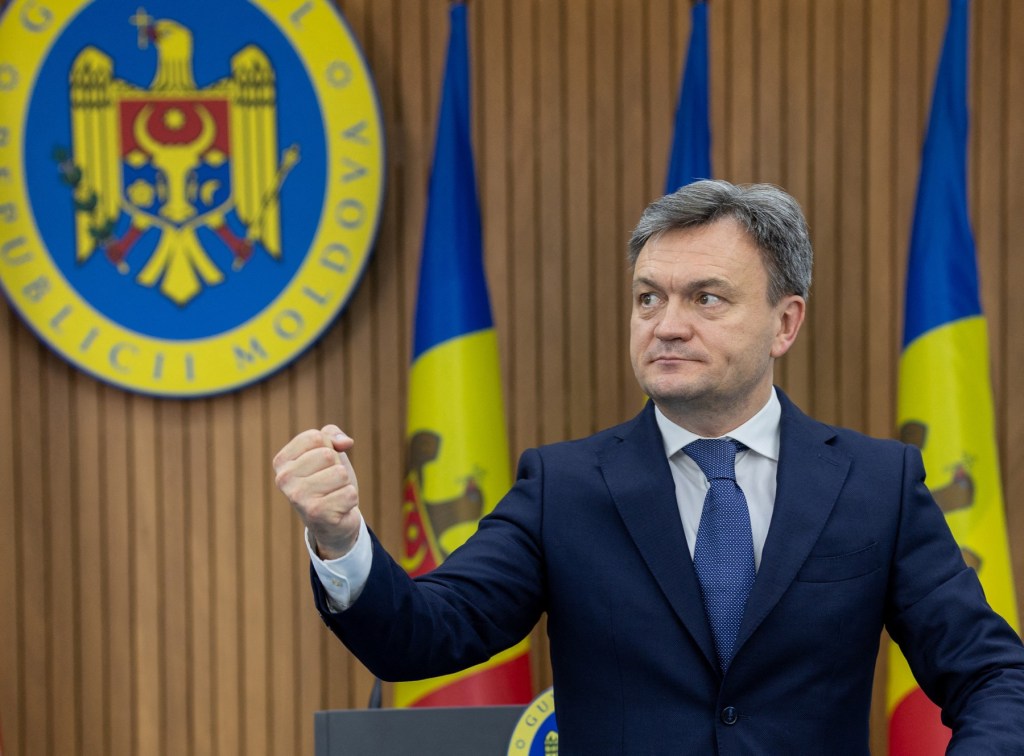 “Betrayal and isolation”. The unprecedented situation in Transnistria brings a security crisis for the Republic of Moldova, Prime Minister Dorin Recean warns