The Kremlin got its paws kicked. Syrski argues that Russia's offensives are bogged down by losses. But there is a growing dispute in the country over the price of the game
The Russian army in 2025 failed to capture significant and useful areas, even though it paid a terrible human price – often even devastating. According to the Supreme Commander of the Ukrainian Armed Forces, General Oleksandr Syrski, this confirms the validity of the Ukrainian strategy of war of attrition, which involves inflicting maximum losses on the Kremlin's troops. Syrski said this in a statement on January 13.
As he emphasized, the Russian high command in the last twelve months has set itself the goal of ending the war by completely taking over the southern and eastern regions of Ukraine: Donetsk, Luhansk, Kherson and Zaporozhye, as well as – according to plans – taking over the large seaport in Odessa. However, Russia has not achieved any of these key goals. Syrski wrote about this in a 12-month summary published on his social media and in the news channels of the Ukrainian army.
– said Syrski.
According to him, Russia is “bleeding and bogging down” and its offensives are falling apart because of a lack of people. But in Ukraine, there is a growing rebellion against the “tough-handed” general – critics accuse him of ruthless command and costly decisions that may cost his own army dearly.
According to most independent analysts, in 2025 the forces of the Russian Federation – having 600-700 thousand in Ukraine soldiers – conducted operations primarily using short-range assault tactics, largely relying on infantry. As a result, the Russians gained from 5 to 5.5 thousand. square kilometers of Ukrainian territory. That's less than 1 percent. the entire area of Ukraine.
Syrski stated that the price Moscow paid for these gains – according to the calculations of the Ukrainian army – was at least PLN 418,000. soldiers killed or seriously injured in combat. Similar estimates are provided by independent groups monitoring the course of the war and the British Ministry of Defense.
Recordings from Ukrainian combat units and soldiers' reports in the Ukrainian media indicate that the main source of Russian losses are currently drones:
FPV – i.e. controlled from the “first person” perspective,
bomb drones
and reconnaissance drones.
Initially, they were used as an emergency measure to increase the firepower of Ukrainian infantry on the front after the US suspended deliveries of artillery ammunition to Ukraine at the end of 2023. Today, drones – 95-99 percent. domestic production – are responsible, according to the operators, for at least half of all Russian dead and wounded.
Russia conquers, but pays with blood
Syrski says the high effectiveness of Ukraine's defenses repeatedly forced Kremlin planners to postpone and sometimes even cancel major offensives — simply because Russian shock troops were running out of men to launch further attacks.
— This year has shown that we can systematically exhaust the opponent and significantly limit his potential. The defense forces did not allow the aggressor to implement their plans, maintained Ukraine's strategic positions and prepared the ground for further operations, he said.
Although in 2025 the initiative belonged to Russia, and its troops made limited but real advances on the ground, Ukraine also carried out local counterattacks and regained lost areas. The most visible actions of this type took place in the east, near the city of Pokrovsk – one of the main Russian targets from mid-2023.
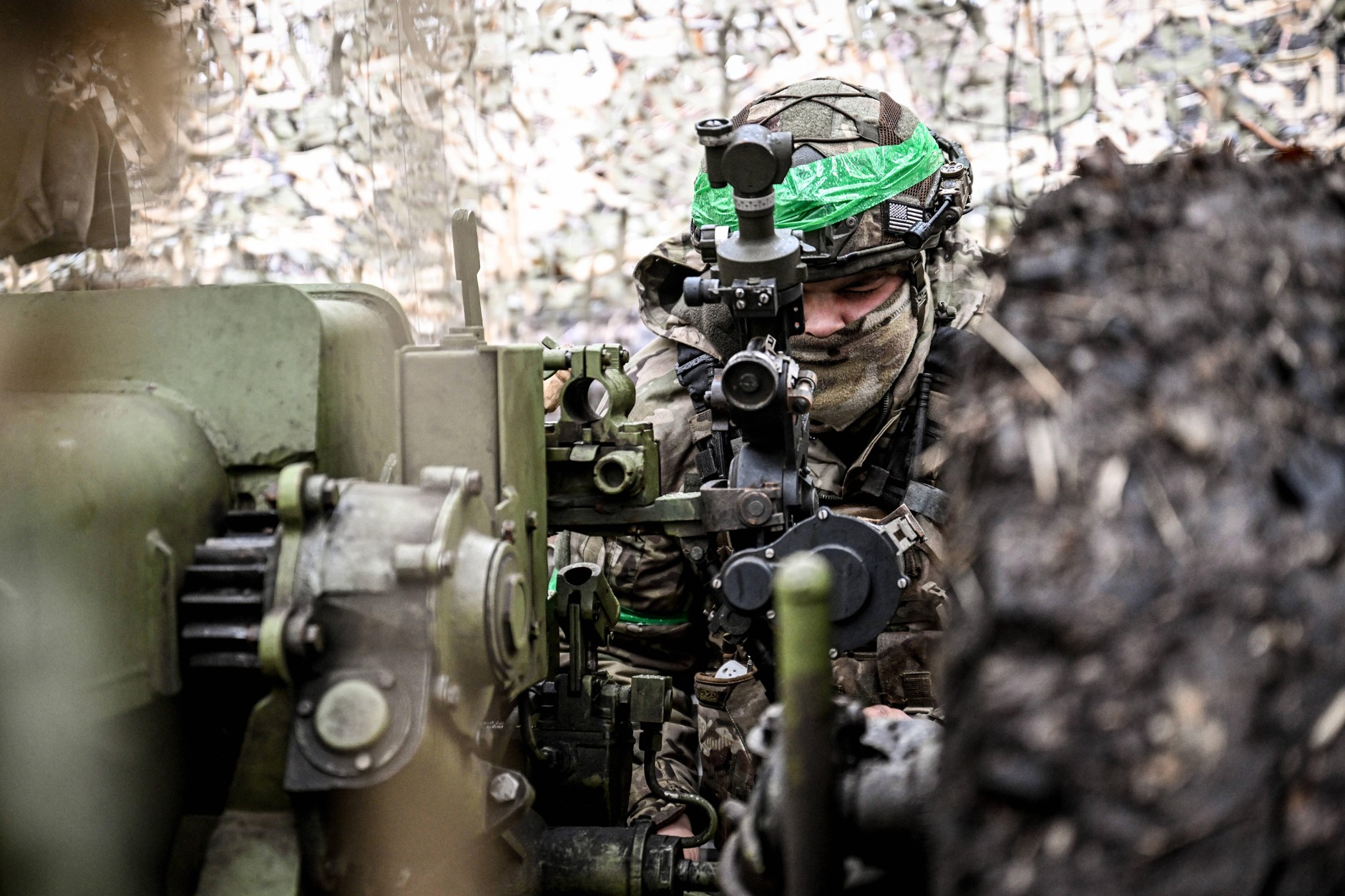
A Ukrainian soldier in the Zaporozhye region aims a 122 mm D-30 howitzer at Russian troops in Pokrovsk in the Donetsk region of Ukraine, November 20, 2025.Dmytro Smolienko/Ukrinform/PAP
During the fighting around the village of Dobropillia northeast of Pokrovsk (in July and August), Ukrainian counterattacks surrounded and destroyed hundreds of Russian infantrymen who had previously gotten to the rear of Ukrainian positions. In a similar defensive operation in the fall (October–November), Russian infantry units penetrated as far as the center of Pokrovsk, but in December they were pushed back by Ukrainian assault troops.
Syrski repeated the thesis that he and other senior Ukrainian army officers raised in early January: that Ukrainian forces, for the first time in this war, are killing and injuring Russian soldiers faster than the Kremlin can recruit them.
If true, such an indicator could become a tipping point for the Russian military – especially since Russian authorities need to constantly show some territorial gains to maintain the narrative that Russia is – albeit slowly – steadily and inexorably moving towards victory.
Absurd reports from the Russian Ministry of National Defense
According to independent analysts, Ukrainian claims that Russia may be running out of people are possible. There are well-documented cases in which Russian units suffered terrible losses – often seen in footage from Ukrainian drones carrying out swarm attacks on Russian infantry surprised in open terrain.
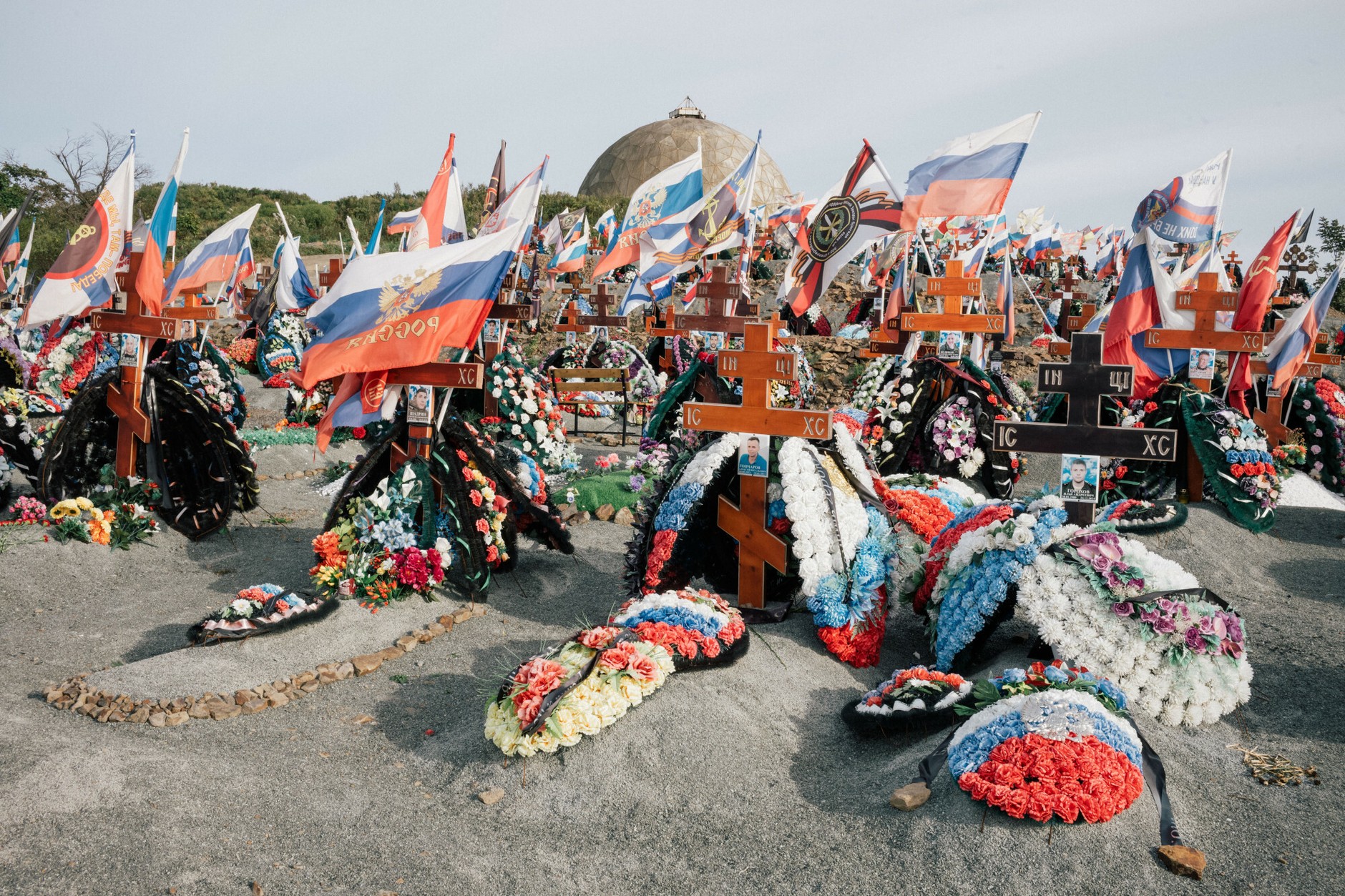
Cemetery with the graves of Russian veterans killed during the Russian invasion of Ukraine. Vladivostok, Russia, September 22, 2025Nanna Heitmann / East News
In turn, Russian media and senior officials have consistently maintained since the invasion of Ukraine in February 2022 that Russia has never had a problem finding volunteers to fight, that society supports the war, and that Ukraine's losses are much greater than Russia's.
Most independent analysts question the reliability of Russian official data on Ukrainian losses. On Tuesday, January 13, the Russian Ministry of Defense announced that since the beginning of hostilities, Russian troops have destroyed 670 Ukrainian combat aircraft and 283 combat helicopters. If these numbers were true, it would mean that Russia shot down the entire Ukrainian air fleet… four times.
The price of war: shortages and fatigue
Syrski summed up 2025 for the Ukrainian army as follows:
We survived because our soldiers worked to the limit of their capabilities, with full dedication, inflicting maximum losses on the occupiers… Thanks to the effective combat work of the Defense Forces, the enemy has not been able to increase its concentration for a long time [liczebności sił w Ukrainie].
The general only indirectly referred to the Ukrainian losses, which are a closely guarded state secret – among other things because of their impact on military planning, internal politics and public morale. In the statement, he only stated that personnel losses of the Ukrainian army decreased by 13 percent in 2025. compared to 2024
Personnel shortages in the Ukrainian Armed Forces are chronic. They result from, among others: from ineffective recruitment, the controversial law banning the conscription of men aged 18-24, the lack of systemic rules for rest and regeneration in most units, as well as from mass desertions – especially among those who volunteered at the beginning of the war and after years of frontline service had no opportunity to move to safer positions.
The article continues below the video
Young officers against the general
In the army, Syrski has a reputation as an “old school” commander: emphasizing discipline and seeking victory through large-scale operations. In September-December 2022, he commanded two of the most successful Ukrainian counteroffensives of the war – in the Kharkiv and Kherson oblasts.
Syrski's critics accuse him of micromanaging units on the front line and bypassing middle command to issue direct orders even in minor clashes. Many of them are junior officers who were promoted thanks to tactical skills and charisma, not seniority, as well as politicians and social activists. According to them general “sucks people and equipment” from existing formations to create elite shock troops subordinated directly to him – and they are increasingly carrying out his counterattacks.
The President of Ukraine, Volodymyr Zelensky, during the January reshuffle at the top of the security apparatus, transferred or accepted the resignations of several key people, including: the head of state intelligence, the head of the presidential administration and the management of the Ministry of Defense. Syrski, however, remained as commander-in-chief.
I’m Ashley Davis as an editor, I’m committed to upholding the highest standards of integrity and accuracy in every piece we publish. My work is driven by curiosity, a passion for truth, and a belief that journalism plays a crucial role in shaping public discourse. I strive to tell stories that not only inform but also inspire action and conversation.