Why our family past haunts us. “Certain traits or vulnerabilities can be inherited, including through genetics”

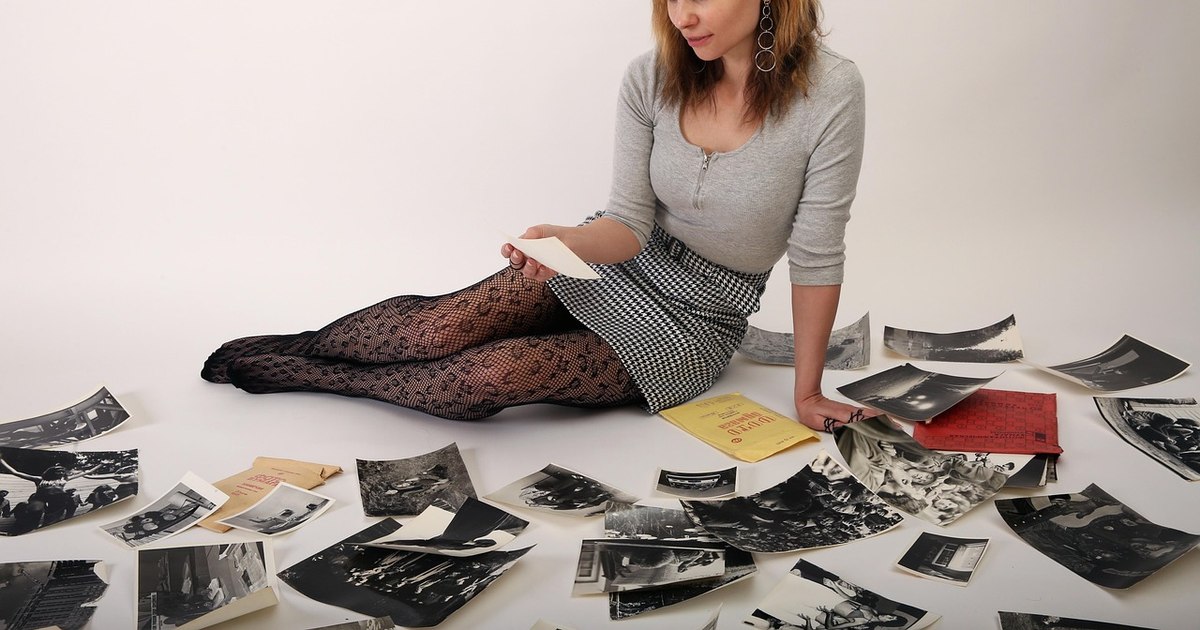
In many cultures, ancestors are not only remembered, but have a special place in the home and family life. “In traditional societies, people set up, for example, a small altar dedicated to the ancestors”explains Dr. Alberto Villoldo, anthropologist and shaman.
Photo source: Pixabay
In front of this altar, simple offerings (water, rice, flowers) are placed, incense is lit next to their photographs, thus creating a space where the ancestors are honored and celebrated.
The West, unlike other cultures, has a strained relationship with family history, Villoldo believes. “We tend to hold our ancestors in the ditch. We hold them responsible for everything that has gone wrong in our lives”he says. The lack of safety, love, feeling of abandonment or insufficient protection is often blamed exclusively on those before us: “The truth is, if we don't honor our ancestors, they live on through us.”
Unresolved things in their lives can make their presence felt in our lives, he opines. “We will continue to live their lives,” warns Villoldo. Therefore, erecting an altar becomes an act of recognition and demarcation, a way of thanking them for the lessons received, even the hard ones: “It's not about excusing their behavior, it's about thanking them for the lessons, however difficult they were. Until then, we won't escape their past.”
Altar as a practical exercise
Raising the altar is not only a symbolic gesture: it can also be a practical exercise, which the shaman recommends for home use. You choose a dedicated place (and specific: not in the bedroom) where to collect photos, objects or symbols of those who have died: “You put up a canvas, you arrange the photos, you put them in the right relationship. Maybe people who haven't spoken to each other in a long time can now sit next to each other.” The altar thus becomes a space of symbolic reconciliation, where offerings are brought and where, in turn, the ancestors are thanked for the gifts received.
Here, Villoldo provides personal examples to show how this exercise works. For example, he confesses that his grandmother left him the gift of poetry: “Even though people think I'm an anthropologist and a healer, I know I'm a poet.” His father left him the gift of time. After a life lived more for roles and obligations, he discovered, late, what it means to really live: “He left me the gift of living life now, not putting it off.”
The altar also changes the way we choose to remember the past. “You don't remember your ancestors as popular psychology tells you you are their victim, but as you choose.” He makes a clear point: “Remember the opposite of the victim is the hero.”
In this perspective, the shrine of the ancestors “brings us into right relationship and frees us from the curse of the ancestors,” so that the uncured patterns are no longer passed on.
How traumas are transmitted
“The family's past can affect us in many ways. It is transmitted both consciously, through behavioral patterns, and unconsciously, through emotions, influencing our way of expression and interpersonal relationships. Certain traits or vulnerabilities can also be inherited through genetics”clinical psychologist Luminița Tăbăran explains for “Adevărul”.
For example, children can learn about trauma by observing their parents' reactions to stress or distress. “Stories about traumatic events can create an emotional connection, even in the absence of direct experiences. Children imitate their parents' behaviors. For example, if a parent uses unhealthy conflict management strategies, the child may copy the same strategies.”she says.
Patterns of behavior are often shaped by the values and norms imposed by family, community and culture. “Family communication dynamics can influence how we relate to others, including choosing a partner or friends. The past can often be passed down through traditions and rituals, strengthening family ties and cultural identity. Every family has stories that define who they are and what they stand for. These are passed down from generation to generation, influencing the perspectives of future generations.”adds the specialist.
In his opinion, experiences lived by parents or grandparents can create patterns of behavior and emotional reactions that we take on without realizing it. If a family has been through significant trauma, such as war, loss or abuse, these experiences can leave deep scars. “Children can take on the burden of these, even if they haven't personally experienced those experiences. Likewise, family history can shape our identity. Values, traditions, and beliefs handed down from generation to generation can influence our choices and the way we perceive life. The family plays a crucial role in setting social and cultural expectations. Expectations, whether expressed or implicit, can create pressure on an individual to follow a certain path in life. Sometimes the past starts to hurt, it's not just a discomfort”says the psychologist.
Psychogenealogy and understanding the past
A book she often recommends in therapy is I Miss My Ancestors by Patrice van Eersel and Catherine Maillard. “Psychogenalogy helps us change our lives by knowing our past. The book presents a case of a child who developed asthma without a known cause. By chance, the mother learned that a distant relative had suffered from gassing during the war and had worn a gas mask, affecting her breathing. After this history was known, the child's asthma disappeared as if by magic!”,
explains Luminița Tăbăran.
In therapy, she says, many people come who feel the need to explore and reconcile their relationship with their family past in order to better understand who they are. “This process can include discussions with family members, therapy or even psychogenealogy, where patterns and relational patterns that we take on unconsciously emerge very clearly. Confronting a painful or complicated family past can generate anxiety, depression, which is why this exploration requires specialist help”it claims.
Family secrets can have a profoundly negative impact on the dynamics of interpersonal relationships and on individual development, draws the specialist's attention. “There is a popular belief that 'what you don't know doesn't kill you'! But it doesn't do you any good either. You don't know, but you feel! Hiding a secret can generate feelings of anxiety and guilt, affecting emotional well-being. Secrets can create an atmosphere of mistrust and conflict within family relationships. People can associate secrets with hiding behaviors, developing unhealthy patterns of communication and interaction. Secrets can influence how we perceive ourselves identity, affecting personal values and beliefs. Secrets can create distance between family members and affect intimacy. In families that openly discuss experiences and reduce the impact of traumas, traumas and stories create a complex network of influences that can help to break negative cycles and create new ones.”
she concludes.