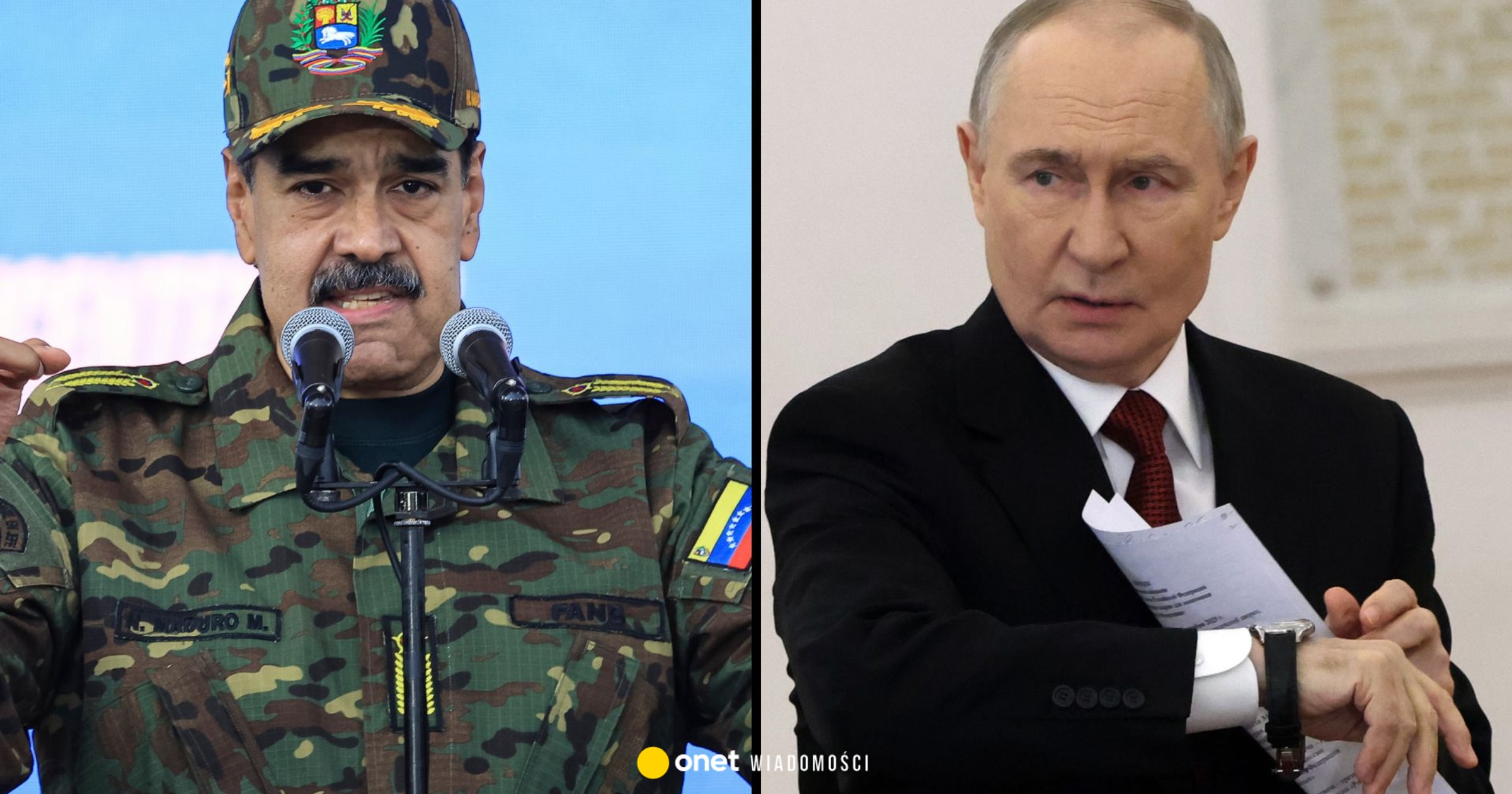
Authoritarian regimes usually do not fall simultaneously, but are based on the same structure: extreme centralization of power, repressive apparatus, propaganda and the illusion of permanent confrontation with the “external enemy”. Although Nicolas Maduro and Vladimir Putin are not identical figures, they belong to the same political ecosystem.
The United States will detain the Venezuelan dictator and bring him to justice in January 2026. it is a historical precedent whose influence reaches far beyond Latin America. This event destroys the basic myth of autocrats: that usurpation of internal power is a guarantee of external inviolability.
For years, Venezuela has been a classic example of authoritarian degradation, a resource-rich country that has been devastated by corruption, repression and economic collapse. Maduro's survival rested on the loyalty of the military and a system designed not to govern but solely to destroy opponents.
His forced removal from power is a signal to all other dictators: the guarantee of personal security is now increasingly uncertain.
The article continues below the video
The physical removal of a dictator from his country by outside forces is a psychological barrier that was previously considered an impassable “red line”.
War as a survival mechanism
Vladimir Putin's Russia has turned into a “state in a constant state of war.” The invasion of Ukraine is no longer just an element of foreign policy; is the basis of internal control. Mobilization, censorship and repression are justified by the logic of permanent conflict.
However, history teaches us that long-term wars exhaust authoritarian systems from within. Economic fatigue, battlefield losses and sanctions are causing cracks in the ruling elite. Maduro's precedent is of devastating importance for Moscow, because it shows that leaders linked to international crimes no longer have any “safety net”.
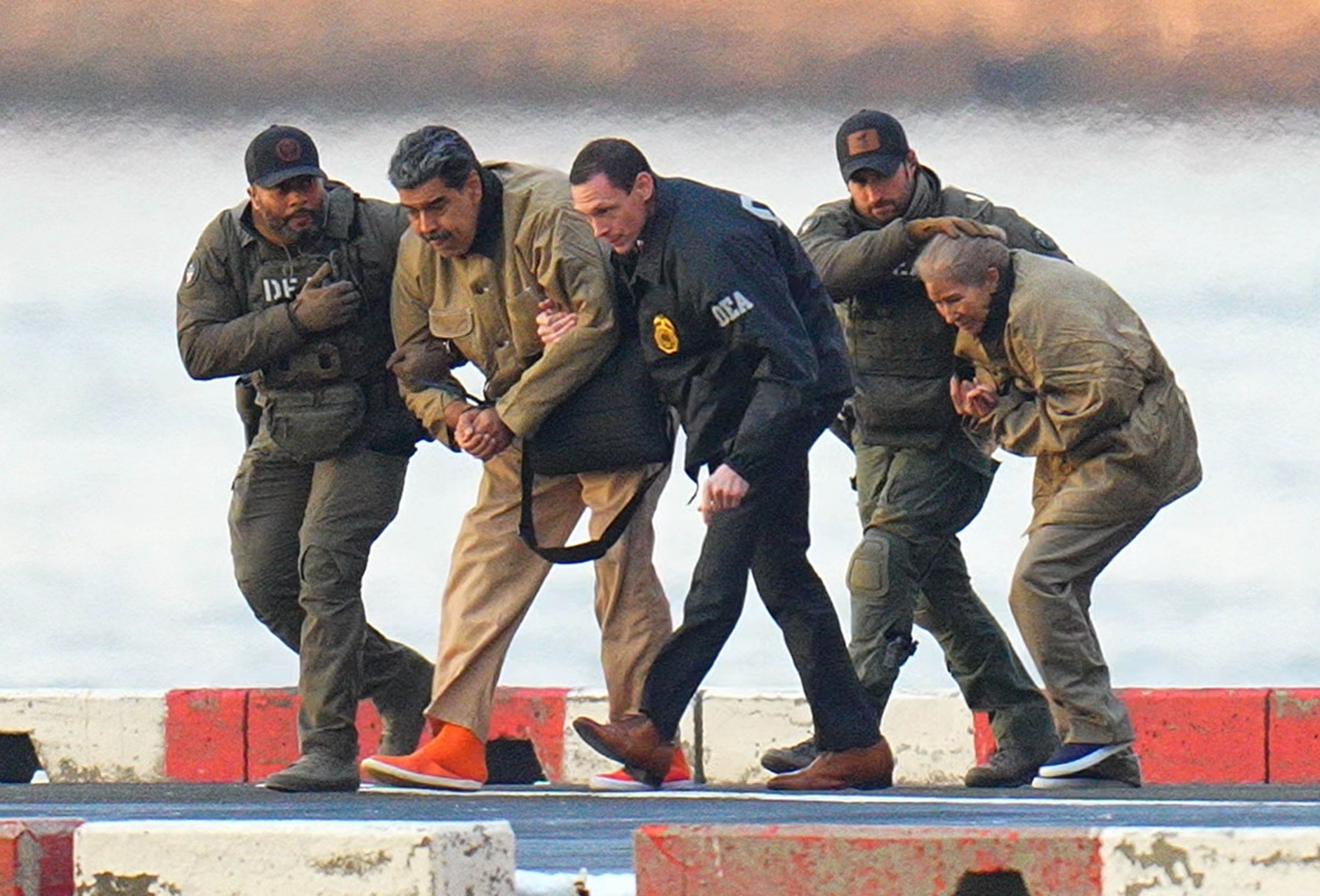
Nicolas Maduro and his wife Cilia Flores escorted by federal agents, New York, January 5, 2026.XNY/Star Max/GC Images/Getty Images
The question “Will Putin be next after Maduro?” does not mean a mechanical sequence of events. The Russian system is larger and more resilient, but has the same weak points. Maduro's arrest has introduced destructive doubt into systems built on the myth of “invincibility.”
The Maduro case confirms that the era of impunity for dictators is coming to an end.
Anatomy of tyranny
The erosion of authoritarian systems is deeply reflected in literature in Mario Vargas Llosa's masterpiece “The Feast of the Goat” (La Fiesta del Chivo). The novel chronicles the final days of Rafael Trujillo's dictatorship in the Dominican Republic, offering a cold look at the mechanisms of power that sustain — and ultimately destroy — autocrats like Maduro and Putin.
Trujillo, like Maduro or Putin, identified himself with the state itself. Llosa's novel shows that dictatorship is not based on real public support, but on the collective psychological belief that the “boss” is untouchable. Maduro's arrest and his appearance in an American court shatters this “divine” aura.
This proves that the transition from “supreme leader” to “prisoner” is a matter of circumstance, not something impossible.
As the novel shows, the ruling elite is often weakened by constant humiliation and fear. The Russian elite is no exception. Loyalty in such regimes is purely transactional.
When the “external enemy” or international justice finally breaks down the wall of impunity, the inner circle's fear of the dictator is replaced by the fear of going down with the ship.
I’m Ashley Davis as an editor, I’m committed to upholding the highest standards of integrity and accuracy in every piece we publish. My work is driven by curiosity, a passion for truth, and a belief that journalism plays a crucial role in shaping public discourse. I strive to tell stories that not only inform but also inspire action and conversation.