Donald Trump enthusiastically promoted the idea of a three -sided peak with himself, Putin and Zelanski as the best road to the end of the Kremlin war in Ukraine. However, Russia signaled that it is not in a hurry to get there.
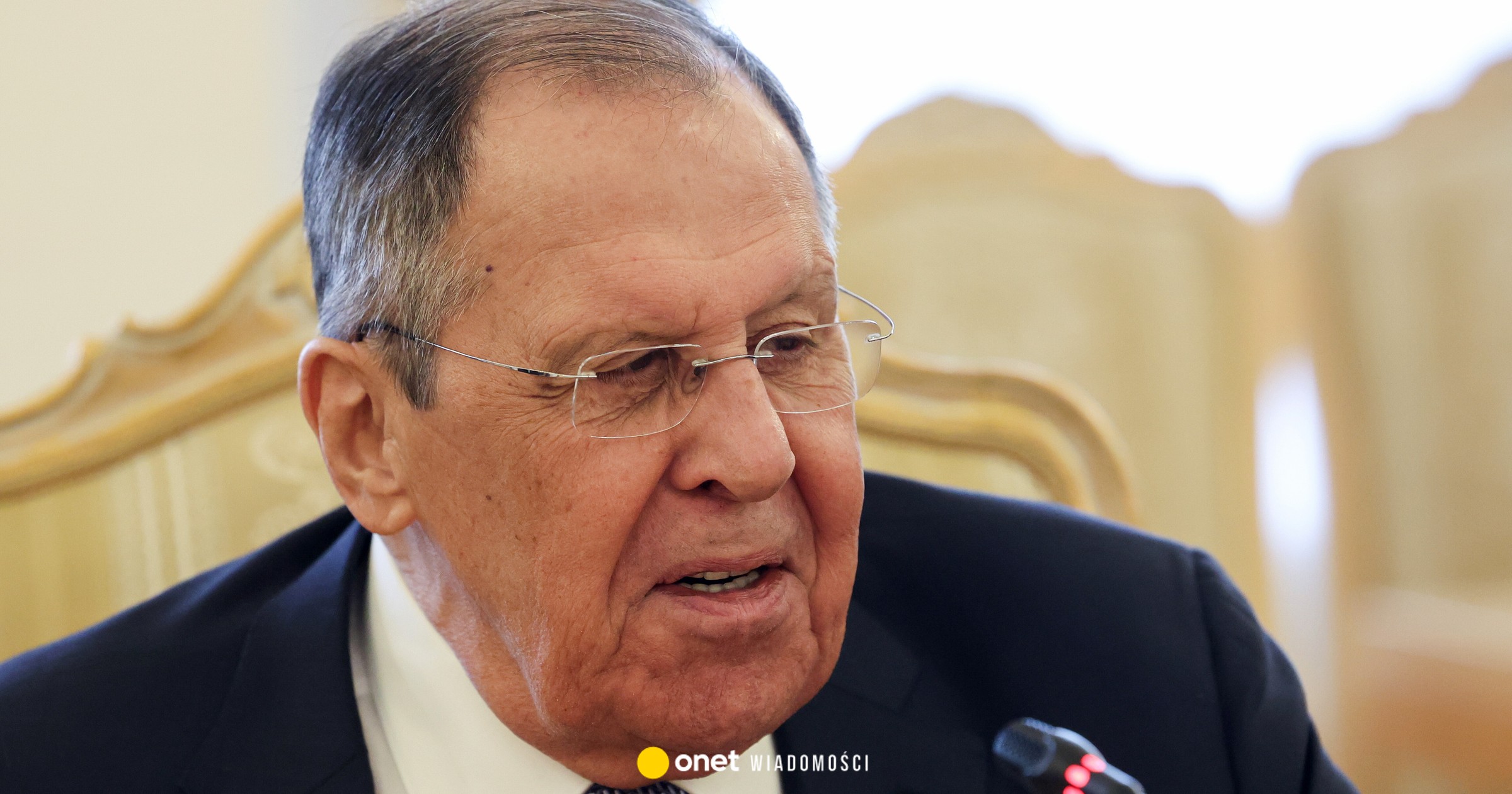
On Tuesday, during an interview for the Rossija-24 television channel controlled by the state, the Russian Foreign Minister Sergei Lavrov said that Moscow does not rule out conversations with Kiev-but, what is crucial, he emphasized that each peak would have to be prepared “step by step, gradually, starting from the expert level, and then passing through all the necessary stages.”
Russia's fancy language follows the known pattern: agree in principle, play delay in practice. A similar dynamics took place in May, when Putin suggested a meeting of Russians with Zelanski regarding peace conversations, but instead sent a second -level delegation.
This time Trump put Putin in a somewhat awkward situation, Calling to him when European leaders and Zelanski were still in the White House. “After the meetings, I called President Putin and started preparations for the meeting, in a place that would be determined, between President Putin and President Zelnski,” said Trump.
Continued article under video material
– I think he wants to do business. I think he wants to do a business for me – Trump's words to French President Emmanuel Macron caught a microphone before he sat at a multilateral meeting with Zelnski and other European leaders.
However, the Russians were more restrainedon the content of this conversation. -Putin and Trump discussed the idea of raising the level of direct Russian-Ukrainian negotiations-admitted the Kremlin adviser Jurij Ruszakov, adding that both presidents “were in favor of continuing direct negotiations between the delegations of the Russian Federation and Ukraine.”
Trump's conversation with Putin, however, was enough to fuel speculation that a breakthrough in conversations may be close. “We're ready,” Zelanski told journalists in the White House, adding that the peak plans will be “formalized in some way in the next week or 10 days”.
Putin still wants to deal with the “basic causes” of the war
Marco Rubio, US Secretary of State, He was satisfied with Putin's alleged openness to talks. In an interview with Fox News, he said: – The very fact that Putin says: “Sure, I will meet with Zelanski” is a big deal.
Despite this, the head of American diplomacy also reduced expectations. “We haven't arrived there yet, but we strive for it and this is one of the things we talked about today, or how to get to this point,” he said.
During the meeting with Trump in Alaska last Friday Putin said that the “basic reasons” of war in Ukraine should be dealt withTo achieve a lasting room, signaling once again that the Kremlin leader did not withdraw from his war goals.
These ambitions include A extensive list of demands that Russia could not secure during the warsuch as Ukraine obtaining the status of a neutral state, giving additional areas in the eastern part of the country, drastic reduction of the army and abandoning aspirations to join NATO.
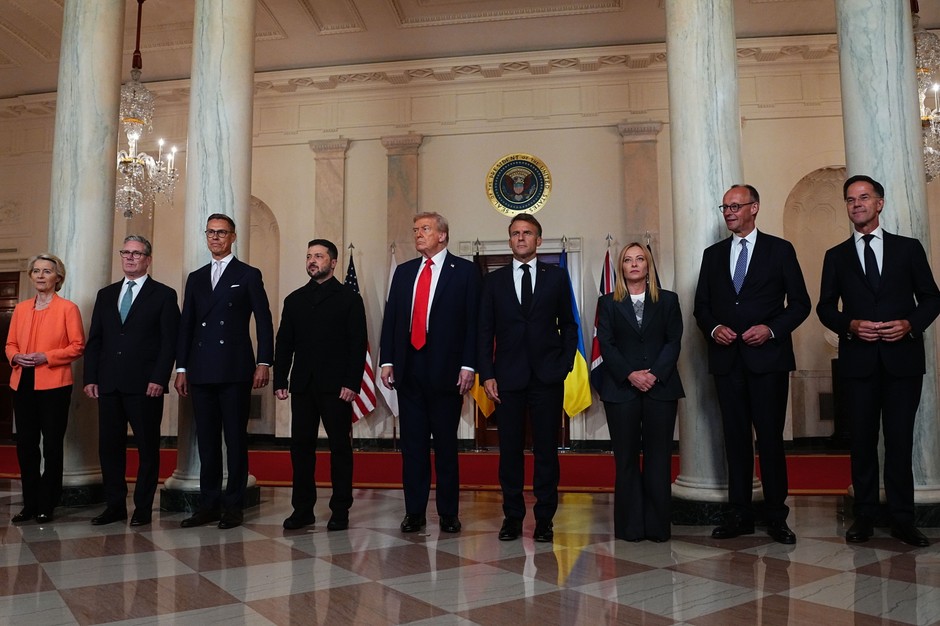
Chairwoman of the European Commission Ursula von der Leyen, Prime Minister of Great Britain Keir Starmer, President of Finland Alexander Stubb, President of Ukraine Volodymyr Zelnski, United States President Donald J. Trump, President of France Emmanuel Macron, Prime Minister Giorgia Melons, German Chancellor Friedrich Mark Rutte poses for a photo in the Cross Hall of the White House in Washington, August 18, 2025.EPA / AARON Schwartz / Pool / PAP
According to German Chancellor Friedrich Merz Trump and Putin, they agreed by phone the meeting “in the next two weeks”. But even he was careful: – We do not know if the Russian president will have the courage to take part in such a peak. That is why persuasion is needed.
– The next 15 days are absolutely crucial for us to finalize work with Americans and give these security guarantees content – said French President Emmanuel Macron in an interview with the French sender of the LCI, who was published on Tuesday.
Macron argued that Putin's final decision on participation or absence at the three -sided meeting would explain “ambiguities” and show whether he seriously approaches the issue of peace. For now, however, the message of Moscow remains clear: there is nothing to stop breathing. Russia is ready to talk about conversations, but does not undertake to organize the summit.
I’m Ashley Davis as an editor, I’m committed to upholding the highest standards of integrity and accuracy in every piece we publish. My work is driven by curiosity, a passion for truth, and a belief that journalism plays a crucial role in shaping public discourse. I strive to tell stories that not only inform but also inspire action and conversation.