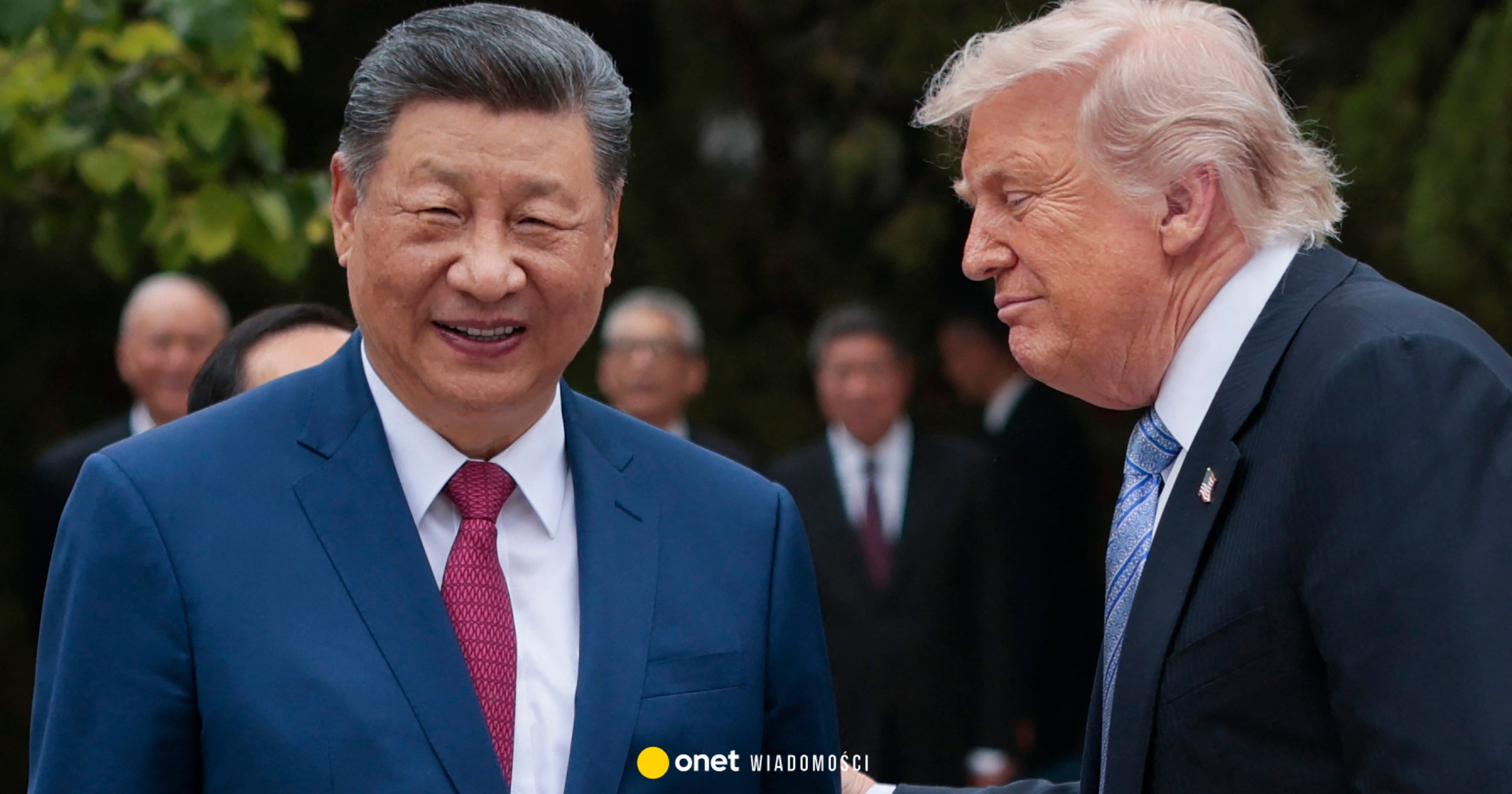
US President Donald Trump bluntly invoked the Monroe Doctrine to explain the capture of Venezuelan dictator Nicolas Maduro. But he didn't stop there. He also emphasized the primitive principle that he follows in his foreign ventures. “It's important to make me happy,” he told reporters.
Maduro did not do this, refusing Trump's order to surrender — which is why he was dragged from his Caracas residence in the middle of the night by Delta Force commandos and unceremoniously detained in New York's Metropolitan Detention Center.
Despite the US president's words about the need to please him – accompanied by tongue-in-cheek suggestions of possible future raids on countries such as Cuba, Colombia and Mexico – one continent has shown itself willing to stand up to it.
Africa's decisive response
Maduro's capture was unanimously criticized by both African governments and the continent's regional organizations. One of the most outspoken critics was South Africa. Its UN envoy warned that such actions, if left unpunished, risked “a return to the pre-UN world, a world that produced two brutal world wars and an international system prone to serious structural instability and lawlessness.”
The 54-nation African Union and the 15-member Economic Community of West African States (ECOWAS) also categorically condemned gunboat diplomacy [polegającą na demonstrowaniu przewagi militarnej] Trump. Ugandan President Yoweri Museveni even had the courage to issue an unceremonious challenge to Washington — if American forces try to use the same trick in his country, his services will defeat them. This is a big turnaround for him — in 2018, he said he “loves Trump” for his honesty.
President of Uganda Yoweri Museveni in Nairobi, May 16, 2024.SIMON MAINA / AFP
Africa's directness and unity on Maduro contrasts with the more divided response from Latin America, as well as the cautious responses from Europe, which is more focused on Trump's overtures towards Greenland.
Fearing the risk of open conflict with Washington, British Prime Minister Keir Starmer waited 16 hours after the detention of Maduro and his wife before cautiously embarking on a path of diplomacy. He tried not to take sides. He only emphasized his attachment to compliance with international law. “We are not crying over the end of his regime,” he said.
Other leaders also behaved to avoid Trump's wrath. Greek Prime Minister Kyriakos Mitsotakis even stated firmly that this was not the right moment to discuss Trump's decisive methods – a position shared by German Chancellor Friedrich Merz.
So why don't African leaders adopt Europe's cautious stance?
Trump's insults
Partly because they have less to lose. Europe still hopes that it can influence Trump, soften his position and avoid an irreversible break in the transatlantic alliance, especially regarding Greenland, says Tighisti Amare from the British think tank Chatham House.
— Due to the dramatic cuts in US development funds for Africa that have already been implemented by Trump, Washington's influence [na ten kontynent] he's not as strong as he used to be. The United States doesn't pay much attention to Africa, except [Demokratycznej Republiki Konga]where they have clear interests in critical minerals, Amare adds in an interview with POLITICO. — In terms of trade volume, the EU remains the most important region for Africa, followed by China and the increasingly important Gulf countries.
The article continues below the video
Trump certainly hasn't tried hard to make friends in Africa. On the contrary – already during his first term, he treated this continent like a punching bag, making controversial comments about it – he once called African countries “shit countries”. Since then, there have been numerous disputes – regarding travel bans, high tariffs and the liquidation of the United States Agency for International Development (USAID). It is believed to have saved millions of Africans over the years.
Moreover, in May, Trump also lectured South African President Cyril Ramaphosa in the Oval Office, claiming he was responsible for the genocide of white South Africans. At one point in his monologue, he ordered the lights to be dimmed and video clips showing the leaders of South Africa's minority party encouraging attacks on the country's white population.
Washington then boycotted the G20 summit hosted by South Africa in November and withdrew the country's invitation to attend this year's meeting, hosted by the United States.
Back to the era of superpower rivalry
According to Amare, Africa's condemnation of Maduro's kidnapping is not solely out of concern for Venezuela. It also partly results from the memory of colonialism. — It is not only about solidarity, but also about protecting the principles that limit the use of force by powerful states against defenseless states, he says. African countries view Trump's actions against Maduro “as a real threat to international law and the norms protecting the survival of the sovereignty of small states.”
Indeed, African leaders may also feel the noose is tightening and worry that they will one day find themselves in the line of fire. — There is an element of self-defense at play here, as some African leaders see similarities between themselves and Maduro [jeśli chodzi o sposób sprawowania władzy] – says Oge Onubogu, director of the Africa program at the Center for Strategic and International Studies. “In some countries, people on the streets and even civil society have a different opinion and actually see Maduro's removal as a positive thing,” he adds.
The question is whether African leaders will now be cautious in their alliances with Russian President Vladimir Putin or People's Republic of China Chairman Xi Jinping, as Trump exposed the powerlessness of friendship with one of them by toppling Venezuela's strongman [sprzymierzonego z Putinem]? According to Onubogu, even before Maduro was overthrown, African leaders understood that the world order has changed radically and that we have returned to the era of great power competition.
— Individual leaders will make their own calculations based on what is beneficial to them and in their interest. I would not like to generalize and say that some African countries may withdraw from cooperation with China or Russia. They will play their game, trying to find a way to win – adds the expert.
I’m Ashley Davis as an editor, I’m committed to upholding the highest standards of integrity and accuracy in every piece we publish. My work is driven by curiosity, a passion for truth, and a belief that journalism plays a crucial role in shaping public discourse. I strive to tell stories that not only inform but also inspire action and conversation.