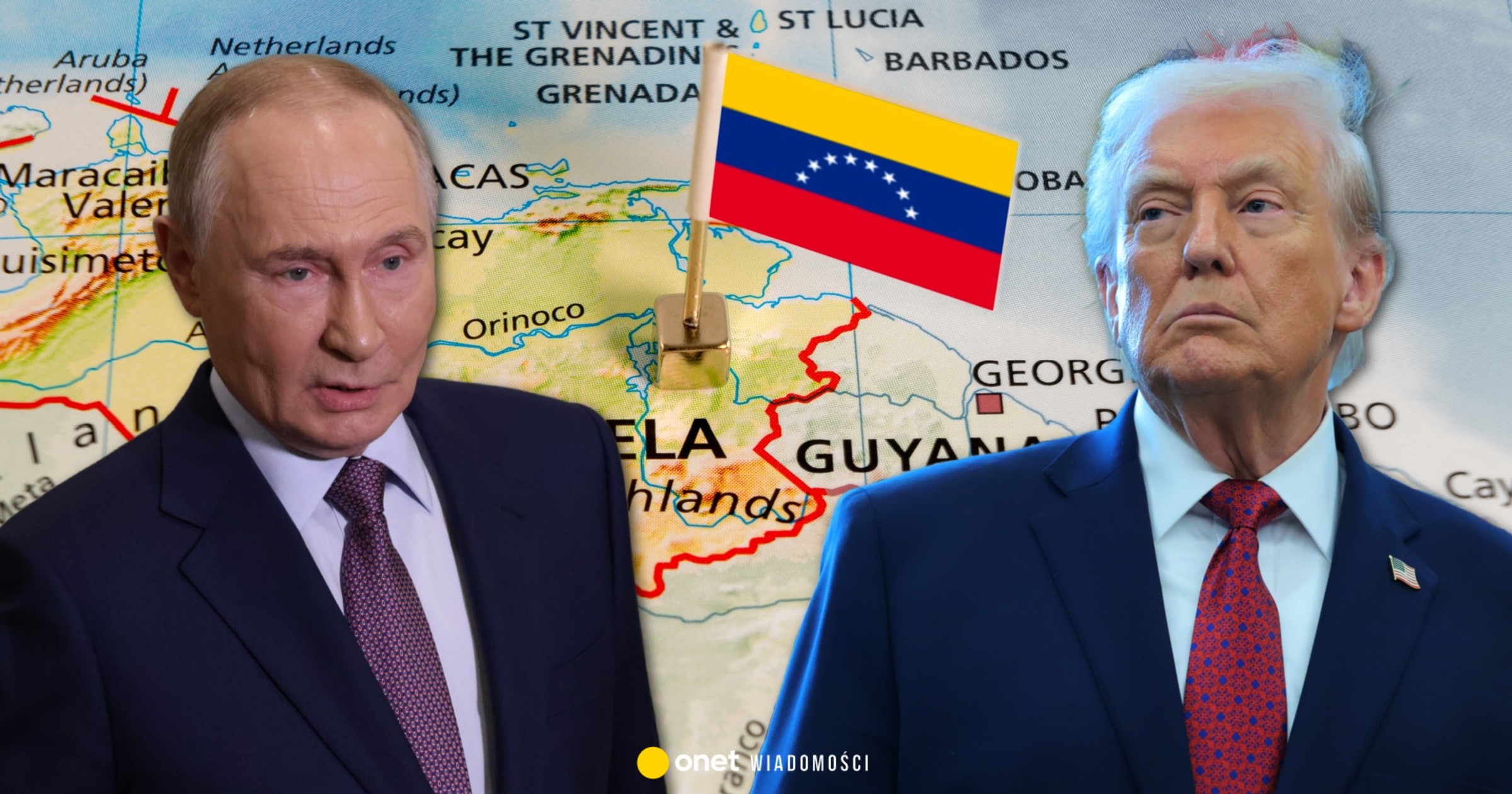
In testimony before Congress in 2019 in connection with Donald Trump's impeachment proceedings, Fiona Hill, his former adviser on Russia and Europe, said that Moscow proposed an agreement to the then US administration. As part of it, she offered it influence in Venezuela in exchange for withdrawing from Ukraine.
Fiona Hill said the offer was made informally during the political turmoil in Venezuela in 2019. It was characterized by massive power outages across the country, food shortages and service disruptions, which led to widespread protests.
The crisis followed the disputed 2018 presidential election, which the United States and other Western countries deemed illegitimate.
Hill said the Kremlin passed on the offer “informally” and suggested it may have been related to the Burisma scandal. The case led to impeachment proceedings against Trump over his attempts to pressure Ukrainian officials to open an investigation into Hunter Biden, the son of then-Democratic presidential candidate.
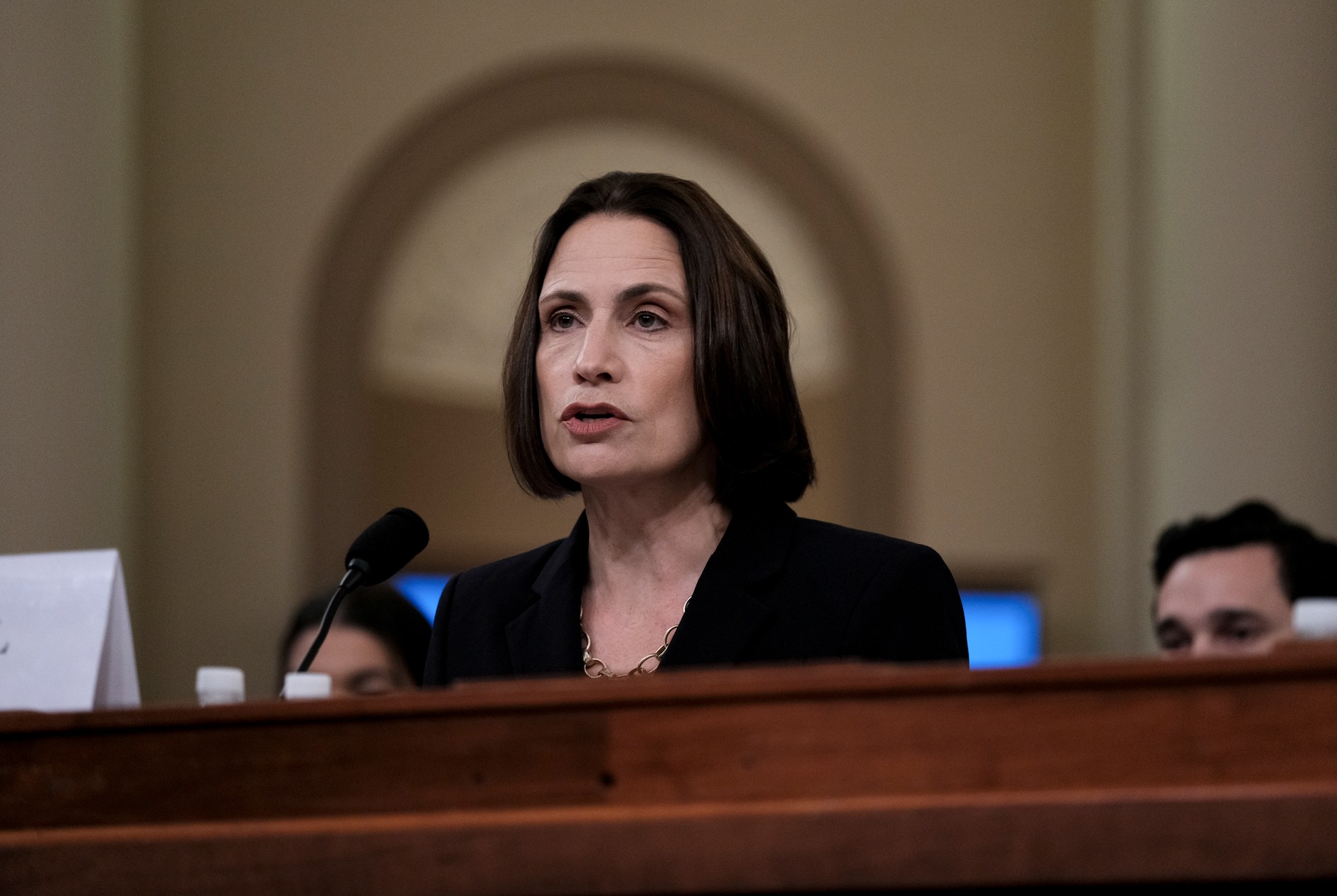
Fiona Hill, former White House top Russia adviser, during Donald Trump's impeachment proceedings in Washington, November 21, 2019.The Washington Post/Getty Images
Hill's testimony
In 2019, during her impeachment hearing, Hill brought up Venezuela.
— It was March, April, May, when there was a stalemate regarding Venezuela. At this particular moment The Russians have signaled very clearly that they want to conclude some very strange exchange agreement between Venezuela and Ukraine. she said.
The article continues below the video
Hill related Russia's proposal to America's Monroe Doctrine, an 1823 policy aimed at keeping European powers away from the Americas.
— In other words, [zaproponowali to na wypadek] if we wanted to apply something like the Monroe Doctrine, i.e. stop Russia from entering our backyard. The Russians then sent hundreds of agents to secure the Venezuelan government and prevent what they perceived as some kind of US military action, she said.
— They were basically signaling: you have your Monroe Doctrine, you want us to stay out of your backyard. Well, we have our version of this doctrine. You are in our backyard in Ukraine, she added.
Informal proposal
Hill said the proposal was communicated to the United States “informally” through the media. The Trump administration at the time told her to “basically tell the Russians to stop.”
— We received it [te propozycje] unofficially, through various channels. This information appeared in the Russian press and in statements by various commentators, she said. — I have been given a special assignment by the National Security Council, in consultation with the State Department, to persuade the Russians to withdraw [z nich].
She added that at that time there were links between the Ukrainian and Venezuelan energy sectors, but did not provide further details on this matter.
— During conversations with colleagues, I also learned that Ukrainian energy interests were linked to the Venezuelan energy sector, and the names of Mr. Parnas and Mr. Fruman and Mr. Harry Sargeant resurfaced. “My colleagues said that these gentlemen were known in Florida and that they did not bode well,” she said.
Lev Parnas and Igor Fruman are Ukrainian-born businessmen who were associates of Rudy Giuliani and participated in efforts to pressure Ukraine to investigate Joe Biden and his son. Harry Sargeant III is an American businessman and Republican Party donor who was involved in contacts between the United States and Ukraine.
Russia condemned the US attack on Venezuela and the capture of Maduro. Its foreign ministry said in a statement that Venezuela “should be guaranteed the right to decide its own fate without destructive, especially military, external interference.”
I’m Ashley Davis as an editor, I’m committed to upholding the highest standards of integrity and accuracy in every piece we publish. My work is driven by curiosity, a passion for truth, and a belief that journalism plays a crucial role in shaping public discourse. I strive to tell stories that not only inform but also inspire action and conversation.