The first 72 hours of 2026 look like a prelude to a memorable year. Venezuelan President Nicolas Maduro was overthrown in a movie-style move, ending a reign marred by corruption and cocaine trafficking in less than 30 minutes.
Now, with Maduro sitting in a U.S. prison and unlikely to be released soon, Russian President Vladimir Putin faces a serious geopolitical dilemma that is forcing him to think about what he really wants from Venezuela and Latin America as a whole.
Although Donald Trump and his closest associates try to explain “Operation Absolute Resolve” as a necessary closure of the dispute over the exploitation of raw materials and drug trafficking that diplomacy has been unable to resolve, the truth is different.
The fall of Maduro is only the apparent finale of this story. The real game is about who will take real power in Venezuela and whether Russia can actually be pushed out of the Western Hemisphere.
Trump didn't support Absolute Resolve because of Maduro's alleged involvement in the illegal fentanyl trade (which is essentially a Sino-Mexico racket), nor did he write a Manuel Noriega-esque script for him to seize the country's black gold. Greater influence in the oil industry is just an added bonus.
Putin may be willing to offer Trump a full withdrawal from the Americas in exchange for dividing Ukraine. But the long-term benefits of such an arrangement are shrouded in great uncertainty.
Why the Kremlin can't let go of Venezuela
Since Hugo Chavez took power in 1999, Russia has sold more than $20 billion worth of gas to Venezuela. [ok. 72 mld zł] military equipment and weapons. Moscow may have maintained an undisclosed intelligence network in the country and has been repeatedly invited to build or manage a naval base in the southern Caribbean.
Moreover, Russian corporations have benefited most of all from the privileges granted by Venezuelan leaders. One of them was a joint oil venture between the Venezuelan company PDVSA and the Russian Rosharubiezhneft worth USD 600 million. [ponad 2 mld zł]which Maduro extended for another 15 years just weeks before his spectacular fall.
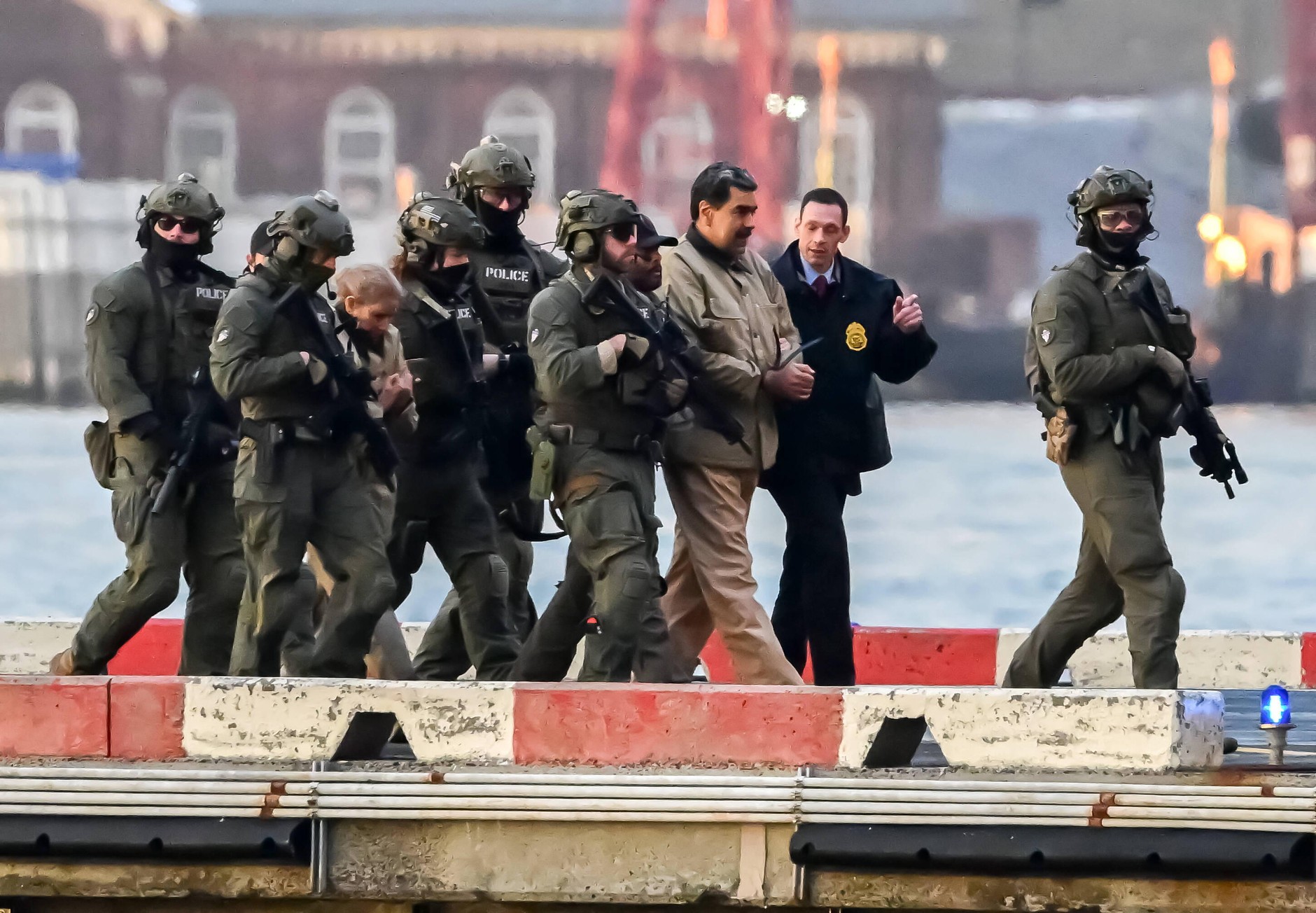
Deposed Venezuelan President Nicolas Maduro and his wife Cilia Flores arrive at the Wall Street Heliport in the Manhattan borough of New York, U.S., January 5, 2026.Kyle Mazza / CNP Photo via Newscom / PAP
From the Russian perspective, so many different interests are at stake that doing nothing would mean losing everything. This isn't gambling – it's chess. This is not about saving Maduro from his already determined fate, but about what to do next with Venezuela, because mishandling this delicate matter could have serious consequences for Cuba and Nicaragua.
Chavista Venezuela has provided both countries with daily supplies – from food to oil – since the early 2000s. If Venezuela experienced a complete change of power or severed ties with Cuba and Nicaragua, their revolutionary governments could even collapse. Three goals in one go.
In a domino effect, Washington could restore its hegemonic position in the Western Hemisphere. Meanwhile, Russia, China and Iran would lose their footholds – and with them one of the greatest instruments of pressure on the United States.
Maduro was “to be sacrificed”
Given the stakes, Russia is unlikely to adopt a “wait and see” approach that could threaten its painstakingly built position in America, potentially triggering a regression that could take a decade to reverse. Therefore, it is no political fantasy to assume that Russia anticipated “Absolute Resolve” and in advance, quietly prepared a scenario for the time after Maduro.
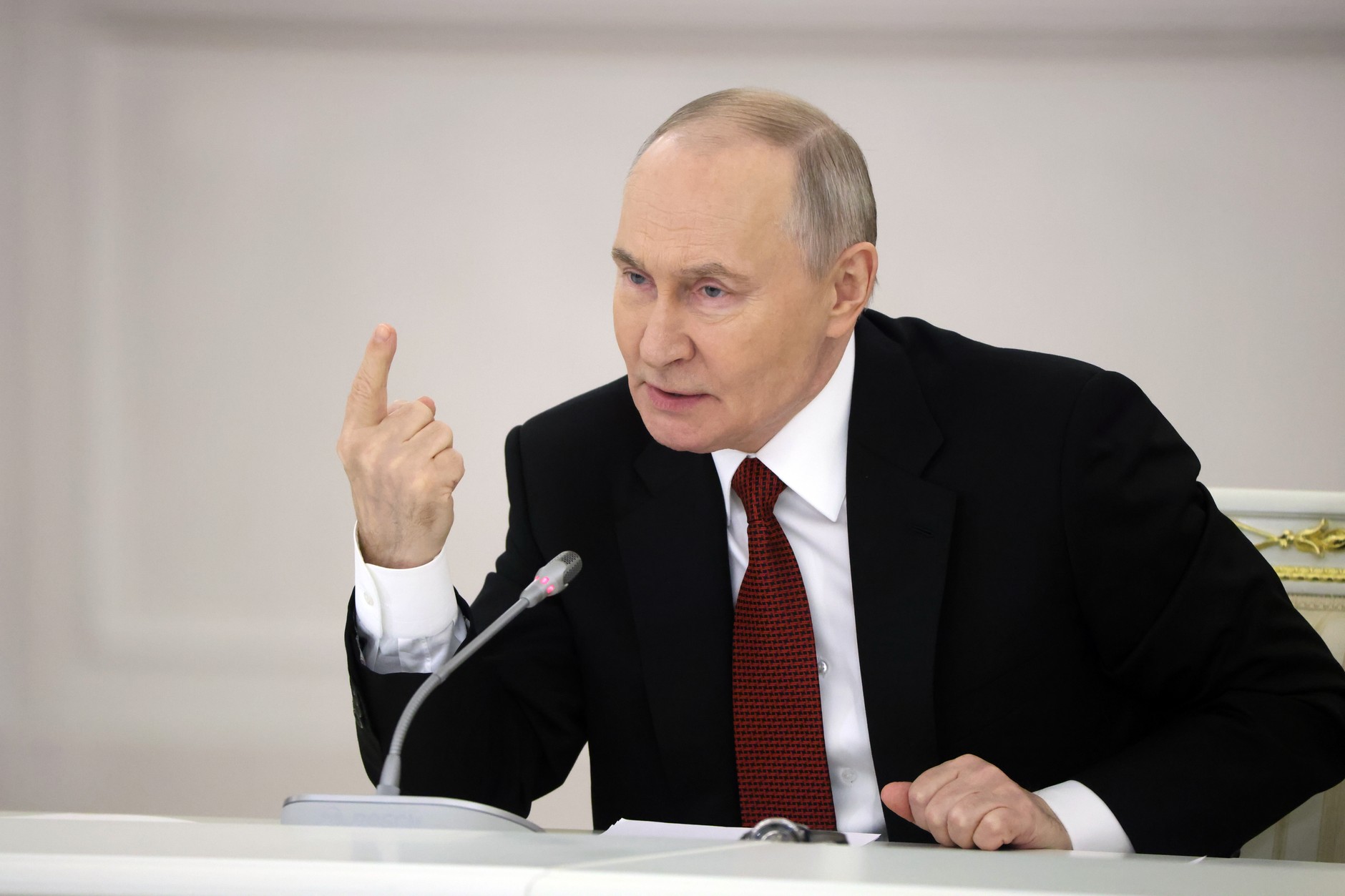
Russian President Vladimir Putin in Moscow, December 25, 2025.Contributor/Getty Images/Getty Images
Putin knew he could not stop this operation. The enormous effort required by the devastating war in Ukraine does not allow resources to be transferred to secondary theaters, as the example of Syria shows.
Even if Russia had the opportunity to stop it, it is unclear whether it would choose to do so. Contrary to popular belief, Putin neither liked nor respected Maduro, whom he viewed as a grotesque and unreliable partner — the complete opposite of his predecessor, Chavez.
Ankara reacts, Moscow counts
While Turkish President Recep Tayyip Erdogan intervened to defend Turkish interests in Venezuela that could be threatened by full regime change, Putin did not step in as a mediator or rescue Maduro because he viewed him more as a liability.
Perhaps Russia's absence in the months leading up to Maduro's fall had less to do with the war in Ukraine or Trump's dream of resolving great power competition and more to do with the existence of a Plan B.
In the years after the leading civil unrest led by oppositionist Juan Guaido — which Maduro suppressed with the help of Russian mercenaries — the Kremlin deepened ties with Venezuela's Defense Ministry, recognizing it as the country's only real authority.
No other institution matters more. It was the military that first turned on Chavez in the 1990s, then allowed him to come to power after riots in 2002. It was the military that could have removed Maduro during Guaido's brief stint, but chose not to intervene.
And this is what the military was supposed to hand over to the Americans, enabling them to carry out “Operation Absolute Resolve” and get rid of the country's leader who had become a burden to the system.
What now?
After the overthrow of Maduro Putin has lost a friend, but he still has key influence over Venezuela. The Russian leader will now use his influence to persuade the Venezuelan armed forces to reject a US-led democratic transition.
Most likely, Venezuela's armed forces will take a more pragmatic and cautious approach towards the great powers, preferring to balance rather than unite. Whether Trump will accept such an outcome, given his clear belief that the Americas are an exclusion zone for enemies, remains an open question.
The Western Hemisphere became the central field of competition between great powers. Russia is trying to reconcile immediate needs – ending the war in Ukraine – with long-term calculations and maintaining strategic footholds in distant regions.
But Trump's intense focus on the Americas threatens to push Russia out of the Western Hemisphere altogether, depriving it of fifth columns that could be activated to disrupt the US at home. Putin's mentor, Yevgeny Primakov – the architect of the multipolar concept – would probably not be happy with this turn of events.
Therefore, although Venezuela's future remains uncertain, one thing is as certain as the sunrise: the game will not end there.