PHOTO What is the atmosphere in the streets of Venezuela now, after the capture of Maduro: Why did the opposition supporters not come out to celebrate


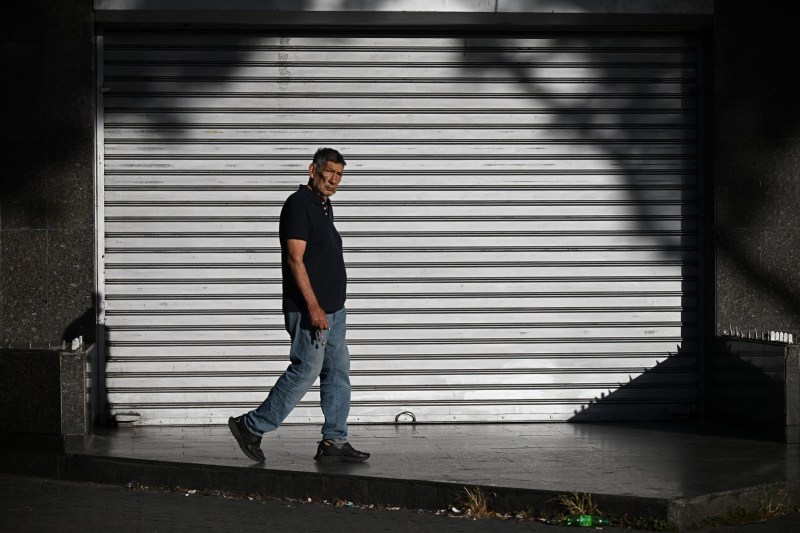
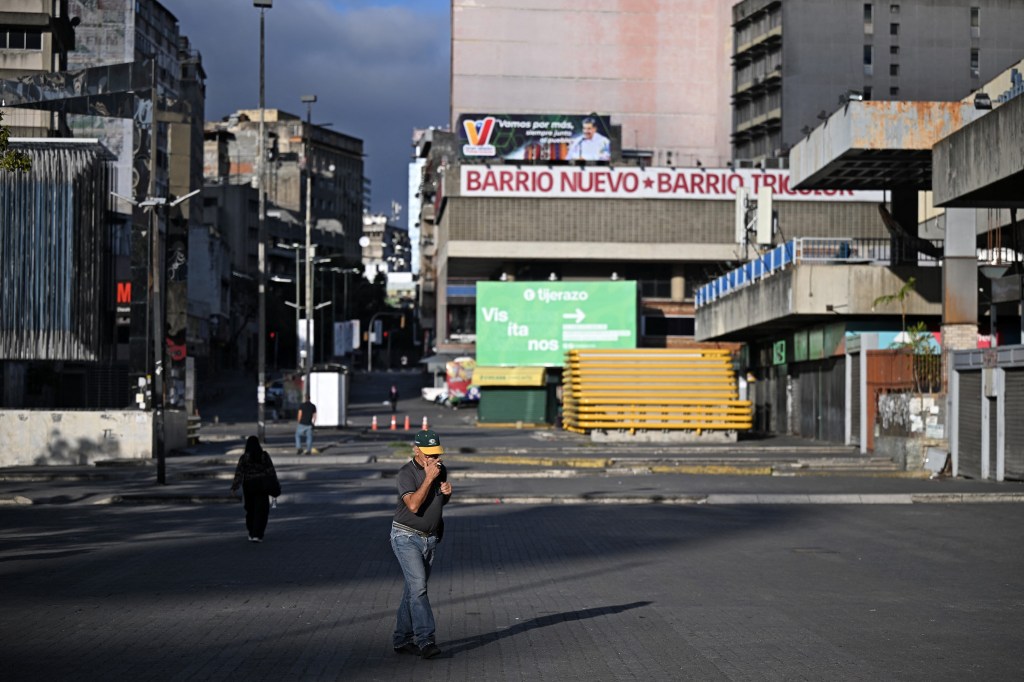
Man on a boulevard in Caracas, Sunday January 4. Photo: Federico PARRA / AFP / Profimedia
Venezuela is entering a new era, one of great uncertainty, following the capture and sudden ouster of Nicolas Maduro, who was the country's president for the past 12 years until Saturday's US military operation.
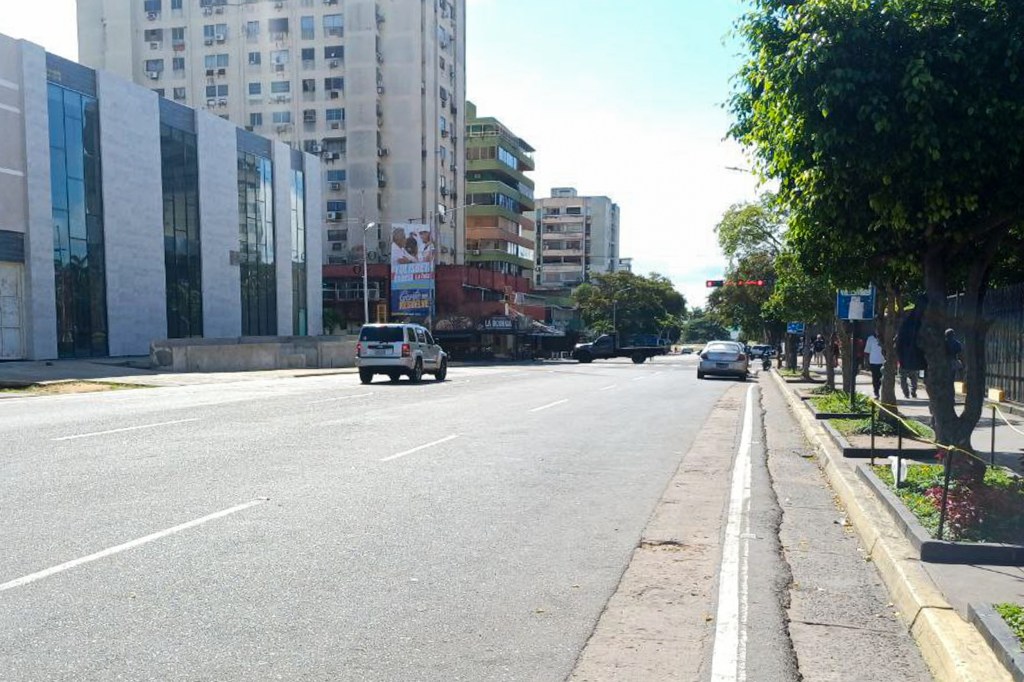
Amid widespread concern about what's to come, the streets of the capital Caracas and other cities are now quiet, according to CNN.
People leave their homes very little and security forces are on high alert. But the government-backed paramilitary groups, known as colectivos, were not seen on the streets.
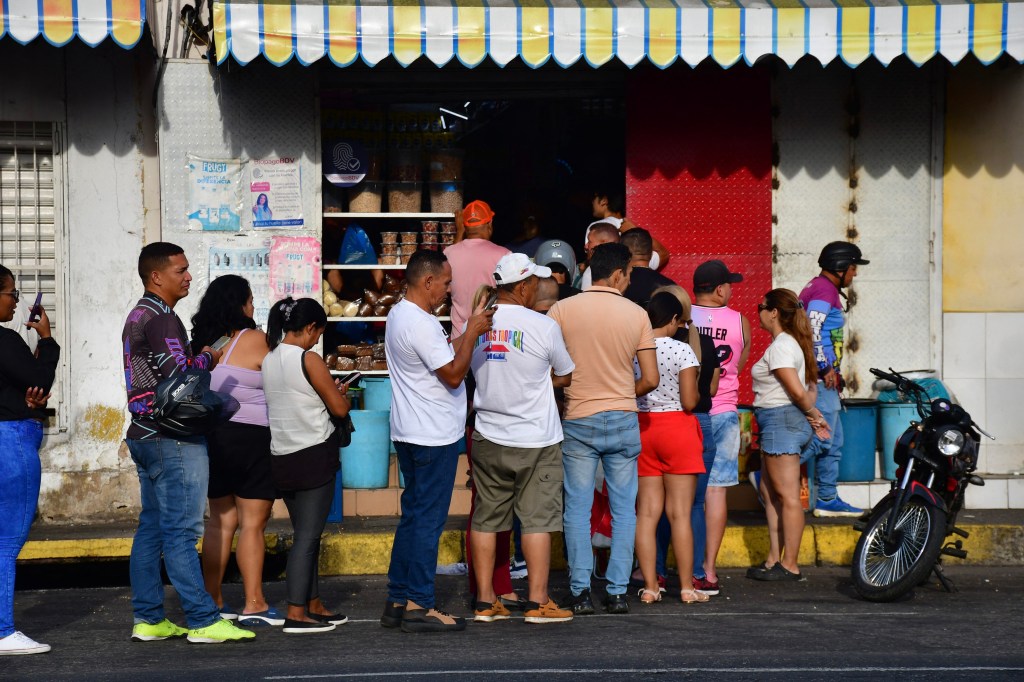
Those who have dared to leave their homes have only one priority: to stock up on basic products, in case there are clashes or looting in the capital. There are no signs of panic among those out shopping, but Venezuelans are used to stocking up in times of crisis.
“You can't hear anything on the streets but birdsong,” journalist Mary Mena told CNN on Sunday, noting that footage from there showed mostly empty streets but long lines at supermarkets and pharmacies.
Opposition supporters are secretly rejoicing
Opposition supporters are celebrating privately, but there have been no rallies in support of the US action. Mena said they will likely remain low-key unless opposition leaders can demonstrate they have the support of Venezuelan officials or military commanders.
A doctor in the capital, who declined to be named, said the army's role would be crucial.
“The position of the Venezuelan Armed Forces is fundamental. We have to wait and see how they will position themselves,” he said. He hopes for a rapprochement between the US and the Venezuelan opposition.
And Reuters writes that Maduro's opponents in Venezuela were reluctant to celebrate his ouster, even though the presence of security forces appeared thinner than usual on Sunday.
Despite the tense atmosphere, some bakeries and cafes were open and runners and cyclists were out as if it were a normal Sunday morning. Some citizens were stocking up on basic products.
“Yesterday I was very afraid to go out”
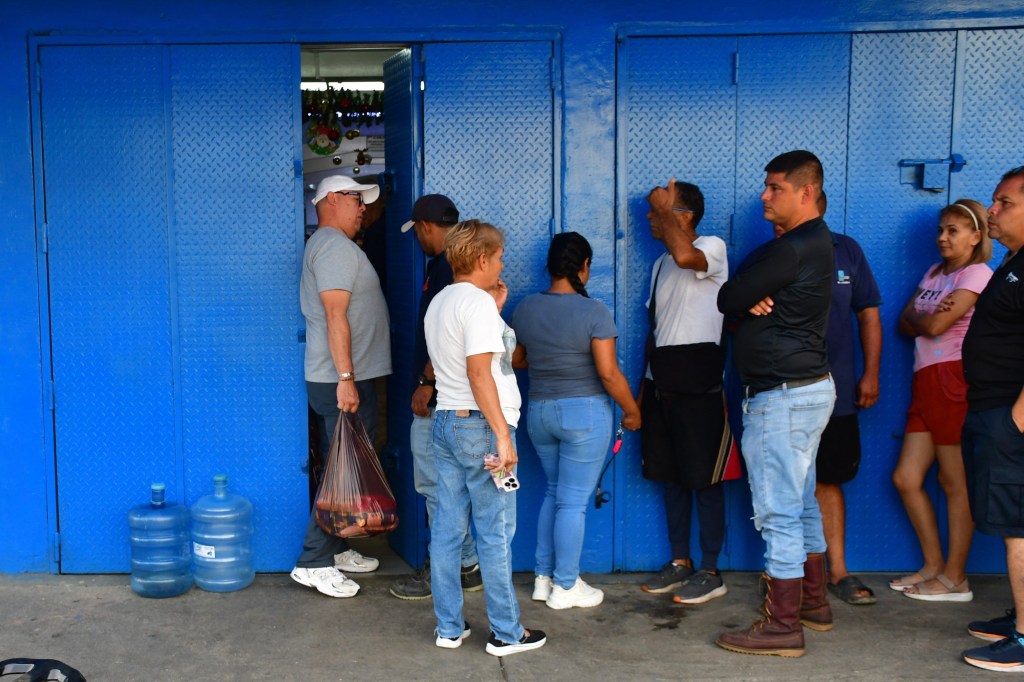
“Yesterday I was very afraid to go out, but today I had to. This situation caught me without food and I have to find a solution. After all, Venezuelans are used to enduring fear,” said a single mother in the oil city of Maracaibo, who said she had bought rice, vegetables and tuna. “If this is what it takes for my son to grow up in a free country, I will continue to endure fear,” she added.
The owner of a small supermarket in the same city said the store was not open Saturday after attacks on military installations in Caracas and elsewhere and after US special forces swooped in with helicopters to capture Maduro.
“Today we will work until noon because we are close to many neighborhoods. People have nowhere to buy food and we need to help them,” said the store owner.
To the dismay of Venezuela's opposition, Trump rejected the idea of 58-year-old opposition leader and Nobel Peace Prize winner Maria Corina Machado taking power, saying she did not have enough support.
Machado has not been allowed to run in the 2024 election, but has said his ally Edmundo Gonzalez, 76, who the opposition and some international observers say won the election by a landslide, has the democratic mandate to take over the presidency.