When will Romania be able to switch to the euro? Daianu: “Until we reach a 3% deficit, they won't even look at us. They would laugh at us”

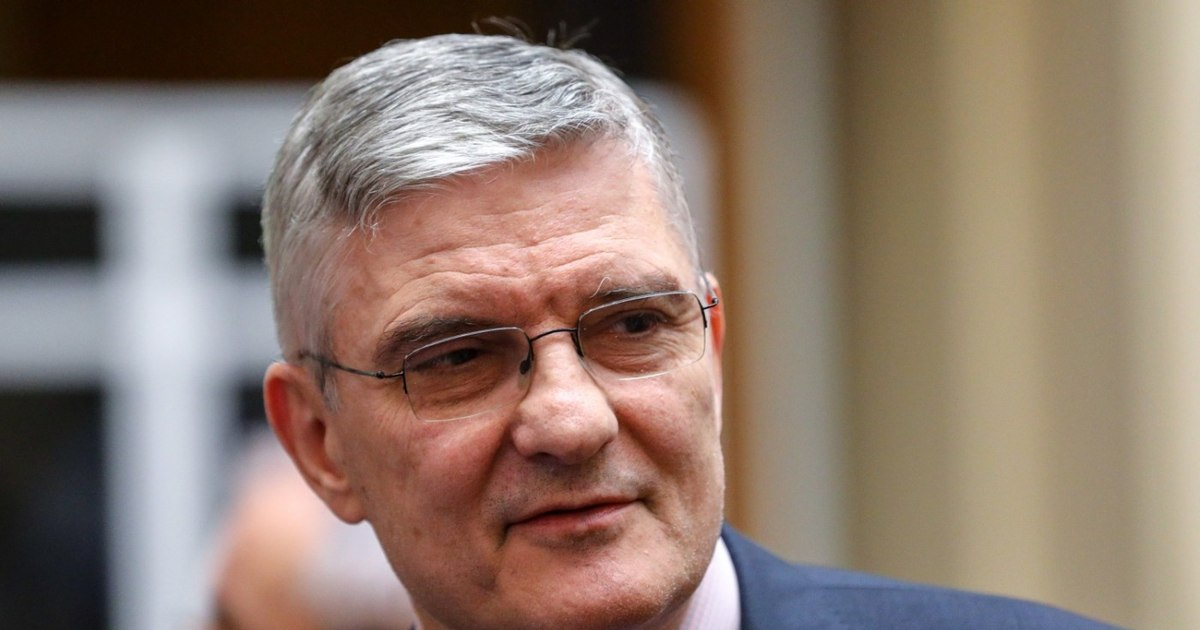
Bulgaria officially entered the euro zone on January 1, but Romania's path to the single currency remains blocked by harsh economic realities. Academician Daniel Dăianu intervenes in the debate opened by “Adevărul” and tempers the enthusiasm of taxation experts who see the euro as a magical solution for cheapening credits or disciplining politicians. The President of the Fiscal Council warns that Romania is not only unprepared due to the 8% deficit, but risks a dangerous trap: the loss of the monetary adjustment “weapons”.
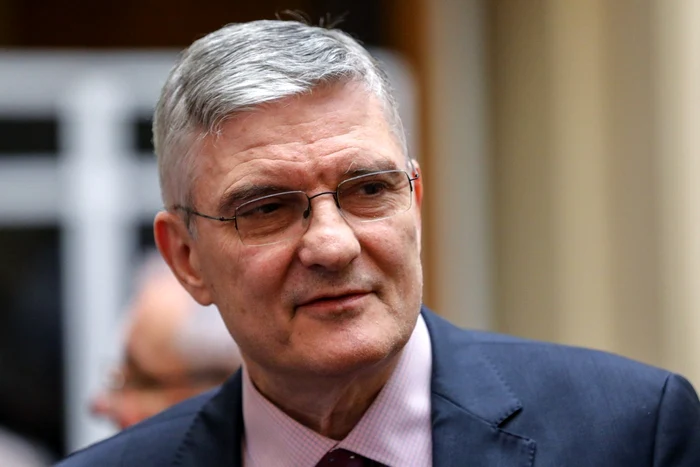
Daniel Daianu. PHOTO: Inquam Photos
Romania is formally obliged by the Treaty of Accession to the European Union to adopt the euro currency, but it currently does not have an assumed and credible calendar for entering the euro zone. Although the authorities have advanced several targets over time (2019, 2024 or 2029), none of them have been supported by the fulfillment of the necessary conditions.
At the moment, our country is not a member of the ERM II mechanism, the mandatory stage preceding the adoption of the euro, which requires maintaining the exchange rate in a stable range for at least 2 years. Entry into ERM II cannot take place without meeting the Maastricht convergence criteria, especially those related to price stability, budgetary discipline and the level of public debt.
The mirage of the euro shelter
For many, the Eurozone seems like a protective bunker in the face of global instability. Daniel Dăianu recognizes this value, especially in the current geopolitical context, but warns that entering this club with “homework not done” is impossible.
“The euro zone has a virtue: in times of war it is like a shelter. There is no currency risk anymore. Whoever is in the euro zone has no currency risk, he only has the risk of wrong economic policies, which can have an impact on yield differentials. But how can Romania enter the euro zone with deficits over 8%? They don't look at us. If we said tomorrow that in 2-3 years we are proposing, they would laugh at us.”, explained Daniel Daianu for “Adevărul”.
The academic emphasizes that the 3% threshold established by the Maastricht criteria is not a suggestion, but a condition sine qua non: “Until we reach 3%, they don't look at us. In vain they say 'let's enter'. You have to and you can.”
The case of Poland and the Czech model
While some cite the deficits of other member states (such as France or Italy) as an excuse for domestic slippages, Daianu explains the nuances behind the numbers. The academic offers the example of Poland, which allows itself large deficits for strategic reasons, and the Czech Republic, which chose stability outside the euro zone.
“Poland has made the most of its own monetary policy, because the large budget deficit is mainly caused by military spending. Poland spends 5% of GDP. If we spent as much as the Poles spend, we would have a deficit of 12%.”, emphasized the president of the Fiscal Council.
On the other hand, thoughtfulness is the watchword in Prague:
“The most eloquent example is the Czech Republic. It is not in the Eurozone, it has small deficits and reasonable public debt. It is the Switzerland of Central and Eastern Europe.”, says Daniel Daianu.
The trap of losing monetary instruments
Joining the euro does not only mean stability, but also giving up one's own economic “weapons”: exchange rate policy and monetary policy. For an economy still struggling with structural reforms, this loss can be fatal.
“Living is not easy in the euro zone, because you no longer have a monetary policy. You cannot depreciate your own currency, you have to be very economically sound. It is a broad discussion and it is beyond the reach of pseudo-economists. For a small and open economy, the room for maneuver is limited.”, emphasized the president of the Fiscal Council.
What are the big savings hiding?
Dăianu also attacks the simplistic verdicts regarding corruption or the crisis of the pension system, showing that structural problems are universal, but in the euro zone they are often “cosmeticized”.
“These verdicts do not stand up to empirical and theoretical analysis. You can no longer hide what cannot be hidden. These hidden liabilities have always been hidden by the Italians, the French, and the Greeks. Being in the euro zone, they are hidden. The crisis of the pension assistance system is everywhere in the world, not only in Romania“, Daniel Daianu pointed out.
Regarding corruption and the informal economy, the academic points out the local specifics:
“Do we have more corruption? Yes. But it is difficult to measure, because we have a more extensive informal economy, and a larger rural economy sector“, concluded the president of the Fiscal Council.