Seven “well-intentioned” expressions from parents that can cause anxiety in children. What should be said, actually


The desire of parents and grandparents to protect their children is natural and deeply human, but psychologists warn that some seemingly harmless expressions, frequently used in education, can have unwanted effects on children's emotional development. Experts say these “nice” phrases, spoken out of care and love, can amplify anxiety and discourage healthy risk-taking, which is essential for building emotional resilience.
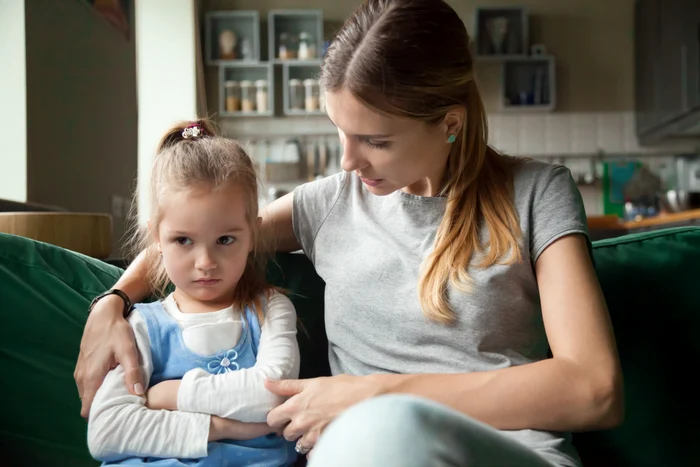
Psychologists warn that some expressions can affect children emotionally. PHOTO: Shutterstock
“The need to protect our children comes from love, attachment and the desire to protect them from any danger or suffering. When we constantly warn them or try to quickly dispel their fear or sadness, we feel like we are good and caring parents.” explains psychologist Amy Todey quoted by parade.com.
However, she and other psychologists point out that these reactions can send children the message that the world is a dangerous place and that difficult emotions should be avoided, not understood. Over time, children can become more fearful, insecure and less willing to take on age-appropriate challenges.
The seven “beautiful” expressions that can create anxiety
1. “Be careful!” – Although it is a reflex reaction, constantly repeated, this expression can make children think that danger is everywhere. “Children look to adults to understand if a situation is safe. Constant warnings can make them anticipate danger even when there is none.” explains Dr. Todey. Recommended alternative: “I'm here” or “Be careful where you step.”
2. “Don't worry, everything will be fine”
Psychologist Dale Atkins warns that this wording can invalidate a child's emotions. The child may feel that they are not allowed to be scared or worried, which leaves them confused and alone with their emotions.
3. “I know you'll be fine”
While expressing confidence, this phrase can create pressure. Children may interpret that they must succeed in order not to disappoint, which increases their anxiety about failure.
4. “I'm proud of you when…”
Praise contingent on results or performance can convey the message that appreciation is due “earned”. “Kids come to believe that their worth depends on what they do, not who they are”says Dr. Janine O'Brien.
5. “I just want you to be happy”
Although it seems pressure-free, this phrase can cause children to hide negative emotions. “Many teenagers say it's tiring to always look happy in front of their parents,” explains Dr. Cameron Caswell.
6. “You're My Whole World”
Specialists warn that this statement can put a great emotional burden on the shoulders of the child, who ends up feeling that he has to be perfect in order not to disappoint.
7. “Be good”
Children may perceive this message as a conditioning of personal behavioral value, not as an invitation to authenticity.
The phrase that children need the most
Instead of these expressions, psychologists recommend a simple but extremely powerful wording:
“I'm here with you.”
“Kids aren't looking for perfect solutions, they're looking for connection and emotional safety. This phrase lets them know they're not alone, that their emotions are valid, and that they can deal with the moment.” explains Dr. Janine O'Brien.
According to experts, the message helps children regulate their emotions, build self-confidence and learn that they can get through difficult situations without feeling wrong or inadequate.