PSYOPS, information and influence. NATO is strengthening its psychological operations capabilities

Psychological operations, known by the acronym PSYOPS, are increasingly considered an essential element of modern defense within NATO. In the context of the transformation of the security environment and the increase in the importance of the information space, several member states are investing in the development of structures capable of influencing perceptions, behaviors and decision-making processes, both in peacetime and in conflict situations.
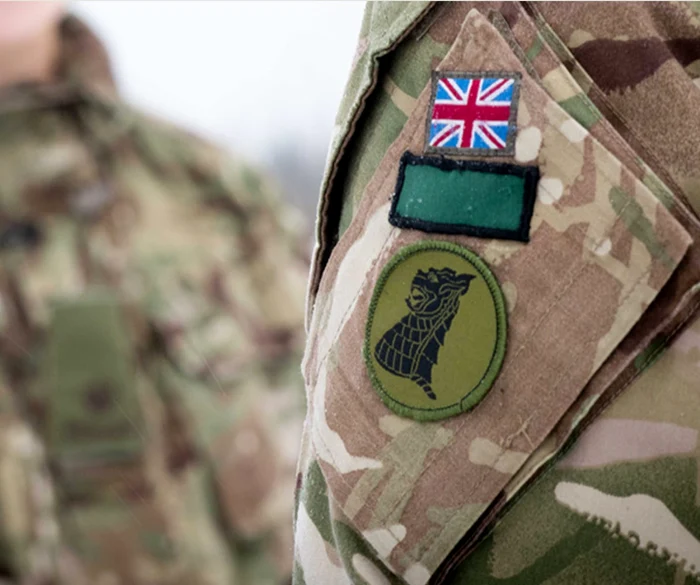
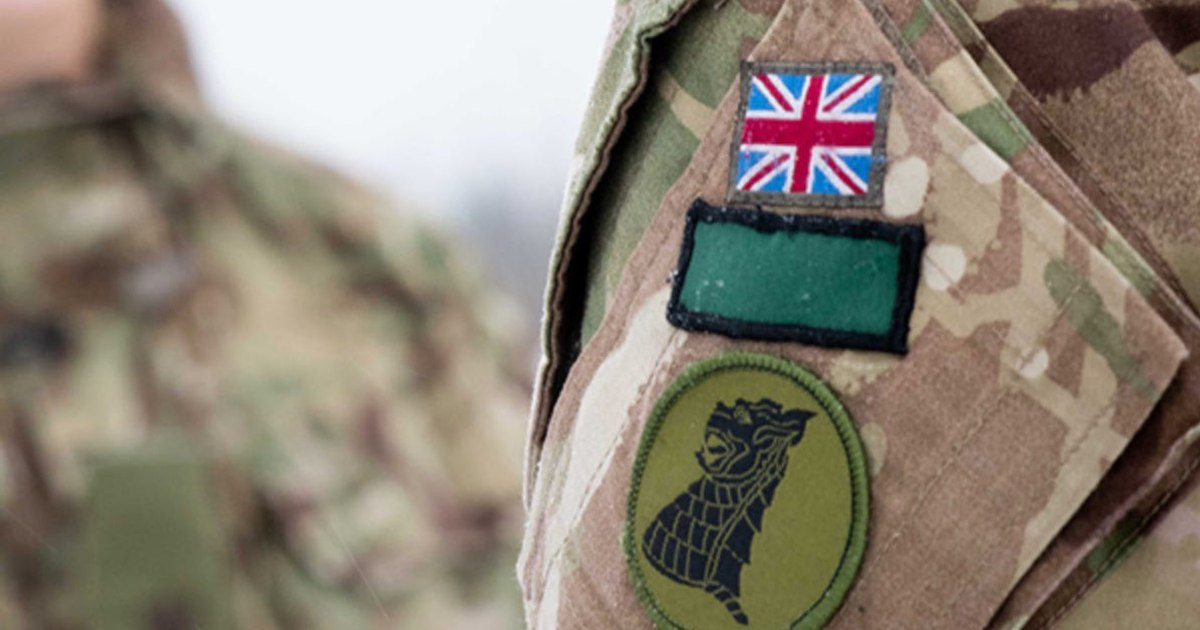
The 77th Brigade of the British Army, specialized in “information operations”/PHOTO:X
Specialists point out that these capabilities do not operate in a vacuum. They are influenced both by the activity of allies and by the actions of potential adversaries. Inside NATO there is already a group of states with long experience and well-developed structures in the field of PSYOPS, including the United States, Great Britain, Germany, France and Italy, writes defense24.com.
United States: From PSYOPS to 'Psychological Warfare'
The United States has the most extensive resources in this area. The US military, especially the ground and special operations forces, has over time developed structures dedicated to military information support, known today under the broader term of “psychological warfare” (PSYWAR).
According to official descriptions, personnel selected for such missions must demonstrate advanced analytical skills, adaptability, psychological resilience and a good understanding of the language, culture and social environment of the areas of operations. Activities include analyzing target audiences, planning messages, using traditional and digital communication channels, and evaluating their impact.
The experiences gained in conflicts such as the Gulf War, the interventions in Iraq and Afghanistan or older operations in Latin America have contributed to the continuous adaptation of American doctrine. In 2024, the US military reactivated a school dedicated to training psychological warfare personnel, emphasizing the long-term importance of this type of capability.
Germany: operational communication under strict control
Germany's approach is more cautious, reflecting historical sensitivities and the strict political framework of civilian control over the military. PSYOPS capabilities are integrated into “operational communication” structures, coordinated by the Bundeswehr's Center for Operational Communication.
Their role is to analyze the information environment in troop deployment areas and to communicate with the local population through written materials, audio, video and online channels. The emphasis is on information, countering disinformation and maintaining troop morale, including through military radio and TV channels. Although more discreet, Germany's contribution is considered one of the most important within the European NATO.
Italy: the integration of information, intelligence and electronic warfare
In Italy, the core of PSYOPS capabilities is represented by the 28th “Pavia” Regiment, part of the Tactical Intelligence Brigade. The structure is designed to integrate psychological operations with intelligence, electronic warfare and operational communications.
The Italian forces are prepared to use both classic means of communication – press, radio, television – and modern digital platforms. Rome emphasizes the synergy between information and cognitive warfare, but provides few public details about the specific activities of these units.
France: influence as a strategic tool
France treats influence operations as a strategic pillar of defense. The concept is integrated into a broader vision of the information space, considered a field of confrontation in itself.
Within the armed forces, a central role is played by the Interarm Center for Actions on the Information Environment (CIAE), which operates at tactical, operational and strategic levels. The objective is to analyze the human and information environment, influence perceptions and train military personnel in the field of information warfare. French authorities talk openly about the ability to “win a conflict before it starts” through influence and control of narratives.
United Kingdom: Hybrid Information Operations
In the UK, primary responsibility rests with 77 Brigade, which specializes in “information operations”. The unit is made up of active-duty military and reservists with diverse skills ranging from intelligence analysis and strategic communications to media production and social media monitoring.
The British military emphasizes that success in the information space depends on close integration between influence operations and intelligence structures. The 77th Brigade supports both national missions and allied operations, including through tactical PSYOPS teams deployed in foreign theaters of operations.
A paradigm shift within NATO
Experts agree that the development of PSYOPS and information warfare capabilities has become inevitable in the current context. Modern conflicts are simultaneously military, informational, and cognitive, and influencing perceptions can have decisive effects, often at relatively low cost.
However, the level of training differs considerably between NATO states. Effectively integrating PSYOPS with intelligence, cyber defense, civil-military relations, and special operations remains a major challenge. But more and more militaries are recognizing that adapting mindsets and investing in this area is critical to future security.