“The Chinese are getting more and more aggressive.” Why China's ambition to control the Arctic opens an alarming route to the United States

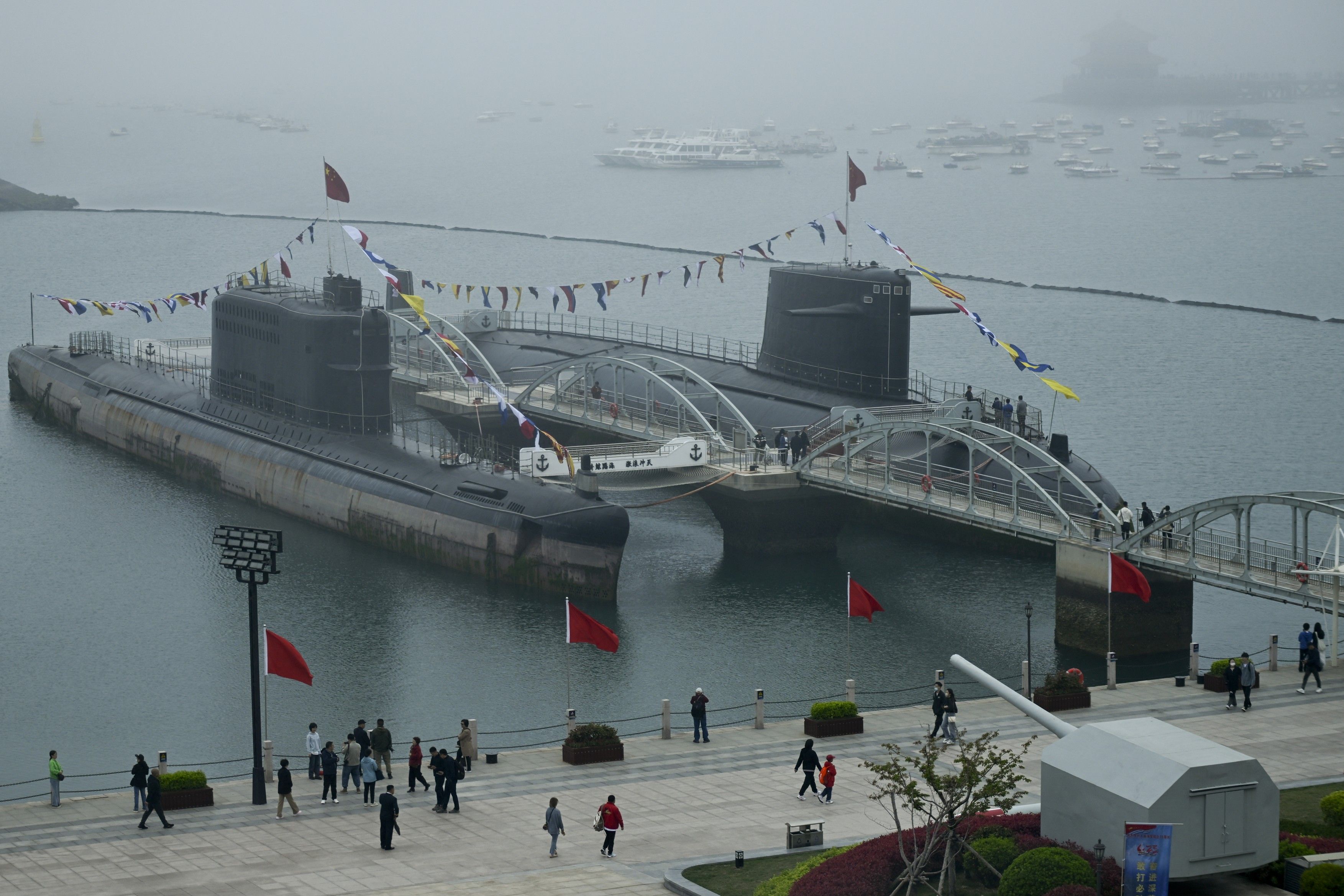
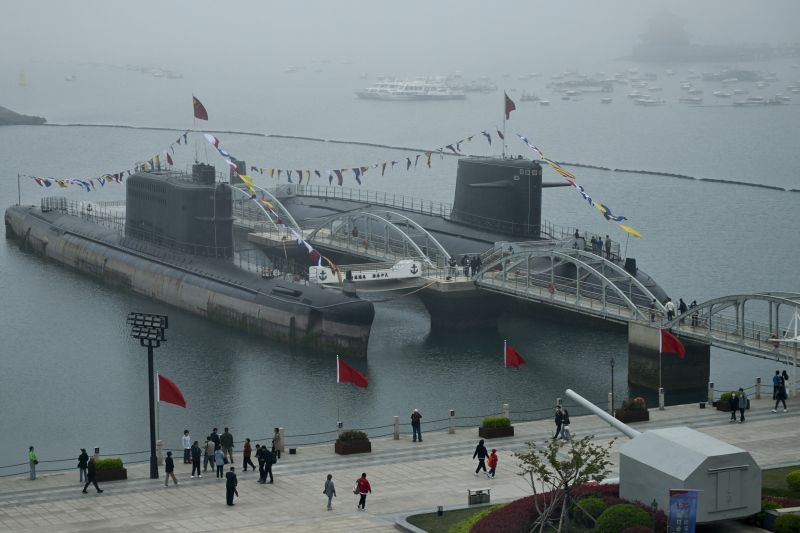
Chinese submarines (photo WANG Zhao / AFP / Profimedia)
Chinese submarines and icebreakers have been reaching further into the Arctic region, making research expeditions around the waters around Alaska as well. For the US, the threat to national security is becoming more pressing, US officials say, according to the Wall Street Journal.
The Chinese are coming undercover further north
Chinese research submarines have reached thousands of meters below the Arctic ice for the first time in the summer of 2025, a technical achievement with worrisome military and commercial implications for America and its allies, a Wall Street Journal analysis shows.
Last year, Chinese military and research vessels operated around Alaska's Arctic waters in unprecedented numbers, US Department of Homeland Security data show.
“The Chinese are getting more and more aggressive” in the Far North, says US Air Force General Alexus Grynkewich. He adds that the Chinese ships come under the cover of so-called research missions, when in fact they have military tasks.
China has declared itself a “near-Arctic power”, an informal label by which Beijing hopes to join the US and Russia. China's Foreign Ministry says its activities in the Arctic are reasonable and legal, “contributing to maintaining and promoting peace, stability and sustainable development in the region.”
Beijing sees future sea routes through the Far North as a shortcut to global trade, the so-called “Polar Silk Road”. This summer, China sent a cargo ship to the Polish port of Gdansk, bypassing the North Pole, a route twice as fast as the classic Suez Canal route. Chinese officials said at the time that they planned to expand trans-Arctic freight with Russia, with liquefied natural gas imports key.
After several years of development, China launched its first domestically built icebreaker with Finnish help in 2019. In 2024, it designed and put into service, in just ten months, the first icebreaker designed entirely in China, an achievement that caused concern in the Arctic countries.
The fear of increasingly powerful military submarines
US analysts, cited by the WSJ, say the data collected by China during Arctic explorations north of Alaska and Greenland is not only aimed at studying climate change, as reported by Beijing's state news agency, but also at training the Chinese navy, which operates relatively noisy submarines that are easily tracked by US forces.
The US and its allies expect Beijing to be able to send war submarines to the North Pole within a few years. China already has surface ships with military capabilities in the Arctic region and is expanding its fleet of icebreakers.
The US and NATO allies are ramping up troop training for the Arctic in response to new threats. President Trump struck a shipbuilding deal with Finland to expand the U.S. icebreaker fleet and pressed Denmark to strengthen its defenses around Greenland, the WSJ writes.
Beijing maintains that its commercial and research vessels in Arctic waters come for peaceful purposes. but that was only true until recently, explains Rob Bauer, a retired Dutch admiral who until recently was one of NATO's top military officials.
Beijing, in addition to joint air patrols with Russia, is now sending frigate-like coast guard ships to the Alaskan area, he said. “They're basically warships, but they're painted white,” Bauer explained. China's objective is to gain a military advantage, not coastal security. As more ice melts in international waterways in the Far North, the same shortcuts used by merchant ships could allow China's navy to reach the Atlantic more quickly.