One of the most influential economists of his generation. He held key positions in the global financial system: Vice Chairman of the US Federal Reserve (2014-2017), Governor of the Bank of Israel (2005-2013) and First Deputy Managing Director of the International Monetary Fund (1994-2001).
As an MIT professor, he educated many influential monetary policy leaders, including Ben Bernanke (chairman of the Fed) and Mario Draghi (president of the European Central Bank). In 1998, The New York Times called him “the closest thing the world economy has to an emergency room doctor,” describing how during the financial crisis he negotiated a rescue package for Russia by making telephone calls from the dunes on Martha's Vineyard.
David H. Murdock (1923–2025) David H. Murdock
|
Neshan H. Naltchayan / Wikimedia Commons
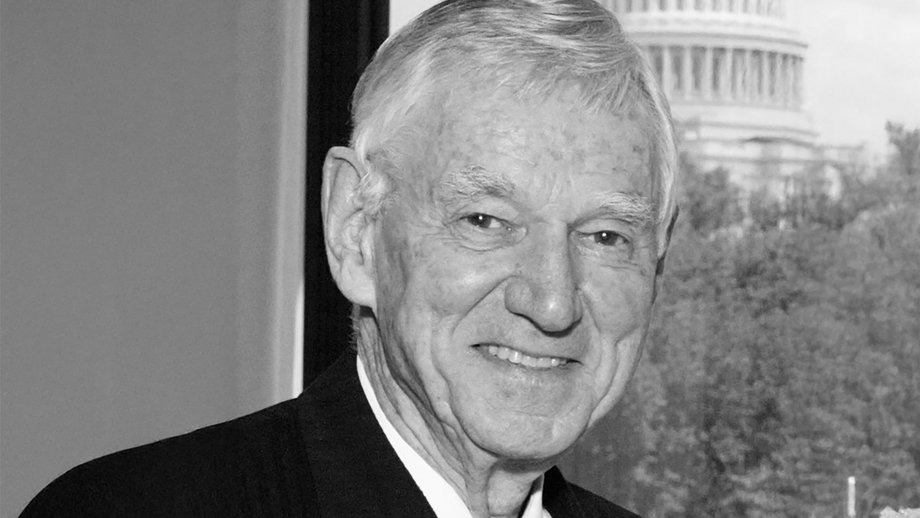
Long-time owner of Dole Food Company. He finished his education in the ninth grade, and before building one of the largest food empires in the world, he experienced homelessness. In 1985 he acquired Castle & Cooke along with Dole Food Company, transforming it into a global producer and distributor of fresh fruit and vegetables. After the death of his wife, who lost her battle with cancer, he established the Dole Nutrition Institute and became involved in the promotion of a healthy lifestyle and a plant-based diet. He repeated that he saw no reason not to live to be 125. He died at the age of 102.
Frederick W. Smith (1944–2025) Frederick Smith
|
Alex Wong / Staff / Getty Images
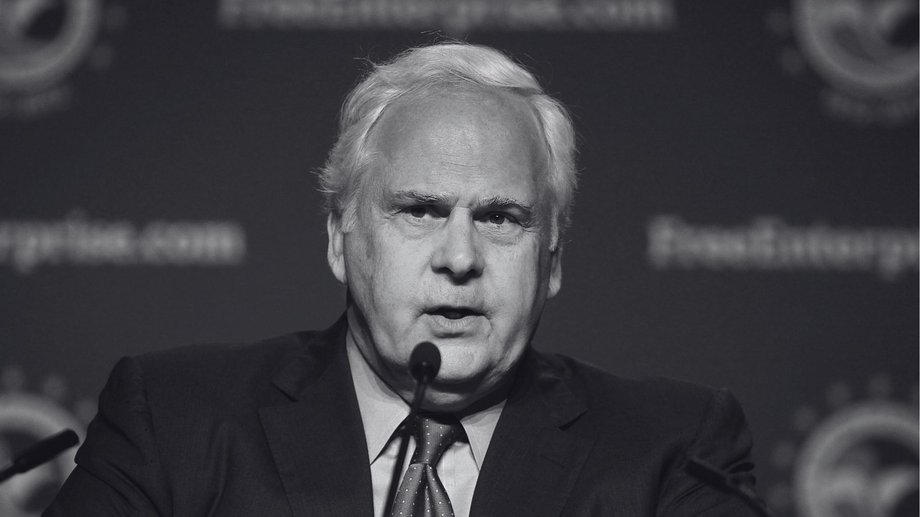
Founder of FedEx and one of the architects of modern logistics. Before entering business, he served as a U.S. Marine Corps officer in Vietnam. His experience in military logistics inspired him to create an “overnight” delivery model, which permanently changed global trade.. From a small courier company, he built one of the most important logistics networks in the world, creating the infrastructure necessary for the development of modern e-commerce.
Stephanie “Steve” Shirley (1933–2025) Stephanie Shirley
|
Lynn Hart/Wikimedia Commons
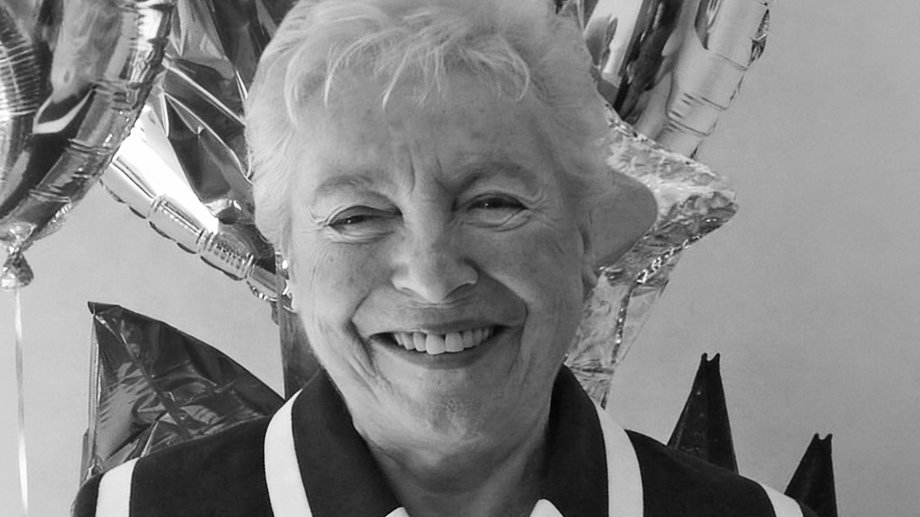
A pioneer of the British IT industry and one of the first entrepreneurs in technology, also known for her philanthropic work in support of autism research. In 1962, with a capital of just six pounds, she founded Freelance Programmers.
To break down barriers in the masculinized world of business, she signed her correspondence with the name “Steve”, which – as she admitted – significantly increased her effectiveness in arranging meetings. It employed almost exclusively women, offering them flexible hours and remote work, decades before it became standard. In 1991, she transformed the company into employee ownership, making several dozen millionaires.
Giorgio Armani (1934–2025) Giorgio Armani built a fashion empire, which he owned fully until the end of his life
|
DELBO ANDREA / Shutterstock
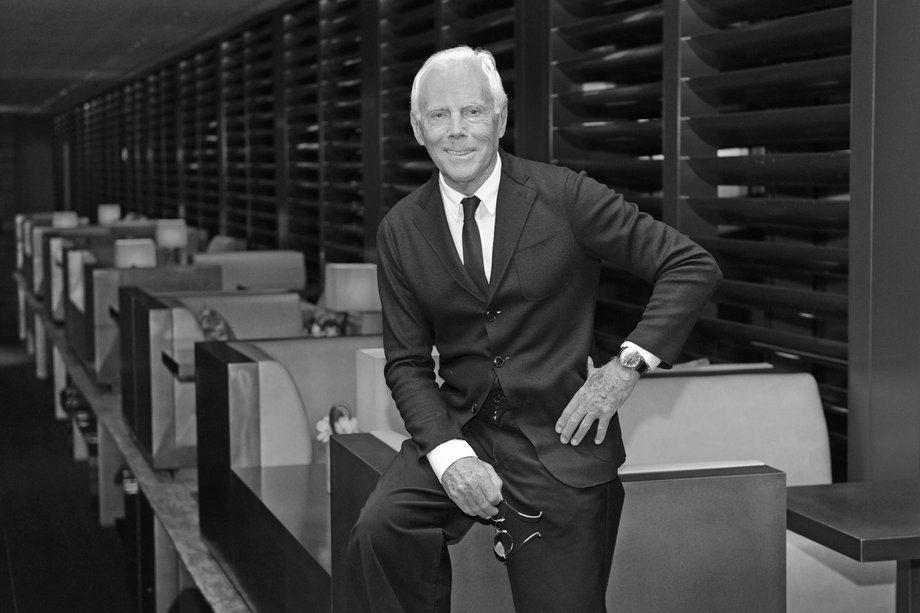
The creator of one of the last independent luxury fashion empires. He revolutionized men's style by introducing the “soft jacket” construction. He built an empire spanning fashion, cosmetics, hotels and luxury real estate. He remained the full owner of his company until the end of his life, consistently rejecting takeover offers from large conglomerates such as LVMH and Kering..
Read also: “The king is dead.” The Italian press comments on the death of Giorgio Armani
Doug Lebda (1969–2025) Doug Lebda
|
Steve Jennings/Getty Images
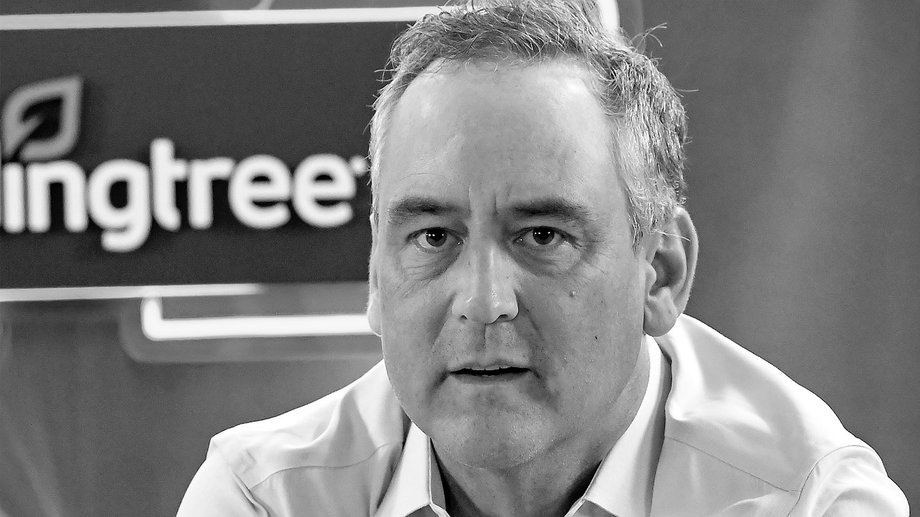
Founder and long-time head of LendingTree, one of the pioneers of digital finance in the United States. In 1996 – after his own frustrating experience getting a mortgage loan – he launched the CreditSource USA platform, which quickly evolved into LendingTree.
He created a model of an online credit comparison website, connecting consumers with hundreds of financial institutions, without directly granting loans. This solution permanently changed the way of comparing financial offers and became a model for modern fintech platforms.
Read also: The credit tycoon is dead. He left behind five business pieces of advice
Maciej Adamkiewicz (1966–2025) Maciej Adamkiewicz
|
Andrzej WRZESINSKI/East News / East News
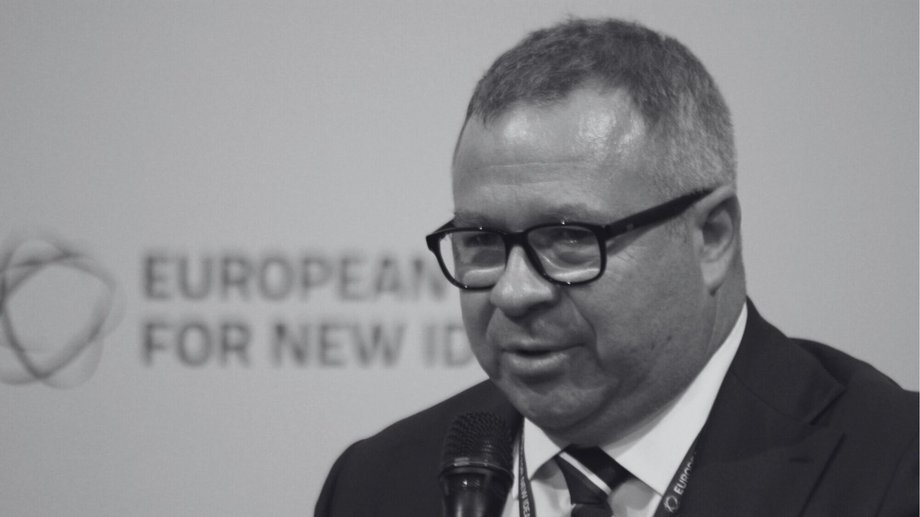
Co-owner and long-time president of Adamed Pharma, one of the key figures in the Polish pharmaceutical sector. A surgeon by profession. He developed the family company together with his father, Marian Adamkiewicz, and in the late 1990s he gave it a new direction. A breakthrough moment occurred in 1998, when Adamed developed a patent for the production of amlodipine – a substance included in the drug for hypertension. Since then, the company has been building a position based not only on the production of generic drugs, but above all on its own research and development.
Barbara Komorowska (1945–2025)
Co-founder of Bakoma and one of the most influential women in Polish business after 1989. A graduate of the Warsaw University of Life Sciences – SGGW, who, together with her husband Zbigniew, built the family business from scratch – from agricultural production and processing to industrial scale and export. In 1997, the company gained 25 percent. Polish yogurt market, taking second place after Danone.
Barbara Komorowska was also the main shareholder of the BZK group, which included, among others, Polskie Młyny, Komagra, Bioagra-Oil and BZK Alco. In wealth rankings, she was listed among the richest Polish women. The co-founder of Bakoma was an extremely private person, she rarely appeared in the media and avoided the spotlight. (hence no photo).
Gopichand Hinduja (1940–2025) Gopichand Hinduja
|
GettyImages
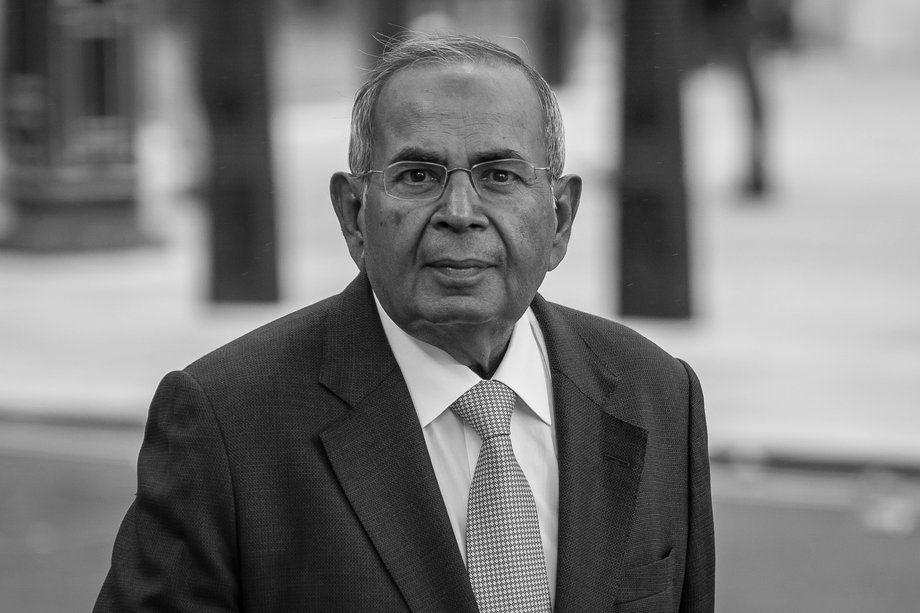
Long-time chairman of Hinduja Group – a private, family-owned conglomerate with a global reach, operating, among others, in banking, energy, automotive (Ashok Leyland) and IT. Under his leadership, the British-Indian group became one of the largest private holdings in the world, and the Hinduja family for years occupied leading positions in the British Sunday Times Rich List, being considered one of the richest in Great Britain.
Leszek Gierszewski (1950–2025) Leszek Gierszewski
|
Marek Wisniewski/Puls Biznesu/FORUM / Forum Polish Photographers Agency
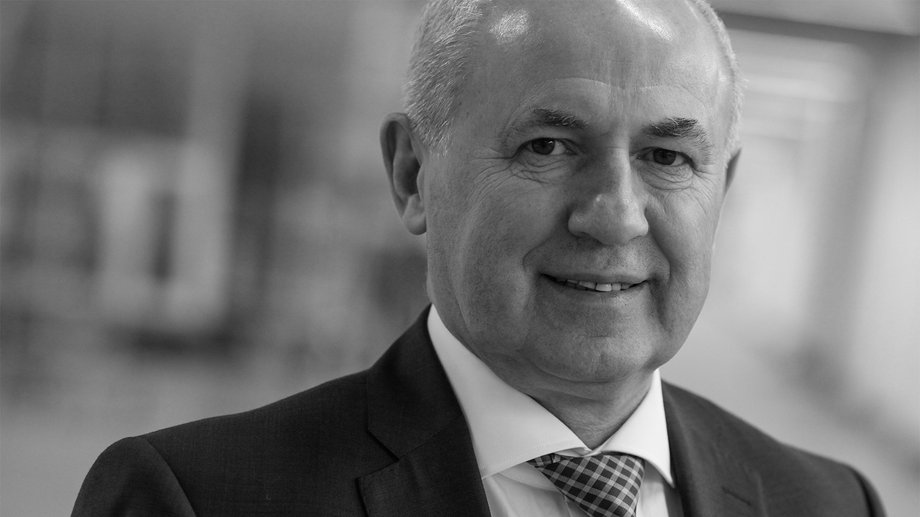
Founder of Drutex and one of the most consistent builders of Polish exports. He started with the production of ceramic pots. In 1985, in Wiklino, he established a plant producing fencing nets, wires, nails and sheet metal roofing tiles. In 1991, he moved the plant to his hometown of Bytów and changed its name to Drutex.
From a local plant, he built a leading window manufacturer in Europe, employing over four thousand people. people and exporting to over 40 countries on six continents. In the Forbes 2025 ranking, he took 22nd place among the richest Poles with a fortune exceeding PLN three billion.
Read also: The Polish billionaire will spend millions of euros to sponsor Bayern Munich. “We want and we can”
Louis V. Gerstner Jr. (1942–2025) Louis V. Gerstner
|
Jemal Countess/Stringer/Getty Images
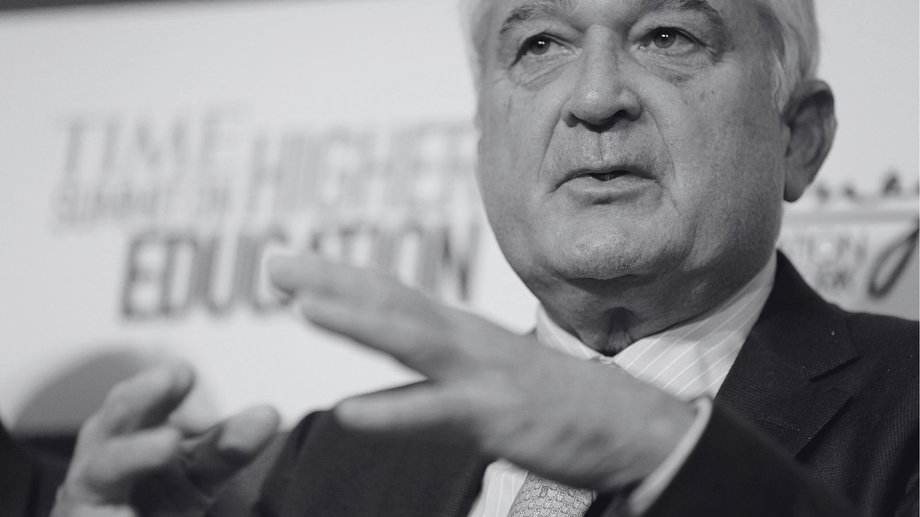
Former president of IBM, considered one of the greatest managers of the 20th century. He took over the management of the company on April 1, 1993, as the first CEO from outside IBM, when the company was listed jointly $13 billion in losses within two years. He carried out one of the most successful corporate transformations in history, shifting the company from hardware production to IT services and solutions, which saved the giant from collapse. He described his experiences in the book “Who Says Elephants Can't Dance?”, now considered a classic of business literature.