Former Mossad Chief Breaks His Silence: What Yossi Cohen Says About Iran, Putin, Netanyahu and Shadow Games

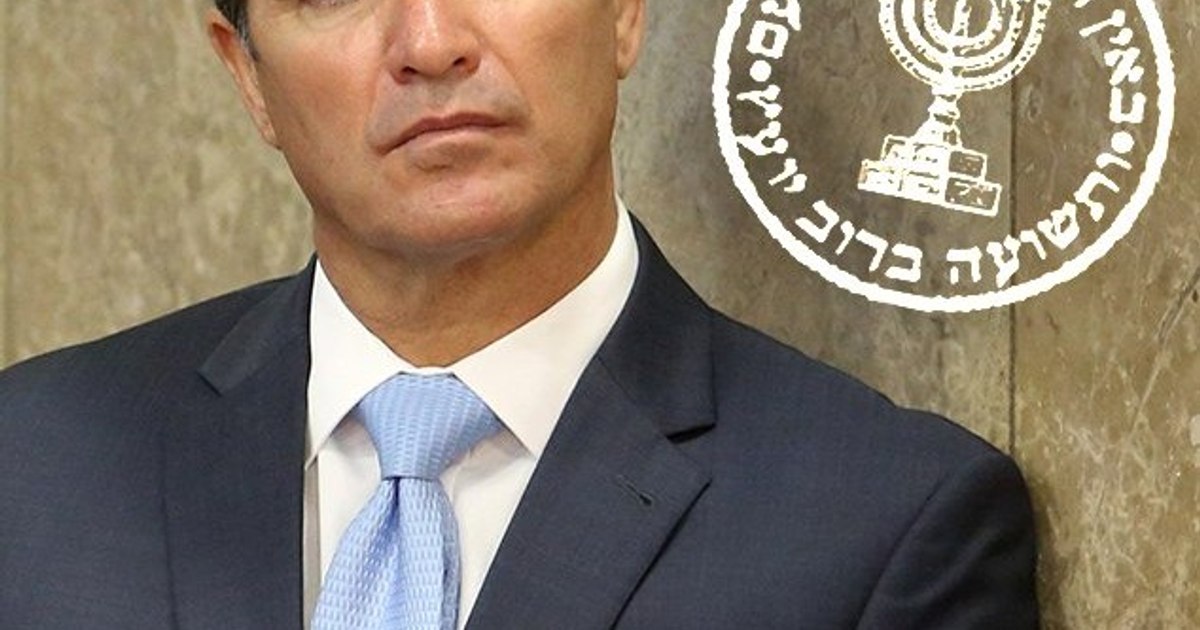
There are still many things about Yossi Cohen that cannot be said publicly. The former Mossad chief remains, by definition, a figure of gray areas, fragmented information and half-truths. And yet, with the publication of his September volume, The Sword of Freedom, Cohen opens the door to his personal, professional and political universe more than ever.
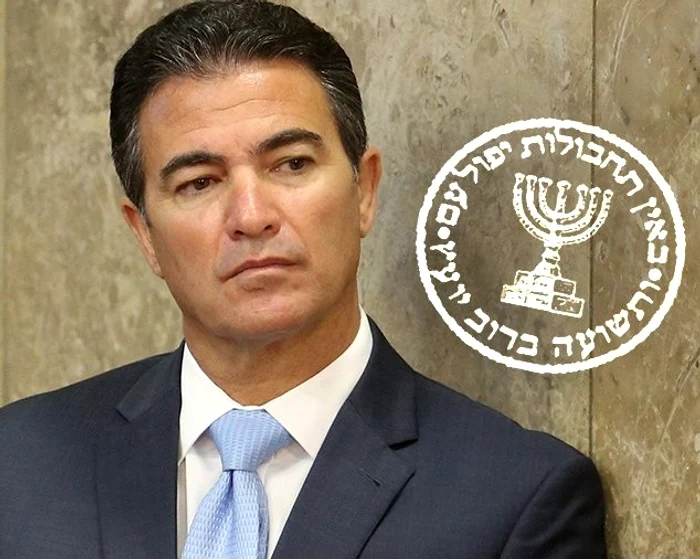
Yossi Cohen, former head of Mossad/FOTO:X
The book provides a clearer picture of his way of thinking, his relations with world leaders and the key operations carried out by the Mossad, but also his political ambitions – a sensitive subject, long avoided, but impossible to ignore.
What emerges most prominently is Yossi Cohen's authentic “voice”. Clearer, firmer than in televised interviews or rare public appearances. Within the pages of the book, his almost boundless confidence becomes apparent. Statements such as “you must know everything” or “ignorance is not acceptable” are not common even among secret service chiefs, who are usually used to tempering their certainties with caution.
Over the years, in private conversations, Cohen often surprised by the confidence with which he spoke about Israel's ability to stop Iran's nuclear program. For him, it was never a question of “if” but of “how much risk” and “how many operations” are required. Had it not been for the concrete results achieved under his leadership, such confidence would have seemed haphazard. But his record in fighting Tehran's nuclear ambitions has cemented his reputation, the Jerusalem Post writes.
At the same time, Cohen is also known for his temper. Charismatic, an excellent recruiter, able to quickly create a personal connection, he could, however, become harsh and intimidating in seconds. A trait he also explains through his experience as a coordinating officer, where mistakes or indiscipline could cost lives.
The relationship with Netanyahu
The same harshness manifested itself in the relationship with Israeli political leaders, including Prime Minister Benjamin Netanyahu. If at first Cohen avoided even mentioning his name, tensions gradually increased: the refusal to give him the Iranian portfolio, Netanyahu's return to power without making room for him, the ignoring of warnings about judicial reform and, finally, the handling of the October 7 crisis and the hostage negotiations.
Cohen's public criticism of the prime minister is moderate compared to what he says privately. Some are deeply ideological – opposition to massive exemptions from military service or to judicial reform – others are inevitably personal. Netanyahu had once pointed to him as a possible successor. Cohen, meanwhile, believes the Likud leader has dragged the party and the Israeli right into political decline.
Hence the question that persists: will Yossi Cohen enter politics? There were favorable moments – promising polls, alliance scenarios – but missed either through excessive caution or miscalculations. Today, nearly five years after his retirement from the Mossad, his public aura is no longer as strong, and the political scene has been occupied by other figures.
Cohen claims that he never firmly decided to enter politics. What is certain is that, for now, his charisma and experience have not turned into real political leverage. He may wait, accept a government role without entering the Knesset, or give up political life altogether. The right time, which he writes about in the book, may have already passed.
Mossad hijacked Iran's nuclear archive
However, the volume also brings operational revelations. The most spectacular remains the detailing of the 2018 operation, when the Mossad stole Iran's nuclear archive. Cohen describes a complex intelligence puzzle: human sources, air and ground surveillance, intercepts, tracking shipments. Not an informational “golden bullet”, but a meticulous construction. It also reveals that the operation was sped up due to an imminent archive move and delayed at the last minute by the field commander.
The book also traces Cohen's transformation from student in London to master of espionage. The initial tests, the missions meant to fail, the constant pressure – all had one purpose: the formation of operational thinking. “Everything is a risk, from the moment you leave Ben Gurion Airport until you return home,” he writes.
As a case officer, Cohen specialized in HUMINT – the recruitment and manipulation of human sources. A process he describes as a discreet, dangerous court, sometimes doomed to failure. In this world, the rule is simple: “If you're in the Mossad, you're my colleague. If you're outside, you're my enemy.”
A separate chapter is dedicated to relations with world leaders. Cohen praises Donald Trump, whom he considers an “unconventional peacemaker” and reveals that he was on a mission at his personal request. He speaks more reservedly about Barack Obama and Joe Biden, evoking differences, but also mutual respect.
About Vladimir Putin, the portrait is dual: an intelligent, calculated leader, a “great chess player”, but also the author of a “ruinous” war in Ukraine. Cohen explains this ambivalence through realpolitik: Russia is a key player in the Middle East, and Israel cannot afford to break bridges.
The Sword of Freedom is essentially a journey behind the scenes of the secret services, but also a confession about power, hubris and limits. What chapters Yossi Cohen will write remains to be seen. What is certain is that his shadow continues to hover over Israel's politics and security.