When a tire wears out, you take it to a repair shop where it is thrown away and replaced with a new one. The used tire is usually recycled.
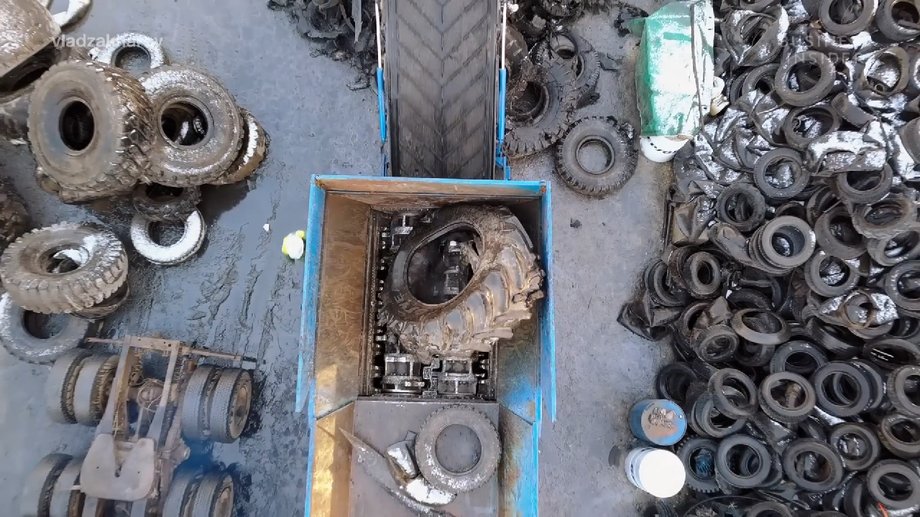
It is shredded and chemically broken down to be used as a building material on streets or in parks. Some companies focus on a different type of recycling.
For years, companies like Marangoni have been collecting tires, replacing the old tread (the rubber that contacts the road) with a new one in a process called “retreading.”
Read also: Overload breaks pilots' spines. This is how catapulting works [WIDEO]
How are recycled tires made? The process may surprise you
|
Business Insider
These tires are not only easier to produce – they typically use 20 percent. energy needed to produce a new tire – but they also perform well.
They undergo the same tests that regular tires undergo. The main advantage of the tire retreading process is the reuse of the casings, which constitute approximately two-thirds of the value of a new tire.
Reusing tires also reduces the amount of raw materials used and carbon dioxide emissions generated during the industrial production process. Let's look at the retreading process step by step.
Read also: New Boeing 747 worth $400 million. This is what a gift for Donald Trump looks like
This is where the second life of tires begins
|
Business Insider
What does tire retreading look like?
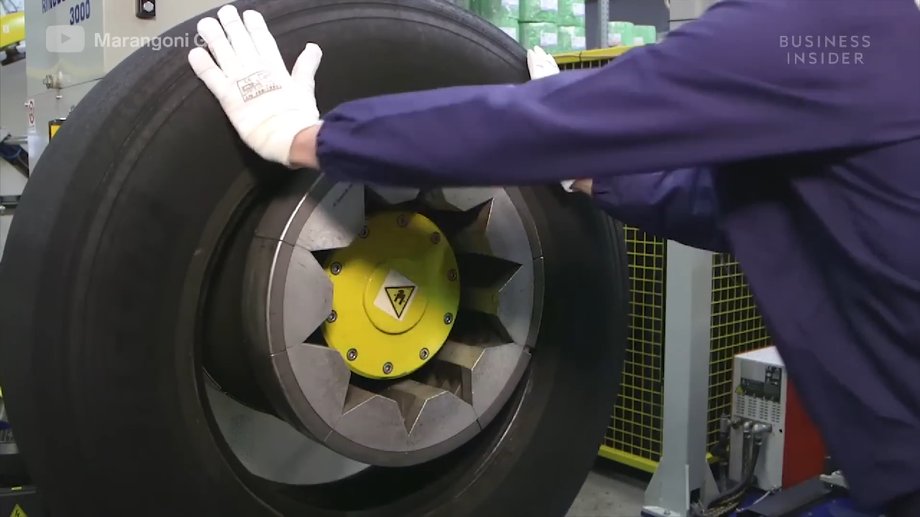
A used tire that is to be retreaded comes to the factory and undergoes visual and instrument inspection. The inspections are intended to make sure that the casings can get a second or even third life.
An inherent element of this stage is a laser shearography device that scans the tire in a vacuum to detect damage or defects invisible from the outside, as well as to separate the layers, i.e. cords and metal wires inside the tire.
Tires that are not suitable for retreading are not thrown away, but destroyed at a waste thermal treatment plantwhich burns tires in a closed furnace, transforming them into usable energy without emitting harmful gases.
Unburned material is recovered. Tires deemed suitable for retreading are barcoded and prepared for roughening.
The tires go to a machine that roughens the remaining part of the tread. The amount of tread removed varies depending on the casing type and size. The surface is now ready for a new tread.
Read also: Putin's palace is a fortress. Inside there is a casino, a shisha bar and a bunker in case of war
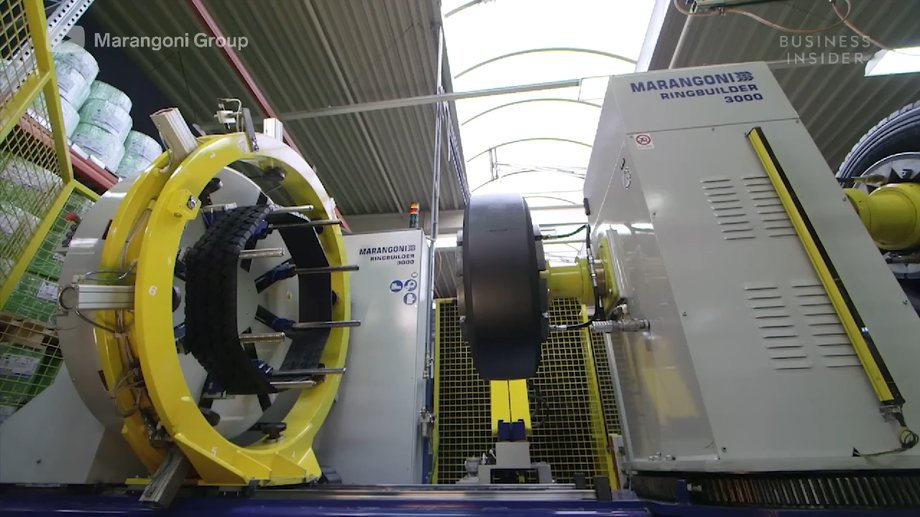
The industry is discovering a way to make cheaper and more ecological tires
|
Business Insider
Tire recycling is a multi-step process
The tire goes to the cratering stage. It is checked and any surface imperfections are repaired.
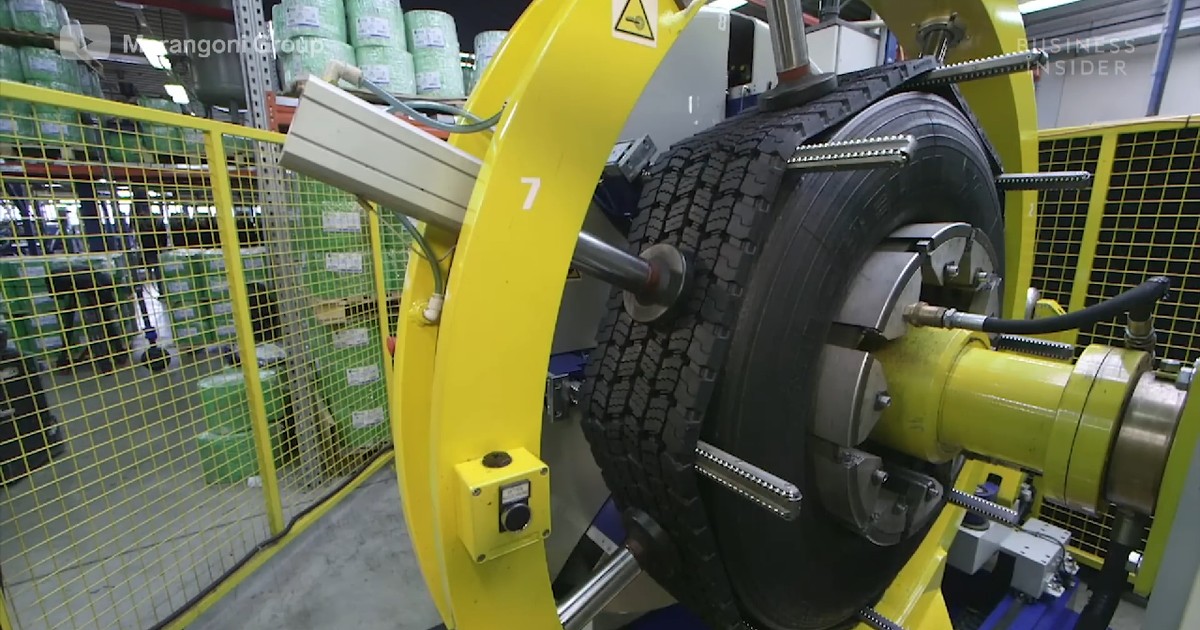
The tire is covered with a sticky layer of unvulcanized rubber or caoutchouc. The pre-vulcanized annular tread insert is stretched and molded to the tire.
Thanks to the laser, the machine is positioned centrally in relation to the tire, and its clamps extend and press the tread.
The machine holding the tread retracts. The rollers press the tread to the carcass and then smooth it. Each tire is covered with a rubber cover and vacuum-sealed tightly.
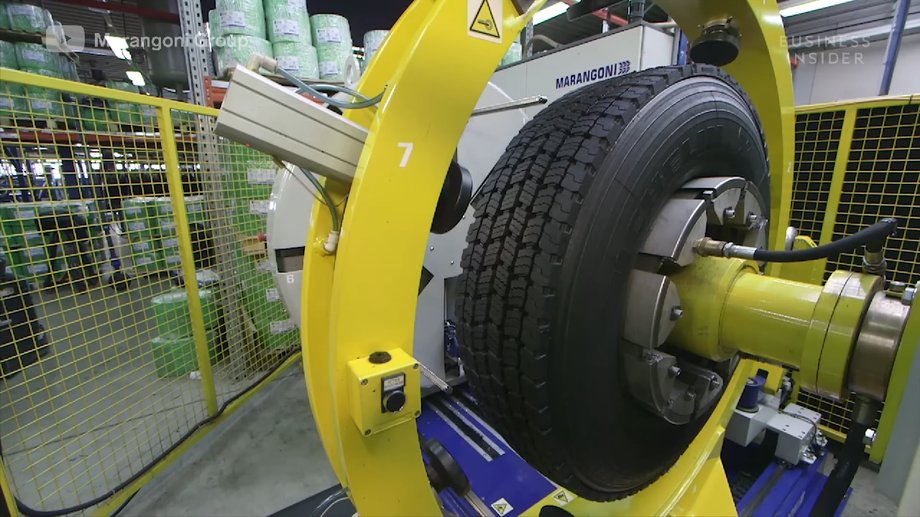
For years, companies like Marangoni have been collecting tires, replacing the old tread (the rubber that contacts the road) with a new one in a process called “retreading”
|
Business Insider
The tires are transferred to an autoclave, i.e. a pressure chamber, where each of them is vulcanized. They are simultaneously subjected to enormous heat and pressure.
In an autoclave, at a temperature of 120 degrees C and a pressure of six bars, the tread and carcass are vulcanized within three hours. Finally, the technician makes the final adjustments.