Russians, laugh at the war! The result is a tasteless comedy that will make almost no one laugh

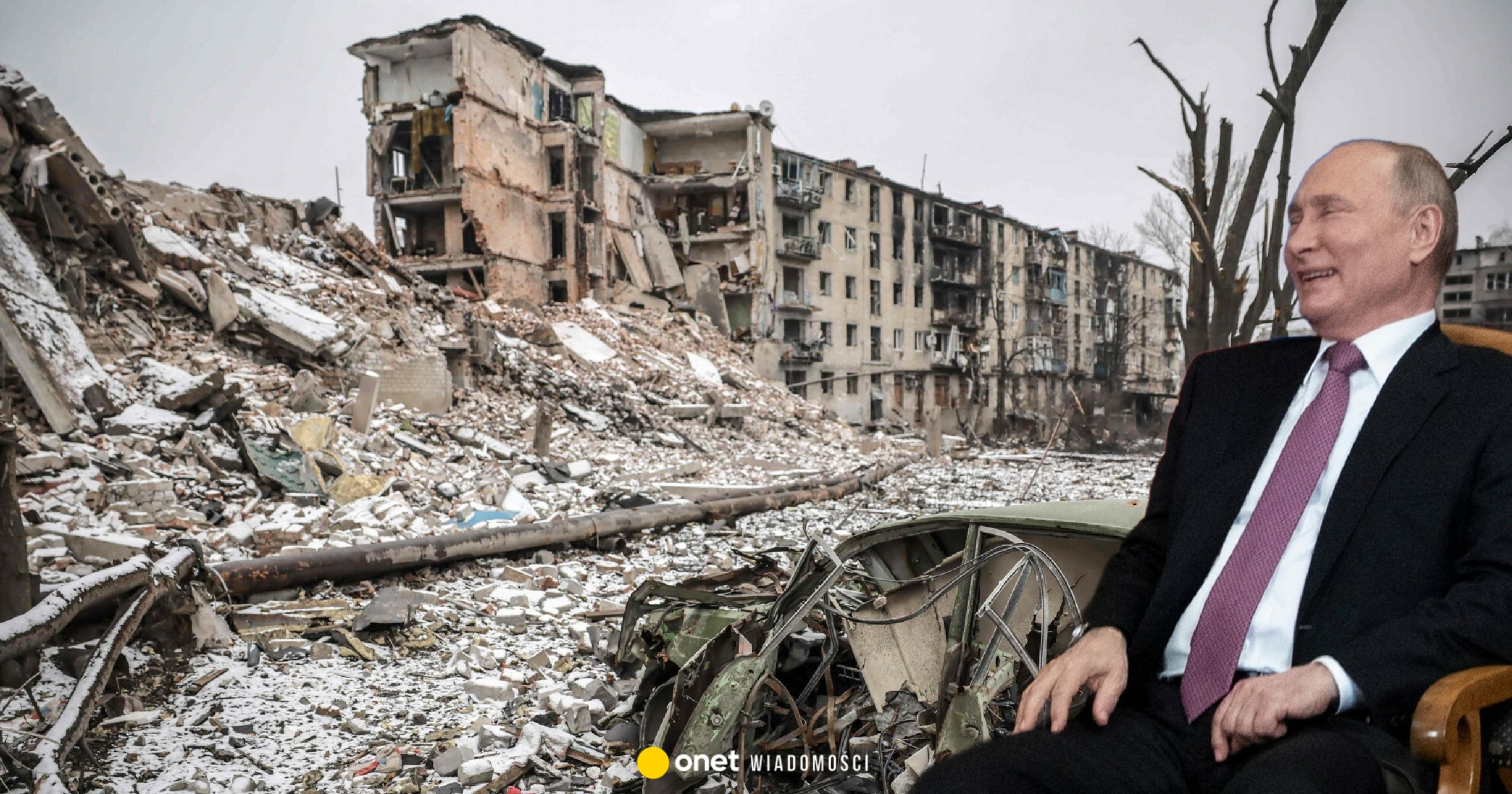
President Vladimir Putin and his propagandists have from the beginning tried to present the aggression against Ukraine as a war of the entire nation. It didn't work out. Society is fed up with thiseven when the so-called heroes – people who killed, raped and mutilated with impunity – return from the front.
It seems that Kremlin ideologists have decided that it's time to give society an antidote: “The Other Side of the Medal” is a comedy series about Russian soldiers fighting in Ukraine.
A comedy about war, supported by an organization that receives billions of rubles from the Kremlin, is a new genre for Russian propaganda. There have been no comedies about the war in Chechnya financed by the state (or by private investors). The destruction after both Chechen wars is strikingly similar to what we see in Ukraine today: residential districts razed to the ground by artillery, mass murders of civilians, looting and filtration camps where torture, rape and extortion were used.
However, there is a fundamental difference between the wars in Chechnya and the current war in Ukraine. Between 1994 and 1996, the atrocities committed by Russian troops and the reality of war itself could be reported relatively freely, at least for a time. Far fewer people then knew someone who had fought or been affected by sanctions than do today. Apart from journalists and human rights defenders, the events in Chechnya were mainly of concern to the military and their families. For most Russians, it was a local story from the periphery of the empire.
There was no mobilization then. Coffins returned from Chechnya, just as they once did from Afghanistan, but much fewer than from Ukraine today. People with trauma also returned, but in smaller numbers they usually remained unnoticed, they did not become the “new elite”.
The task of propaganda is to turn tragedy into comedy
For the Kremlin, the war in Ukraine has become a much more serious problem than the Chechen campaigns. Not only in the media dimension – the atrocities of Russian soldiers spread rapidly on social mediareaching millions of recipients – but also socially. This war, like a slow-acting poison, has penetrated the entire contemporary Russian reality.
The logic behind the creation of comedy is simple: laughter helps tame fear. Since it is impossible to remove war from public consciousness, the task of propaganda is to turn tragedy into comedy. The plot is simple:
A group of volunteers reaches the combat zone. The novices are placed under the command of an experienced soldier nicknamed “Kuba”, who does not want to babysit the recruits, but follows the orders of his superiors. Their first task is to organize a temporary base in a ruined house. This is how the everyday life of young warriors begins under the supervision of experienced commanders.
And so on… It's a story of everyday life filled with smiles, camaraderie and the wisdom of leaders. This is not very similar to the reality of Russian soldiers, about which we know something.
“Mockery at living and fallen veterans will not pass!”
The idea of turning war into a comedy didn't sit well with its vocal supporters either. Mikhail Ivanov, vice-chairman of the World Council of the Russian People and United Russia's deputy to the Bryansk Regional Duma, called this idea “deeply wrong and immoral”, emphasizing that mockery of mothers and wives mourning sons and husbands is unacceptable.
The outraged MP could turn to the above-mentioned Putin administration, but there he would quickly hear that such a series is exactly what people need — and it's better that he doesn't speak out before he gets punished under the article about “discrediting the army.”
The article continues below the video
However, it is clear that many people agree with Ivanov's opinion. For example, this angry entry on the WKontaktie website: “The director has ever been to the front? Does he know what it means to watch your comrades being torn to pieces? Or hold a dying friend's hand? Funny, right? The perfect time for a joke?” Strong opposition to this insult from the masses can influence reality. There will be no mockery of living and fallen SCO veterans!
It's not hard to predict how this will end. The series will not be the Russian “Good Soldier Svejk” – a classic example of a war comedy – although some of the tricks may seem similar. Švejk is an anti-war satire; “The Other Side of the Coin” is military propaganda sweetened with jokes.
Russians will be shown a tacky, formulaic story about good, warm-hearted, sincere and funny Russian soldiers – something like the series “Sołdaty”, which entertained undemanding audiences for a decade. The new production will feature the obligatory ideological clichés of war: “Ukrainians”, defense of Russians, traditional values, “the whole world against us”. Ukrainians defending their homeland will, of course, be portrayed as the embodiment of global evil forces.
Sit in front of the TV and laugh at the war!
The target audience is sitcom viewers who were not directly affected by the war. The Kremlin probably has greater ambitions for this campaigner. But combining “holy war” with light entertainment is doomed to failure. You can't make people laugh while watching the war from the couch without making those who buried their husband or son angry. Paradoxically, the title itself – “The Other Side of the Coin” – suggests that everything has its dark side. You can't have your cake and eat it too.
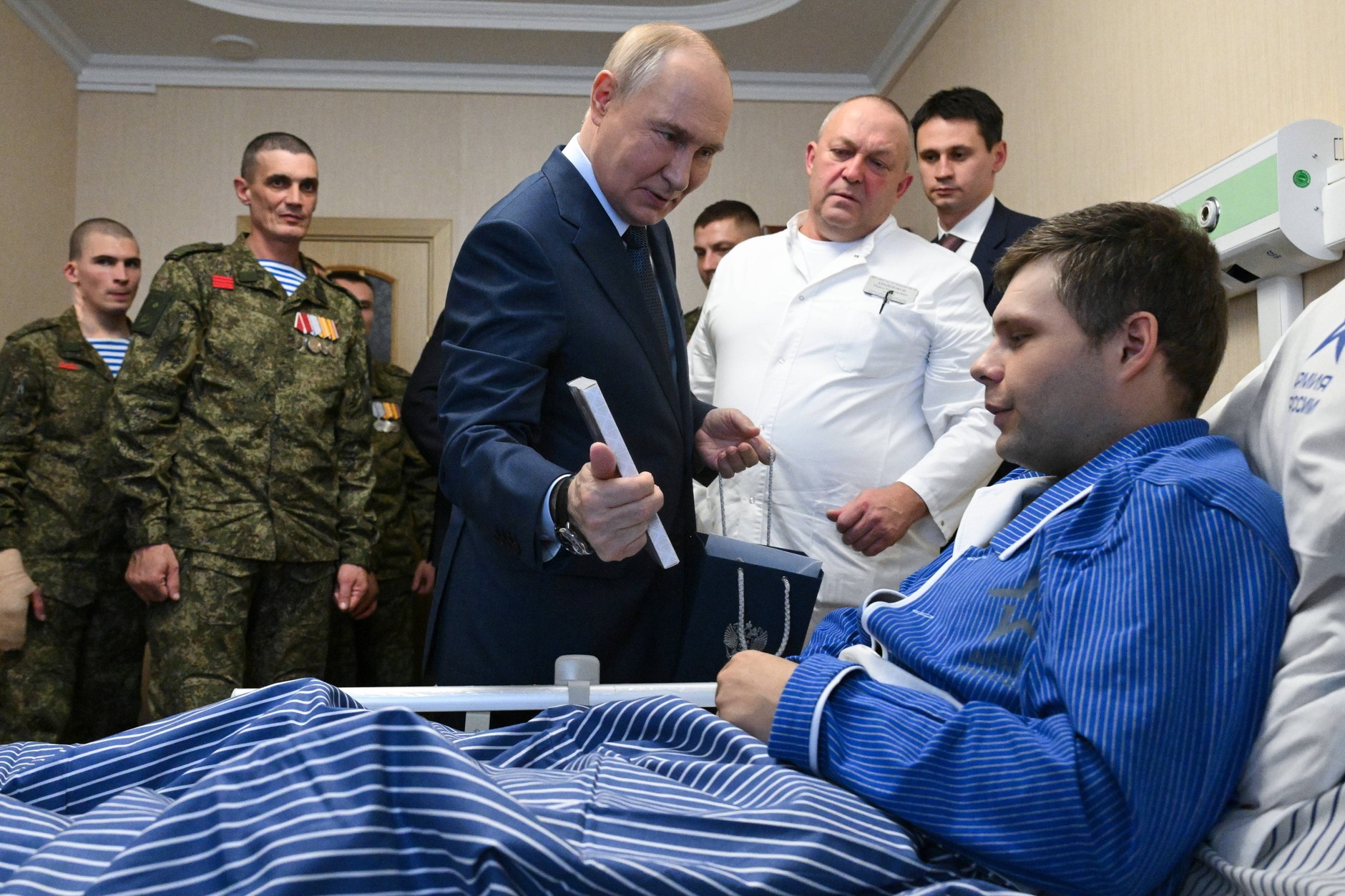
Vladimir Putin, president of Russia, visits soldiers at a military hospital in Moscow, October 29, 2025.EPA/KRISTINA KORMILITSYNA / SPUTNIK / KREMLIN POOL / PAP
Young people will undoubtedly massacre the series in memes and jokes that will be brought before the eyes of the loved ones of the fallen every day – people whose lives were ruined by Putin forever. During this war he disposed of at least 150,000 Russian men. These are just confirmed deaths; other sources say as many as 250,000.
According to the Kremlin, it's time to sit in front of the TV with a bowl of pelmeni and a beer and have a good laugh about the everyday life of soldiers. However, bodies torn apart and rotting in the trenches, blood, dirt, meanness, theft, drunkenness, drugs, vomiting, executions, torture, teeth extracted and storming of positions to enrich the commanders – all this will definitely remain out of frame.