It seems likely that Russia's war with Ukraine will end next year — on conditions very unfavorable for Kiev.
Where does this forecast come from? Due to the EU's failure last week to reach an agreement on the use of Russian funds – 210 billion euros (888 billion zlotys) of frozen assets – to maintain Ukraine's financial liquidity and ensure its ability to finance its war efforts.
Rejection of a proposal for a “reparations loan” that would have allowed the use of Russian assets, most of them frozen in a clearing bank in Belgium, deprives Ukraine of guaranteed financing for the next two years.
It was Belgium's legal concerns about the loan, as well as the reluctance of French President Emmanuel Macron and Italian Prime Minister Giorgia Meloni to join German Chancellor Friedrich Merz in support of the proposal, that led to its failure.
All this despite weeks of disputes and inflated expectations among the plan's supporters, including European Commission President Ursula von der Leyen.
Fortunately, the EU will still provide a significant financial package to Ukraine, having agreed to jointly borrow EUR 90 billion (PLN 380 billion) from capital markets backed by the EU budget and provide it on an interest-free basis.
The article continues below the video
Although this will prevent Ukraine's financial resources from running out early next year, the package is to be spread over two years, which is not enough for Ukraine to continue fighting. According to forecasts by the International Monetary Fund, due to the reduction in financial support from the United States, Ukraine's budget deficit will amount to nearly $160 billion over the next two years. (PLN 574 billion).
Simply put, Ukraine will need much more from Europe – and this will become increasingly difficult for the EU to deliver.
Still, many European leaders were rather optimistic after reaching a financing agreement last week. Finnish President Alexander Stubb noted on Sunday that the agreed package would still be tied to frozen Russian assets because the program envisages Kiev using them to repay the loan after the end of the war.
“The blocked Russian assets will remain blocked… and the EU reserves the right to use the blocked assets to repay this loan,” he wrote on X.
Moreover, along this line of thinking, another loan could be added and indirectly linked to Russian assets. Perhaps it will be so. However, this can also be interpreted as splitting the skin of a bear, as everything depends on what agreement is reached to end the war.
In the meantime getting another loan will no longer be so easywhen the Ukrainian state treasury becomes empty again.
Three countries — Hungary, Slovakia and the Czech Republic — have already opted out of last week's joint borrowing program.
It is not difficult to imagine that they will be joined by other countries that do not agree to another multi-billion package in 2027, which is an important election year for both France and Germany. Moreover, Trump will still hold the office of president, so there is no point in counting on additional financial resources from Washington.
And yet Belgian Prime Minister Bart De Wever continued to describe last week's agreement, reached after nearly 17 hours of negotiations, as “a victory for Ukraine, a victory for financial stability… and a victory for the EU.”
But Russian President Vladimir Putin doesn't see it that way.
Time is on Russia's side
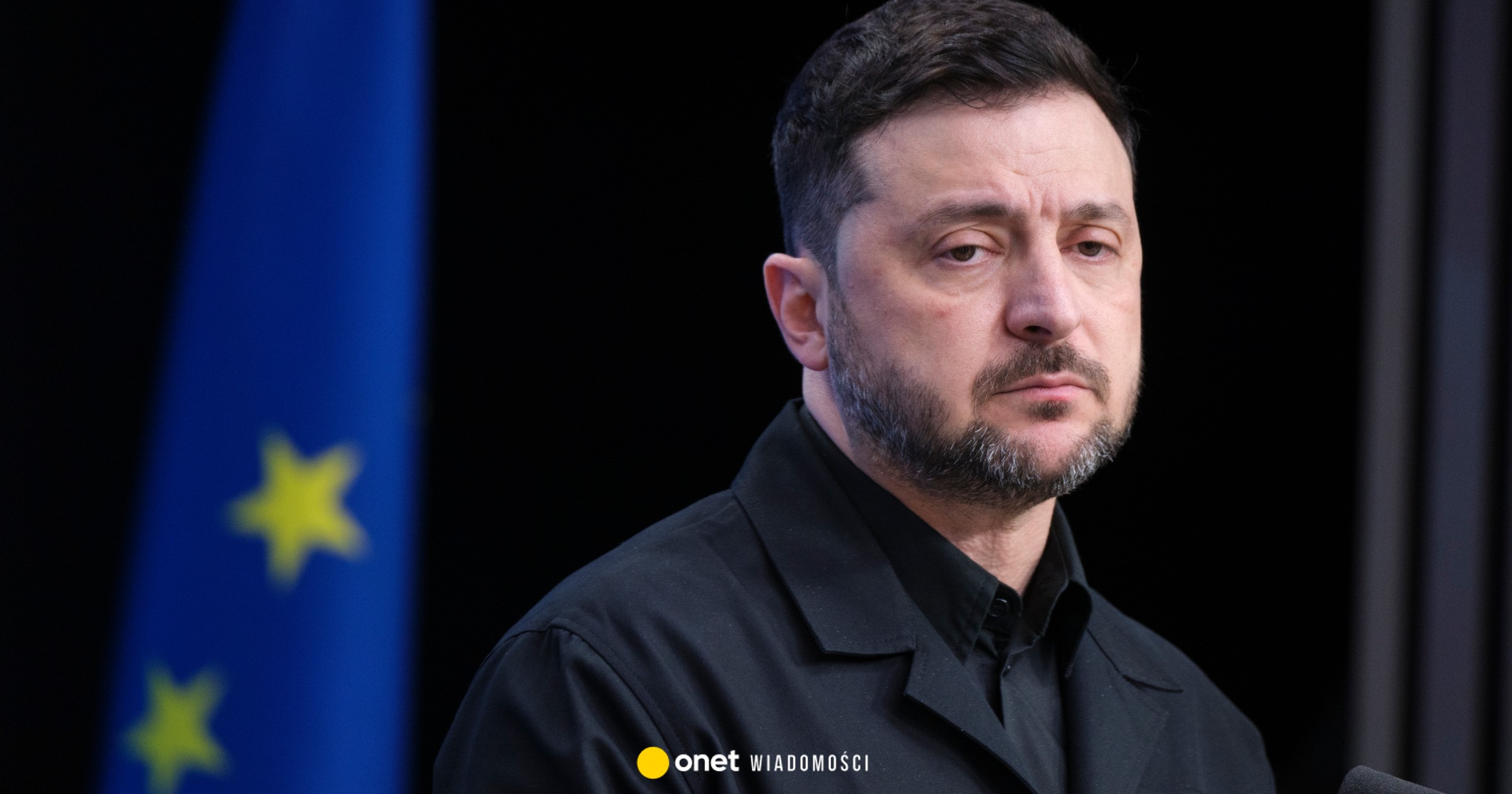
As Ukrainian President Volodymyr Zelensky noted in an attempt to persuade European leaders to support a reparations loan: “If Putin knows that we can hold out for at least a few more years, his incentive to prolong this war will become much weaker.”
But that didn't happen. And after Friday's defeat, which highlighted divisions between European leaders, this is certainly not the lesson Putin will draw from the situation. Rather, it only confirmed that time was on his side.
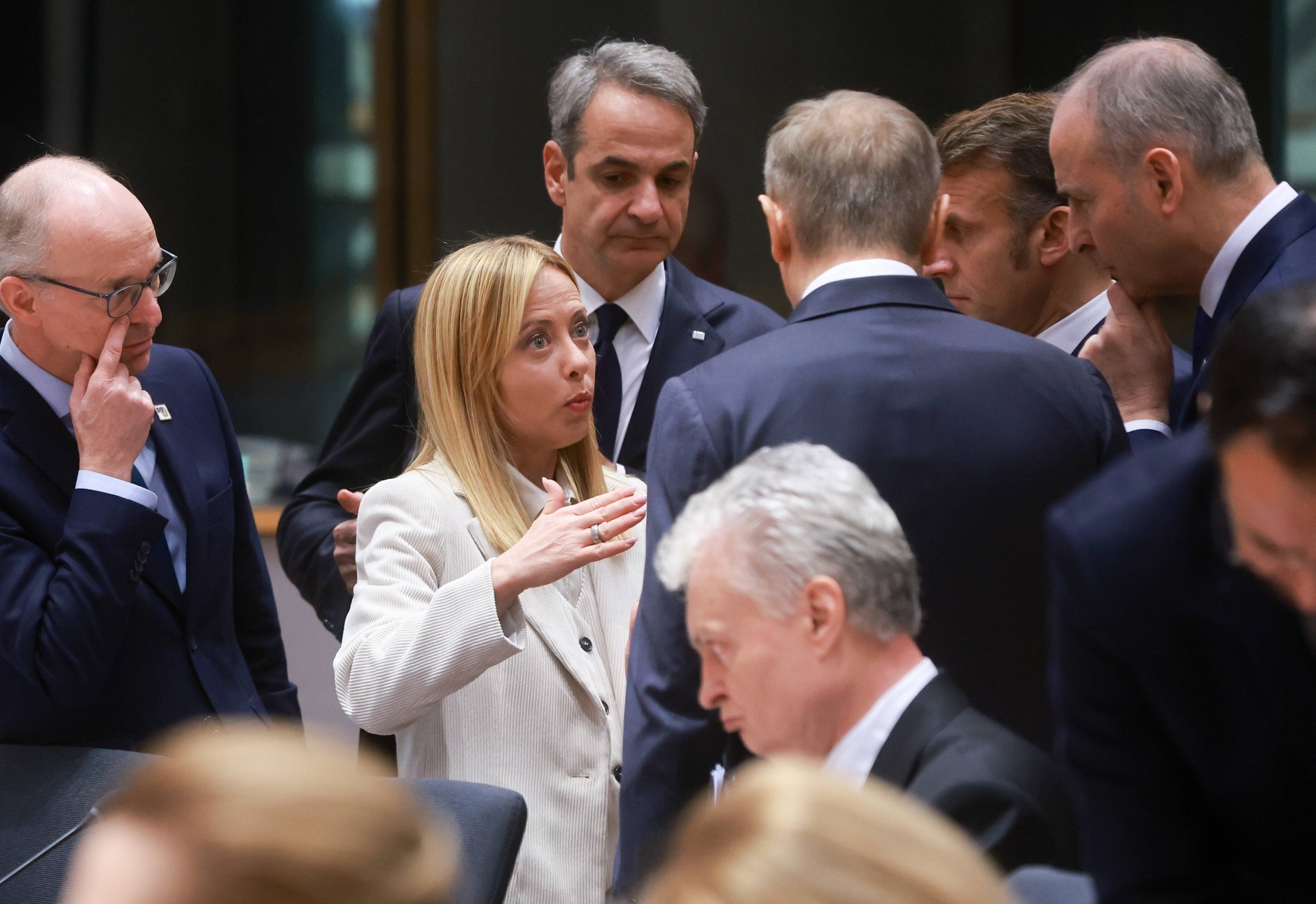
From left: Prime Minister of Luxembourg Luc Frieden, Prime Minister of Italy Giorgia Meloni, Prime Minister of Greece Kyriakos Mitsotakis, Prime Minister of Poland Donald Tusk, President of France Emmanuel Macron and Prime Minister of Ireland Micheal Martin during the EU Council summit in Brussels, Belgium, December 18, 2025.OLIVIER HOSLET / PAP
If he waits a little longer, the 28-point plan his advisers developed with Trump's obliging special envoy Steve Witkoff could be restored, leaving Ukraine and Europe in a difficult position — which is a dream result for the Kremlin.
Putin can also read public opinion polls and notices growing impatience European voters towards war in some of the continent's largest economies.
For example, a POLITICO survey of 10,000 people published last week. respondents found that citizens in Germany and France are even more reluctant to continue funding Ukraine than those in the United States. In Germany, 45 percent respondents were in favor of limiting financial assistance to Ukraine, and only 20 percent in favor of increasing it. In France, 37 percent respondents were in favor of reducing aid, and only 24 percent in favor of increasing it.
On the eve of last week's European Council meeting, Estonian Prime Minister Kristen Michal told POLITICO that European leaders they have an opportunity to refute Trump's claim that they are weak. By signing an agreement to unlock hundreds of billions of frozen Russian assets, they would also respond to the US president's description of Europe as a “failing group of nations.”
I’m Ashley Davis as an editor, I’m committed to upholding the highest standards of integrity and accuracy in every piece we publish. My work is driven by curiosity, a passion for truth, and a belief that journalism plays a crucial role in shaping public discourse. I strive to tell stories that not only inform but also inspire action and conversation.