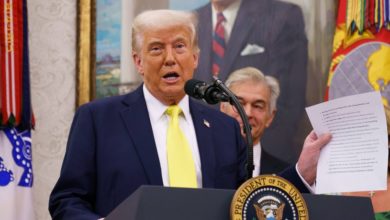
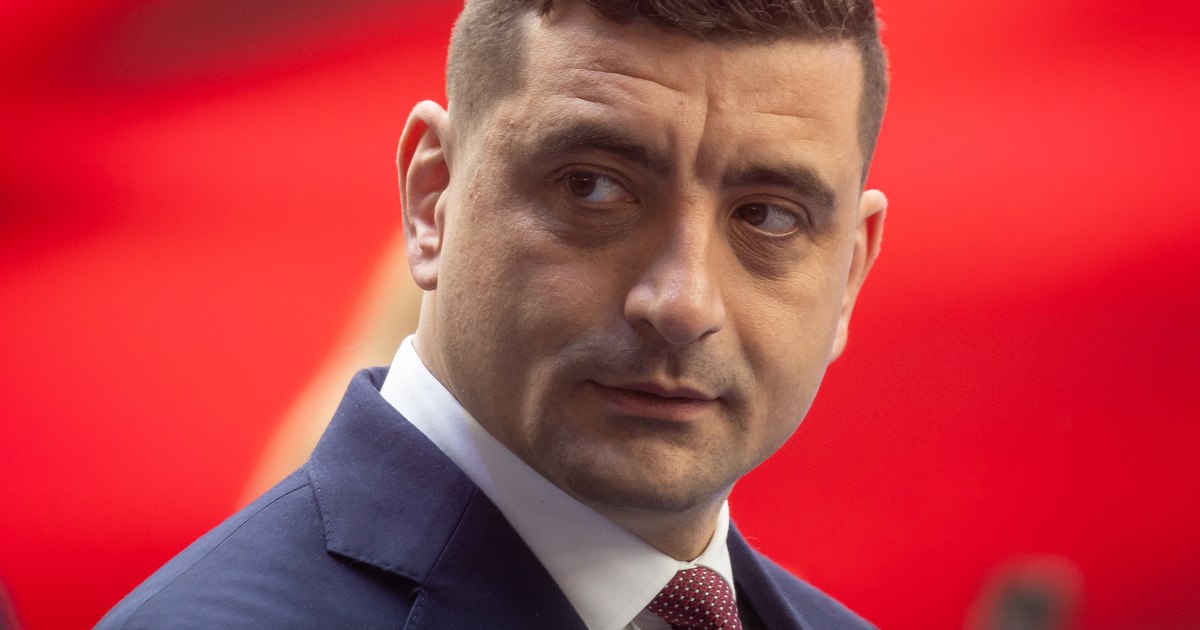
The talks will resume on Sunday and the United States is expected to present their results. At the same time, it is known that representatives of the American authorities are ruling out trilateral talks for now, imposing on Russia the obligation to fill the gap regarding Ukraine's security needs.
The talks were attended by Russian President Vladimir Putin's special envoy, Kirill Dmitriev, and an American delegation led by Steve Witkoff, President Donald Trump's special envoy, along with Jared Kushner, Trump's son-in-law.
No journalists were allowed into the sessions, no joint statement was issued, and officials refused to immediately report the results – a deliberate silence underscoring the cautious tone of the talks.
Sources familiar with the talks described the U.S. position as firm but restrained.
— These were not negotiations in which Washington was bargaining with itself, the source emphasized, adding that “although there was no breakthrough on Saturday”, the American side “presented the current state of affairs to the Russians after the recent talks with the Ukrainians and essentially said: 'Here's what still doesn't fit. Come back tomorrow with answers'.”
The meetings in Miami come as President Volodymyr Zelensky has publicly called on Washington to step up pressure on Moscow, warning that the Kremlin is using diplomacy to buy time while continuing its military campaign.
A day earlier, Putin promised to continue Russia's offensive, even though he floated the idea of halting the attacks to allow Ukraine to hold elections – but Zelensky quickly rejected this proposal.
Known dividing lines
According to officials briefed on the current state of the talks, the main sticking points remain: Russia's expansive territorial claims and Ukraine's insistence on ironclad security guarantees backed by the United States.
Moscow has shown no willingness to back down on claims over territories it has not fully conquered, while Kiev maintains it will not give up lands it has gained since the 2022 invasion.
“There is an agreement between Washington and Kiev that didn't exist a few weeks ago,” said a third Western official. — However, this agreement did not translate into changes in Moscow's position.
An unconventional process
The unusual composition of the negotiation teams additionally intensifies the sense of uncertainty surrounding the talks.
Dmitriev's participation highlights the Kremlin's direct role, despite his past as head of a sanctioned economic institution linked to the state.
On the U.S. side, the reliance on Witkoff and Kushner has raised quiet concerns among some European diplomats, several of whom have already been in Miami since Friday for related talks.
Ukrainian officials were kept away from the Russian delegation.
The Ukrainian team spent several hours with Witkoff and Kushner on Friday, but U.S. officials ruled out direct three-way talks at this stage of the process.
Secretary of State Marco Rubio sought to reassure allies, emphasizing that “there will be no peace deal unless Ukraine agrees to it” and signaling that he might join future talks if they progress.
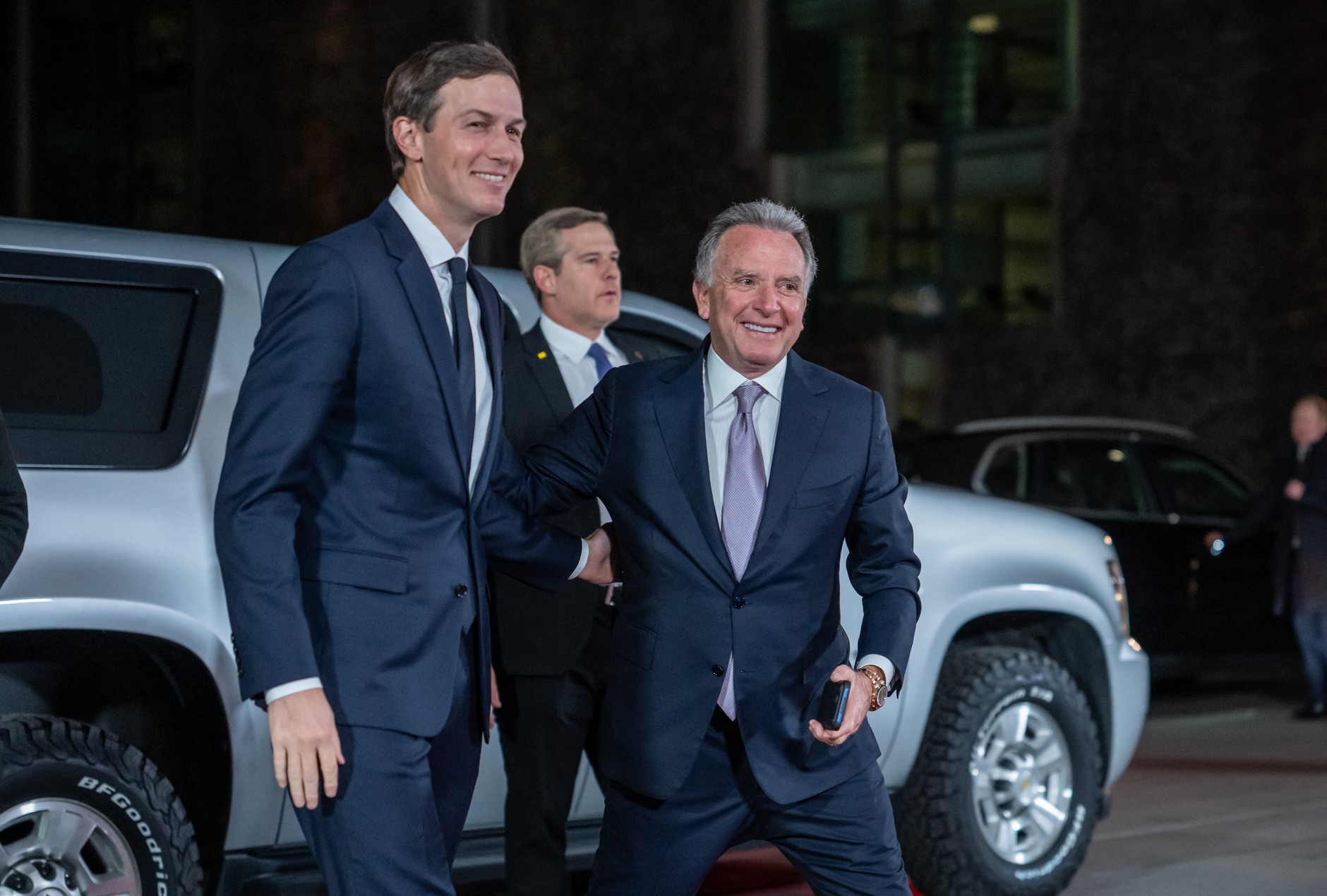
Jared Kushner (L) and Steve Witkoff (R) heading for consultations on a possible peace in Ukraine, Berlin, Germany, December 15, 2025.MICHAEL KAPPELER / DPA / dpa Picture-Alliance via AFP / AFP
What's next?
While there were no significant changes Saturday, officials cautioned against viewing the Miami talks as a dead end.
The talks are scheduled to continue on Sunday, and after the weekend's meetings, U.S. officials are expected to issue an official statement that could potentially be the first public signal of whether Moscow is ready to take more serious action.
For now, the diplomatic temperature remains moderate.
As one Western official put it: “They were always said to be working talks.” It stayed that way. What matters now is whether Russia will come back with something new or just come back.