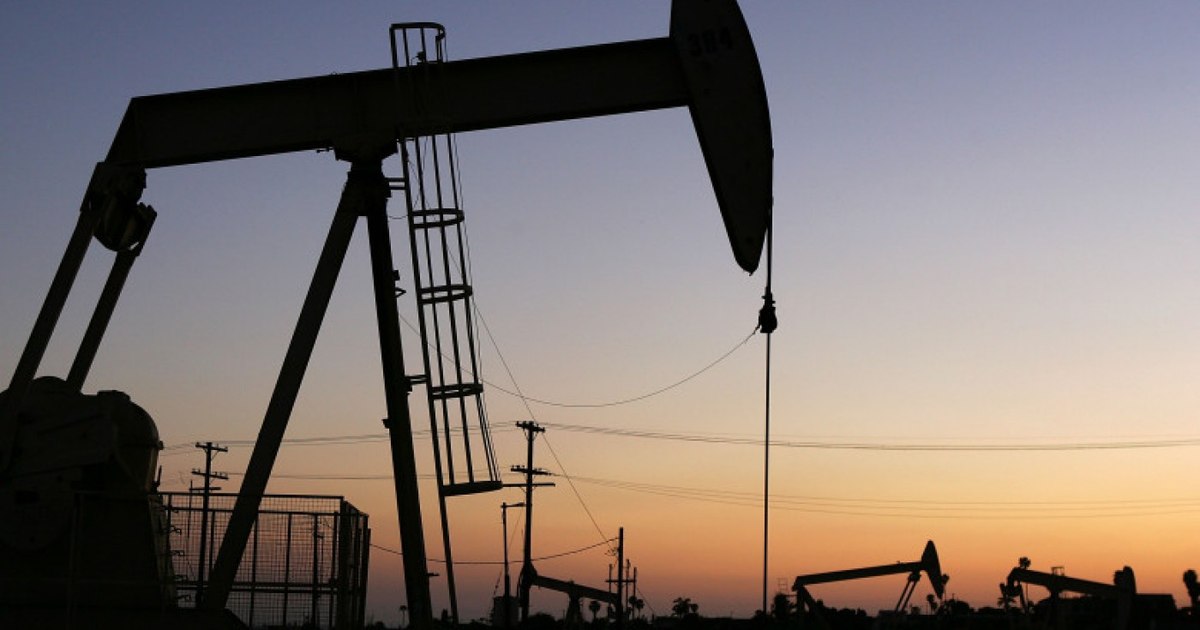
The evolution of petrol prices directly influences transport costs, commercial deliveries and, implicitly, food prices. During the busy winter holiday season, these effects translate into additional pressure on consumer budgets. However, the year 2025 has brought a favorable development in the global oil market, although prices at the pump seem to avoid such a trajectory, being almost as high.
Oil is getting cheaper globally, but prices at the pump in Romania remain unchanged
In Romania, the average price of gasoline reached 7.36 lei per liter on December 17, the lowest level since July 2025, when a threshold of 6.98 lei per liter was reached. On August 1, an increase in prices was recorded, determined by the increase in excise duties, from 2.53 lei per liter to 2.78 lei per liter. Currently, approximately 55% of the price of gasoline and 50% of that of diesel represent taxes collected by the state, respectively VAT and excise.
Despite the decline in the price of a barrel of oil, prices at the pump are not expected to follow the same trajectory. The beginning of next year will bring another increase in excise taxes. The Ministry of Finance announced that, from January 1, the excise tax for gasoline will increase to 3.06 lei per liter, and for diesel to 2.80 lei per liter, from the current level of 2.54 lei. These measures will lead to an additional increase in price estimated at 30-40 money per liter, applicable as early as New Year's Eve, from 00:00.
What led to this scenario
Since the beginning of this year, the price of a barrel of Brent oil, the main global benchmark, has fallen about 20%, hitting an annual low of $59.50 a barrel at the time of writing. This level is comparable to that of April and also represents the lowest threshold since January 2021, states financial analyst XTB Romania.
Downward pressure on prices is being fueled by rising oil production from both OPEC and the United States amid seasonally declining refining costs. Refining is generally cheaper in winter, which further reduces fuel prices.
In geopolitical terms, developments related to Venezuela and the possibility of the reintroduction of US sanctions against Russia may generate episodes of short-term volatility. However, these elements do not change the fundamentals of the market and do not change the general downward trend characterized by an oversold condition.
Short-term volatility, but long-term pressures
Although the current setup is favorable for a possible upward correction in the short term, the medium and long term outlook remains negative. The International Energy Agency (IEA) estimates that in 2026 the oil surplus could reach up to 4 million barrels per day, which would represent the largest and most persistent surplus in a decade. The US Energy Information Administration (EIA), for its part, anticipates a large surplus of about 2 million barrels per day. In this context, the sanctions imposed on Venezuela or Russia have a limited impact on the global market balance, explains XTB analyst Radu Puiu.
Seasonal travel increases drive higher demand for gasoline, while supply remains relatively constant, making demand the main influencing factor in the short term. This phenomenon is explained by the reduced elasticity of demand for gasoline. Being an essential good, demand does not decrease with rising prices, as transport remains indispensable for most consumers. As long as fossil fuel powered vehicles dominate the market, consumers will continue to bear higher costs.
The recent declines in prices are supported by several structural factors, including the resumption of OPEC production increases since April to regain market shares, as well as new all-time highs in US production of more than 13.8 million barrels per day. Streamlining processes and reducing production costs lead producers to maintain high levels of extraction despite lower incomes.
In addition, fuel prices traditionally fall in the cold season as refineries complete maintenance work and increase production capacity. Winter gasoline is also cheaper to produce than summer gasoline, helping to keep costs down. In the hot season, gasoline requires special reformulation and additional additives to reduce evaporation and pollutant emissions, which involves a more complex and expensive refining process.
The outlook points to fuel prices remaining low through much of 2026 amid a global crude oil glut. A potential peace agreement between Russia and Ukraine could amplify this trend, by re-entering the global market with additional volumes of Russian oil, adds Radu Puiu.