A Boeing plane released tons of kerosene over eight Belgian towns before an emergency landing

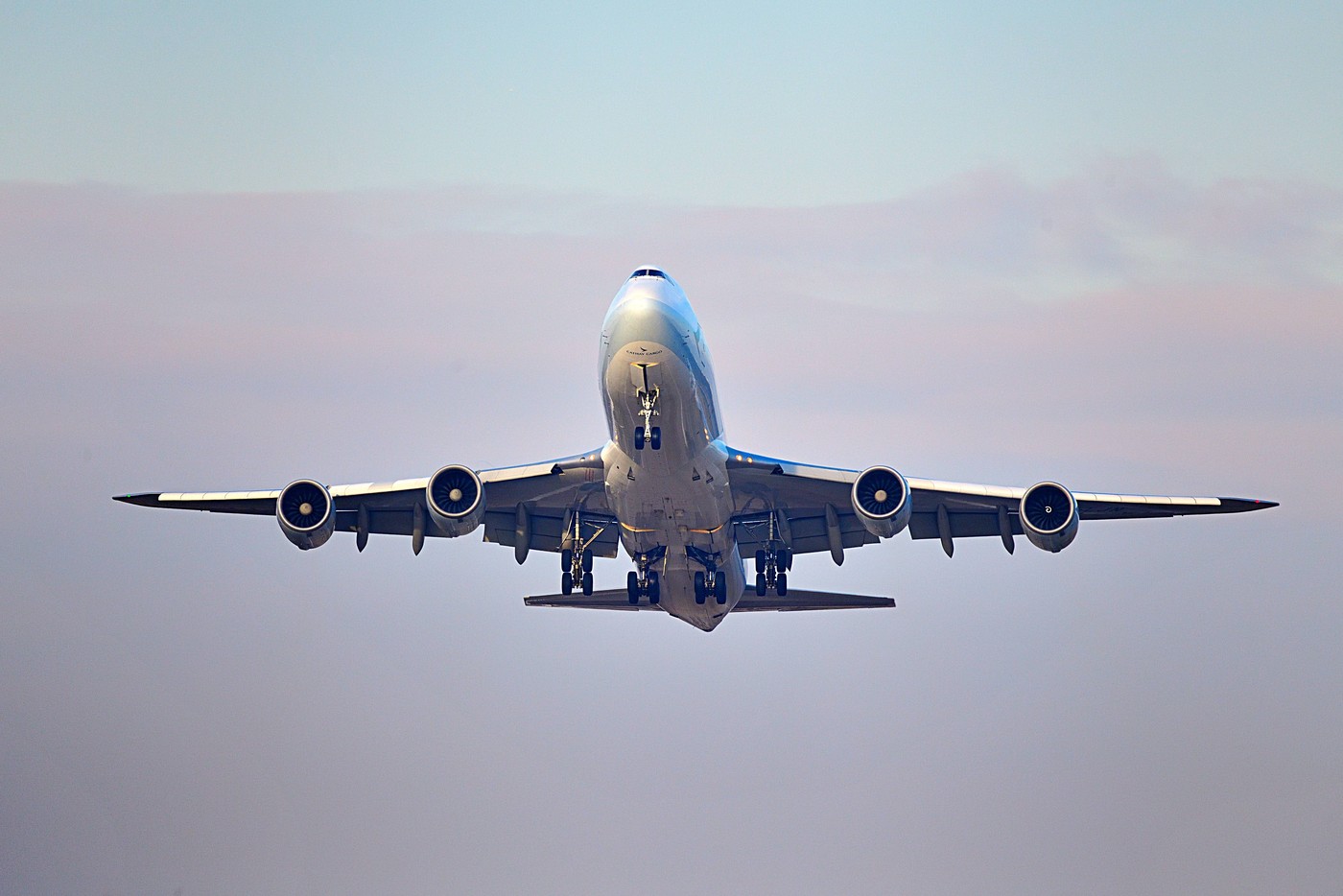
Boeing 747 airplane. Photo credit: Daniel Kubirski / imago stock&people / Profimedia
A Boeing 747 jet performed an emergency kerosene evacuation over eight communes in Liège after experiencing a problem with its landing gear during the flight.
An unusual smell surprised many residents of the outskirts of the city of Liège, in Belgium, on Sunday. Reported on social networks and local authorities, this unpleasant smell initially raised doubts.
Finally, the cause was identified: a Boeing 747 cargo plane carried out a massive evacuation of kerosene over several localities, after a technical incident that occurred shortly after takeoff, RTBF reports, according to Le Figaro and News.ro.
The aircraft, operated by Challenge Airlines, took off from Liège airport shortly before 10:30 local time, bound for New York. Shortly after takeoff, the crew detected a malfunction in the landing gear, and the plane had to turn around and prepare for an emergency landing. With full tanks, the weight of the aircraft exceeded the authorized limit for a safe landing.
Up to 100 tons of kerosene
The Boeing 747 thus began the fuel evacuation procedure, performing circling flight maneuvers over the western city of Liège for almost an hour, according to the data of the air monitoring website FlightRadar24.
The aircraft eventually landed without incident at Liège airport at 11:45 local time. According to several estimates reported by the Belgian press, up to 100 tons of kerosene would have been released over eight communes, including Grâce-Hollogne, Awans or Crisnée.
“It's a procedure called fuel release, used mainly in case of emergency,” explained Christian Delcourt, Liège airport spokesman. He specified that this operation aims to lighten the plane to avoid damage to its structure upon landing, the fuel largely evaporating at altitude. However, the regulations stipulate that this type of evacuation must be carried out at a minimum altitude of 3000 meters and, in principle, above the North Sea, away from inhabited areas.