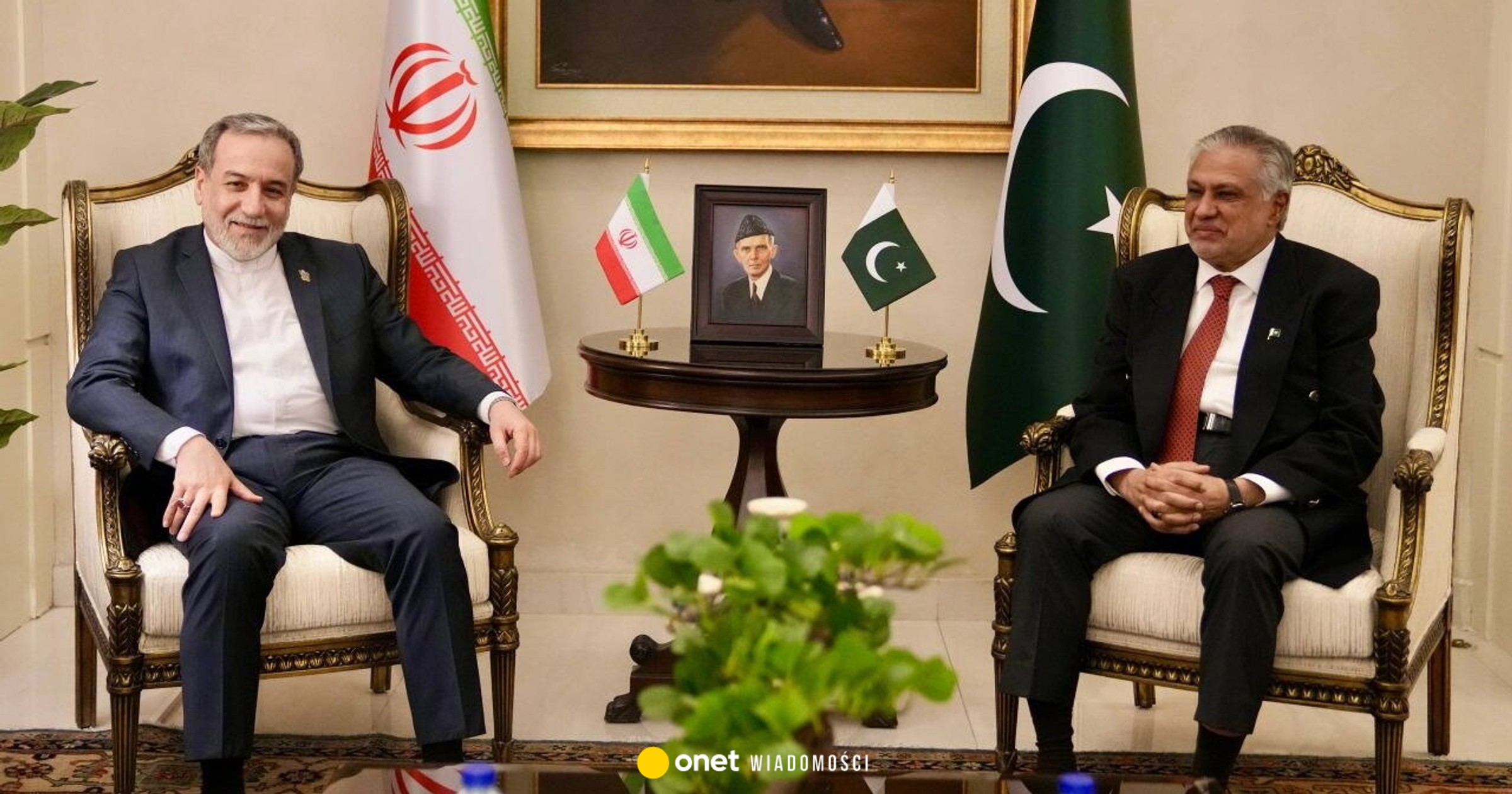
“The most important thing is that after today, our support for Ukraine is guaranteed,” said Danish Prime Minister Mette Frederiksen after the summit ended at 3 a.m.
The agreement is a key help for Ukraine's war-ravaged economy, which is struggling with the risks of the upcoming… financial liquidity crisis next spring. And all this while Russia's full-scale invasion is now in its fourth year.
Although the agreement allows everyone to claim victory, this was not the solution that Germany and the Commission were pursuing before the summit.
“Of course, some people didn't like it. They want to punish [prezydenta Rosji Władimira] Putin by taking his money,” De Wever said, referring to the original plan to use Russian assets. However, “politics is not an emotional activity” and “rationality prevailed.”
Brussels against the wall
For weeks, the EU executive and Berlin have been putting pressure on member states to finalize a controversial plan to use Russia's frozen state assets worth up to €210 billion (PLN 882 billion) to finance Ukraine. De Wever once again assured that this would not happen. Already during the previous summit in October ruined the plan to use Russian assets.
Instead, the leaders agreed borrow 90 billion euros (PLN 378 billion) to finance a loan for Ukraine within two years. It will be guaranteed from the common EU budget.
While this option appealed to southern countries, it was not welcomed by Germany and its northern European allies, who have traditionally opposed guaranteeing bonds for their highly indebted partners.
Ultimately, however, she prevailed Ukraine's urgent need for financing and the desperate desire of EU leaders to show their support. Especially in the face of Donald Trump's hesitation and Putin's boasts of victory.
As a concession to Germany, leaders opened the door to using frozen Russian assets to repay a loan to Ukraine. However, this is an issue that needs to be resolved in the future.
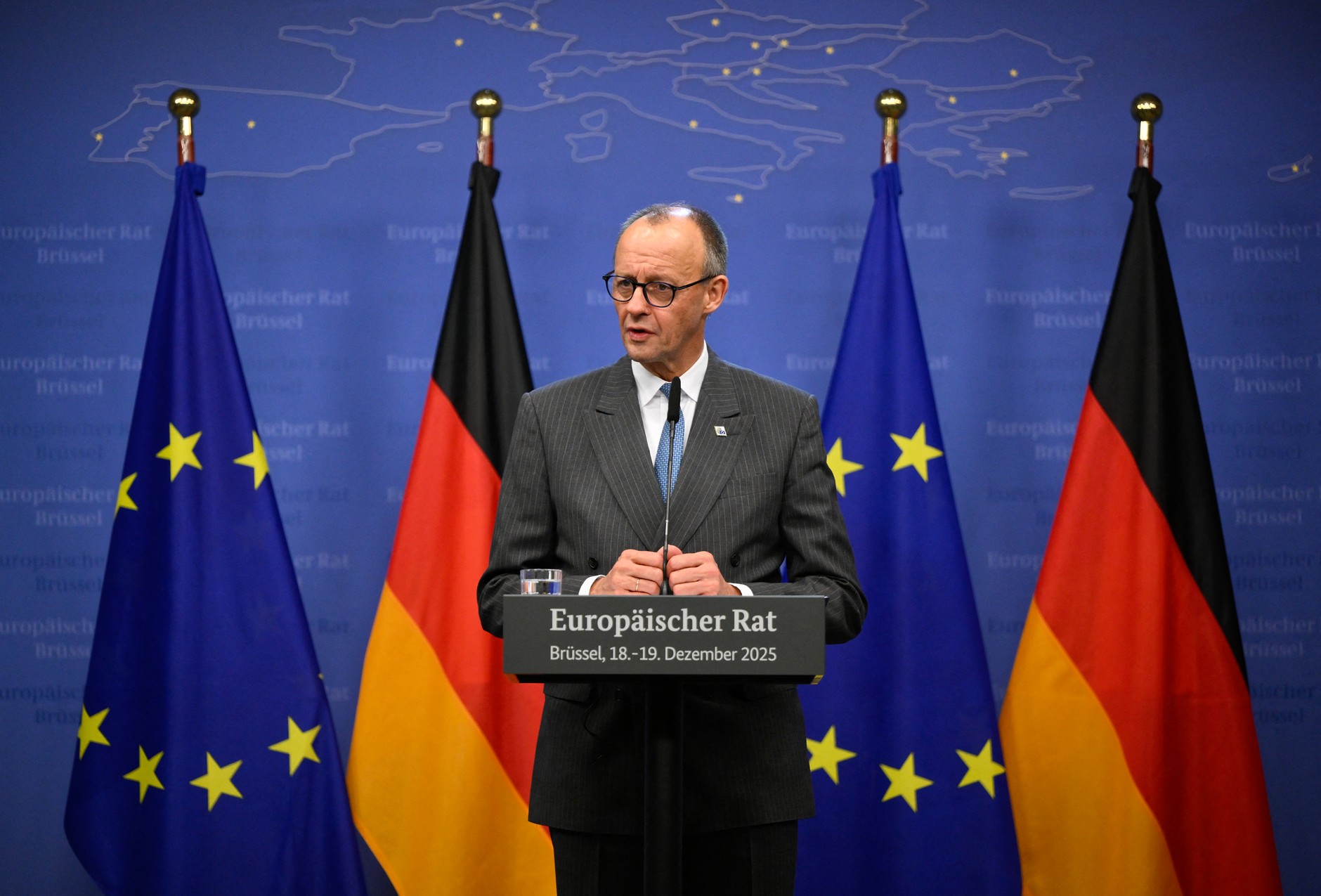
German Chancellor Friedrich Merz, Brussels, December 18, 2025John Thys / AFP
De Wever's tactics
Because Belgium opposed the plan to use Russian assets to finance the loan from the outset, EU diplomats and financial experts spent many sleepless nights before the summit, fine-tuning the legal wording and offering additional financial securityto calm down De Wever.
The stakes were very high for the Belgian prime minister, given that most of Russia's frozen assets in Europe are held by the Belgian-registered financial company Euroclear.
De Wever has repeatedly said that in return for supporting this plan, EU countries must put up unlimited amounts of cash to make it happen protect Belgium in the unlikely event that the Kremlin gets its money back.
However, this was too much to ask even for the most ardent supporters of the idea of Russian assets, who rejected the Belgian offer as nothing more than a “blank check”.
Although De Wever's tactics were popular in his country, they made him a pariah in the European Council. Other leaders considered the extreme idea of voting Belgium out as part of the Final Solution to reach an agreement. However, none of these actions turned out to be necessary.
Torpedoed ideas
While the Commission was desperately trying to save the Russian assets plan, a separate group of countries led by Belgium and Italy were secretly plotting to revive their preferred Plan B: the EU's shared debt. “It turned out to be so the most realistic and practical solution” – French President Emmanuel Macron told reporters.
A day of hectic diplomatic activity began with EU leaders putting the thorny issue of Ukraine's financing on the back burner. They returned to it in the evening after their advisers had prepared an agreement behind closed doors. “The summit's three topics – Mercosur, Russian assets and the next EU budget – overlap,” said one EU diplomat.
It was obvious from the beginning that Merz – who faces a serious challenge at home from the far-right Alternative for Germany – could not afford to return to Berlin empty-handed.
The German not only supports the plan for Russian assets, but is also a supporter of the Mercosur trade agreement with South America, which has been hanging in the balance for decades and was supposed to be signed this week.
However, it quickly became clear that the Prime Minister of Italy Giorgio Meloni — who became famous in Brussels as a pragmatist — will try to torpedo both of Merz's projects.
She had the Mercosur deal postponed until January and worked with De Wever to dismantle the Russian assets plan step by step. “Common sense prevailed,” Meloni said.