Viktor Orban says using frozen Russian assets for Ukraine 'no longer has any perspective' in the EU: 'It's a closed road'


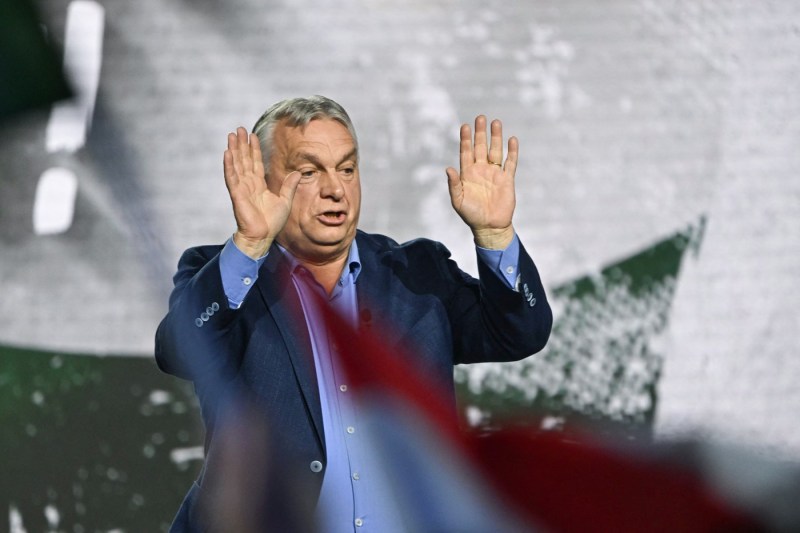
Viktor Orban Photo: Attila KISBENEDEK / AFP / Profimedia
Hungarian Prime Minister Viktor Orban said on Thursday that proposals to use frozen Russian assets to finance the reconstruction of Ukraine no longer have any prospects of success, saying that there is not enough support in the European Union for such an approach.
The statements were made to CNBC, upon the arrival of European leaders at the European Council meeting, in the context in which the European Commission is analyzing the possibility of using Russian assets blocked in Europe to provide additional financial support to Kiev, according to News.ro.
“It's a closed road. It's over. There's not enough support behind this idea,” Orbán said.
The Hungarian prime minister is considered one of Russia's closest allies inside the EU and a constant critic of plans to direct hundreds of billions of euros of frozen Russian assets into compensation loans for Ukraine. However, reservations about these measures are not limited to Hungary.
Belgium, whose position is crucial because much of the frozen assets are at the Brussels-based clearing house Euroclear, has expressed concern about legal and financial risks. Italy and Bulgaria also supported Belgium's position. The Kremlin has warned that such a decision would be a justification for war, and Russia's central bank announced last week that it had sued Euroclear in a Moscow court to “recover losses caused to the Bank of Russia.”
A “coalition of volunteers” could become the last resort solution
The financing of Ukraine is a central topic on the agenda of the European Council meeting, which is to end on Friday. The European Parliament warned on Wednesday that without additional financial support from the EU and other international donors, Ukraine could run out of funds at the beginning of 2026. The institution reminded that Hungary has already blocked the use of the EU budget margin to support Kiev, and such decisions require the unanimity of the 27 member states.
“If both options proposed by the Commission are blocked, a 'coalition of volunteers' could become the solution of last resort,” the European Parliament said.
Asked if, through his opposition, he is acting in the interest of Europe or Russia, Orban said that he “only works for peace”.
“I think what we need to do is to take steps towards peace, not war”, he declared, as Russian and Ukrainian forces enter their fourth year of conflict, and peace negotiations continue.
In contrast to Hungary's position, the head of European diplomacy, Kaja Kallas, declared on Thursday, in Brussels, that the European Union supports peace with Ukraine, but emphasized the lack of openness on the part of Moscow.
“We haven't seen any real willingness on the part of Russia to move forward or seriously discuss peace,” she said, adding that the EU needs to increase pressure on Russia.
Kallas was optimistic about finding a solution to the use of frozen assets, saying the current proposals meet Belgium's concerns.
“The issues raised by Belgium have been addressed, so I hope we can complete this process. Putin is betting on our failure and we should not give him this satisfaction,” the European official said.
A Kremlin spokesman did not respond to requests for comment.