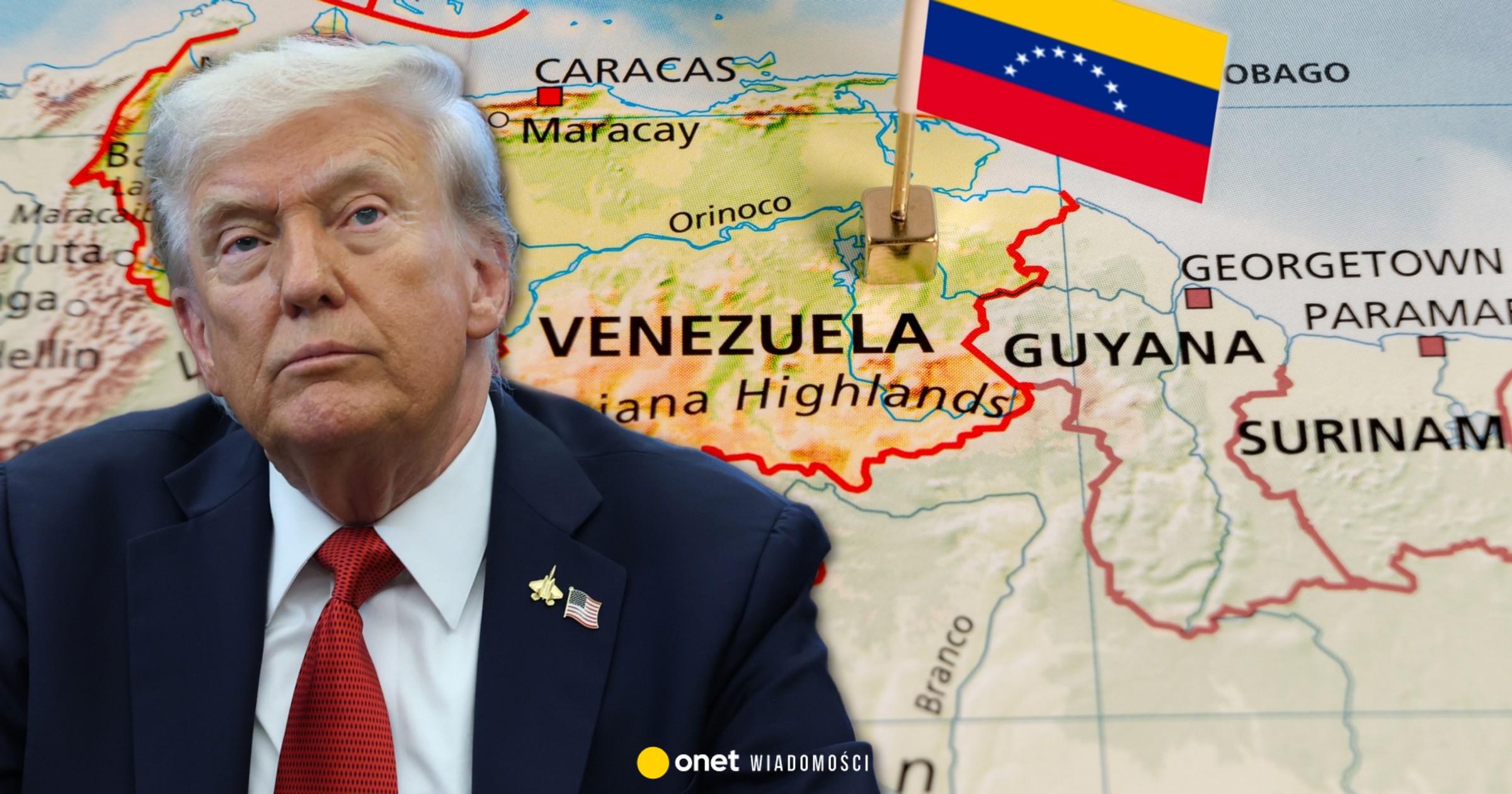
Trump, who accused Venezuela of stealing from the United States in a social media post on Tuesday, December 16, also said that will classify the Maduro government as a foreign terrorist organization.
“It will only grow [blokada]and the shock they will receive will be something they have never experienced before – until they return to the United States of America all the oil, land and other assets they previously stole from us.”
As experts point out, Trump may be shooting himself in the foot — destabilization of the country may result in a number of unpredictable and harmful processes, also for Americans.
Trump's move against sanctioned tankers is another move in his campaign against Maduro. Earlier this month, the United States seized an oil tanker off the coast of Venezuela and reinforced a group of troops in the Caribbean region.
The article continues below the video
All these actions are aimed at putting pressure on the regime in Caracas to give up power. Over the past few weeks, Trump has repeatedly threatened confrontation with Venezuela. Earlier this month, he told POLITICO that “Maduro's days are numbered” and did not rule out the possibility of US troops entering the country.
Increased pressure on Venezuela alienated some of Trump's political allies at home who oppose regime change efforts in Venezuela.
“I do not support US-enforced regime change,” Missouri Republican Sen. Josh Hawley told POLITICO in December
White House Chief of Staff Susie Wiles admitted in an interview with Vanity Fair that any land operations in Venezuela would have to be approved by Congress. “If he had [Trump] to authorize any action on land, that would be war, and then (we would need) congressional approval,” Wiles said.
Trump's move came on the same day that the Treasury Department declared the Clan del Golfo, drug traffickers from neighboring Colombia, a foreign terrorist organization.
“Until Maduro surrenders”
Earlier this year, the Trump administration launched a series of targeted military attacks on boats in international waters in the Pacific and Atlantic Oceans near South and Central America, resulting in the deaths of nearly 100 suspected drug smugglers. As a result of these actions, Secretary of War Pete Hegseth is now charged with war crimes.
The attacks are part of a broader pressure campaign against Maduro, Wiles told Vanity Fair, as Trump seeks to oust the Venezuelan leader, who was re-elected last year in an election deemed rigged by many international observers. “I want [Trump] continue bombing ships until Maduro surrenders,” she said.
Bob McNally, president of energy and geopolitical risk analysis firm Rapidan Energy Group and a former energy official in the George W. Bush administration, said that despite Trump's move, about two-thirds of Venezuela's oil exports will continue to flow unimpeded.
— We estimate that the blockade of tankers subject to sanctions will affect approximately 300,000 people. barrels per day of Venezuela's total crude oil exports, which amount to 900,000. barrels per day, McNally said. “This is too little to impact the global oil market.”
“While the blockage is unlikely to affect U.S. fuel prices, it will have an impact on Maduro,” said David Goldwyn, president of consulting firm Goldwyn Global Strategies and a former State Department official in the Obama administration.
— The Venezuelan government may lose up to 80 percent. income, Goldwyn said.
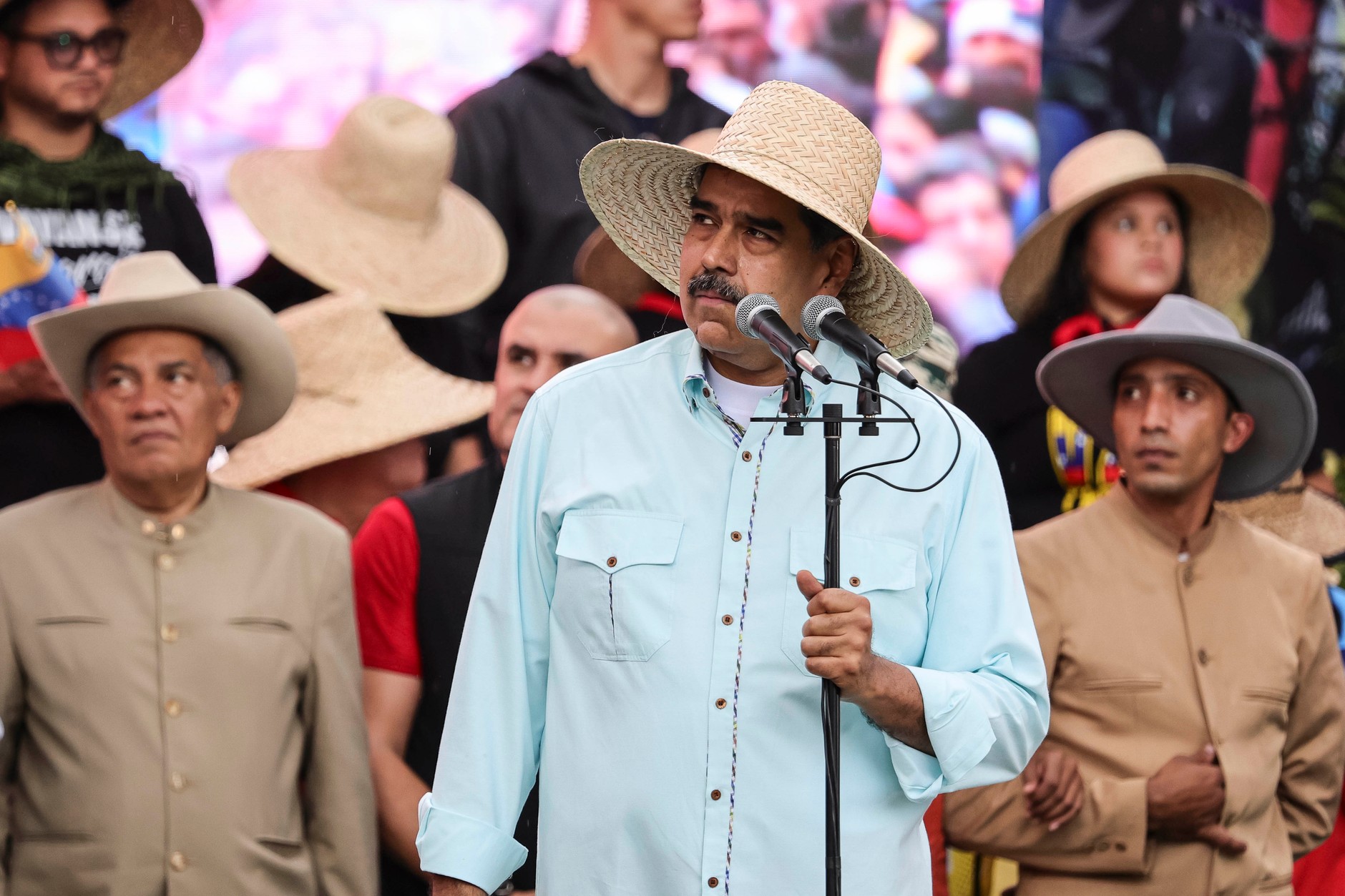
Venezuelan dictator Nicolas MaduroJesus Vargas / Contributor / Getty Images
“This loss of revenue… will lead to shortages that will impact transportation, food, supplies, agriculture and imports of goods,” Goldwyn said. “I expect a sharp increase in inflation and massive and immediate migration from Venezuela to neighboring countries.”
An industry lawyer close to the White House, who spoke on condition of anonymity, said rumors have increased over the past few days that the administration will increase pressure after last week's seizure of the tanker. In recent years, global oil exports from Venezuela have surged, largely through a network of brokers and clandestine tankers, to China, its largest buyer.
Chevron, the only U.S. oil company still operating in Venezuela under a license renewed by the Trump administration earlier this year, said sanctions had no impact on its operations.
“Chevron's operations in Venezuela continue uninterrupted and in full compliance with laws and regulations […]and with the U.S. government's sanctions framework,” Chevron spokesman Bill Turenne said in a statement.
I’m Ashley Davis as an editor, I’m committed to upholding the highest standards of integrity and accuracy in every piece we publish. My work is driven by curiosity, a passion for truth, and a belief that journalism plays a crucial role in shaping public discourse. I strive to tell stories that not only inform but also inspire action and conversation.