Impasse for fifth-generation fighter jet developed by three of Europe's major powers. “Very unlikely”


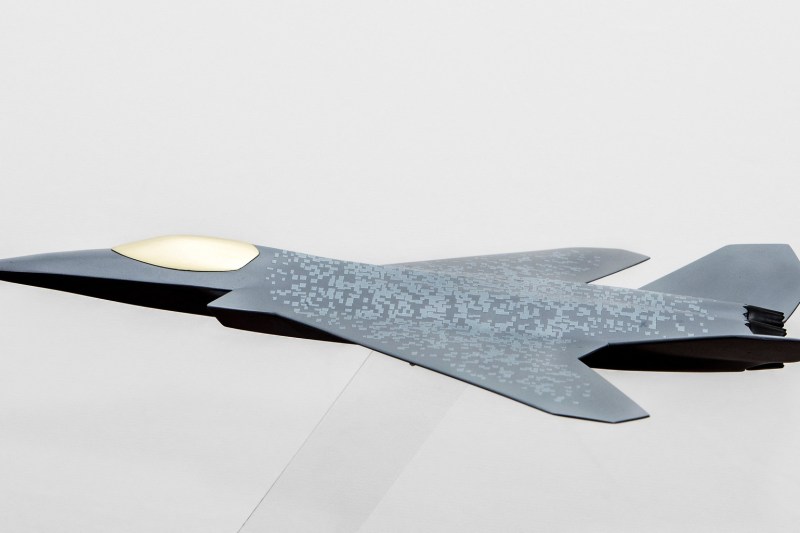
Model of the Franco-German project to create a new generation European fighter jet. The aircraft, due to be operational around 2040, is the centerpiece of the Future Air Combat System (FACS) program. Image published on February 19, 2020. PHOTO: Veronique BESNARD / AFP / Profimedia
The €100 billion project, in which the three countries were to jointly build a fifth-generation fighter jet to replace France's Rafale fighter jets and Germany and Spain's Eurofighter, is now “highly unlikely”, a source said.
The meeting between the defense ministers of France, Germany and Spain last week failed to produce a solution to save the troubled Franco-German-Spanish FACS (Future Air Combat System) aviation program, people familiar with the matter said on Tuesday, according to the Reuters news agency.
The sources added that France hoped to delay until next year a decision that Germany wanted to complete by the end of 2025.
The announcement that the project would move to the next stage had been planned for this week's meeting in Brussels of the heads of government of the EU member states.
The three countries also had difficulty reaching an agreement on the “combat cloud” and drone systems envisioned under the FCAS program. This program was to replace the existing fourth generation fighter jets by 2040.
At the heart of the dispute is French military contractor Dassault's desire to take the lead role in the project ahead of German partner Airbus – a position Berlin finds unacceptable, the sources revealed.
One of the difficulties is that the two countries need fighter jets for different roles.
France needs fighter jets capable of carrying nuclear warheads and interoperating with its aircraft carrier, while Germany, which has no aircraft carriers, has already agreed to buy US F-35 fighter jets to carry NATO nuclear warheads.
Earlier on Tuesday, Dassault's chief raised questions about the program's future, saying it depended on Germany's willingness to reconsider its reliance on US arms imports.
The defense ministries of France and Germany did not immediately comment on the matter, Reuters notes.