Europe stands at a crossroads and Putin rubs his hands. Our security also depends on money for Ukraine

In Ukraine's current war for independence macrofinancial stability has become the next front line — less visible than the fighting in the trenches or the Russian night terror attacks on Ukrainian cities, but no less important.
Maintaining the liquidity of Ukraine's budget, ensuring the stability of the banking system and anchoring inflation expectations are an integral part of the same fight – resistance to Russian aggression and concern for the country's future in the European Union and for the security of Europe.
Yet Ukraine is doing better than expectedmainly thanks to the development of a balanced triangle of institutions, each of which contributes to this temporary success:
- firstly, the Ukrainian authorities remain faithful to the ambitious reform agenda,
- secondly, the International Monetary Fund supported the country with a large-scale program that also attracted other donors,
- Third, partner governments and institutions have provided vital budgetary funding for social causes during the war, totaling more than $160 billion to date. [ok. 570 mld zł]
Europe's security depends on Ukraine's solvency
The longer Russian aggression continues, the more Ukraine's devastated energy and basic infrastructure limits its development possibilities. The slower pace of reconstruction translates into serious, long-term financial and balance sheet deficits and the continuing need for high external support amounting to over USD 136 billion. [ok. 485 mld zł] over the next four years, until 2029
The article continues below the video
The President of the European Commission, Ursula von der Leyen, rightly stated that “Ukraine's security is Europe's security.” In a situation where already in the first half of 2026 Ukraine may lack funds for basic social and defense expensesmeeting the country's financial needs should be an absolute priority for European partners.
European leaders must seize this moment in history, just as the victorious Allies did in the last century – act decisively and approve a guaranteed reparations loanusing frozen Russian state assets to finance Ukraine.
Failure to reach an agreement has enormous costs, a the risk of losing Ukraine's morale and negotiating power in peace talks is obvious. However, so far there is no sign that Brussels has reacted quickly enough to the urgency of the situation.
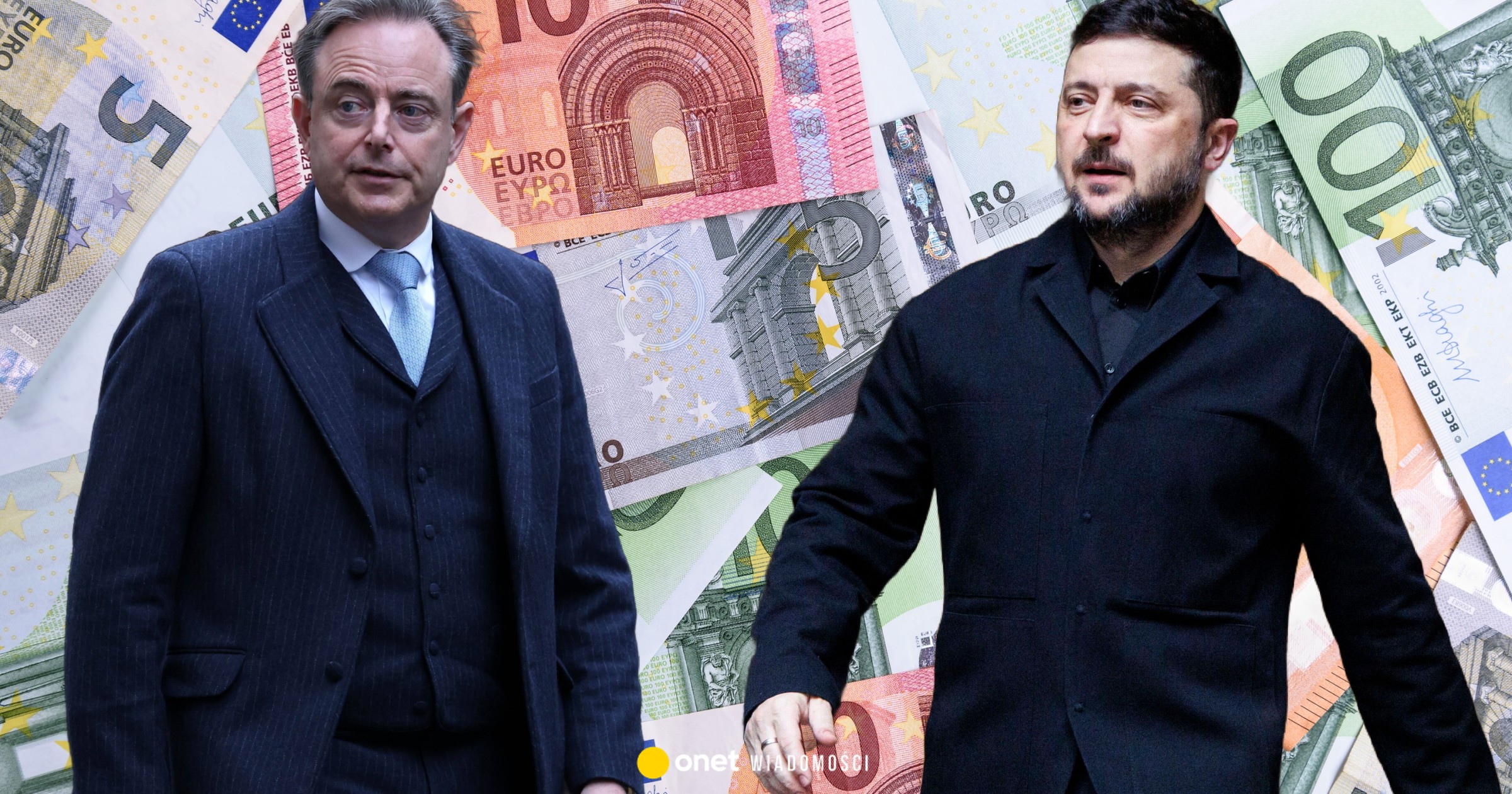
While Belgian Prime Minister Bart De Wever fears that Belgium would “drown in lawsuits” due to potential liability for the use of Russian assets, many innocent Ukrainians are literally buried under the rubble as a result of subsequent Russian attacks.
The EU is considering two scenarios for supporting Ukraine's budget
On December 3, the European Commission presented two options for financial support for Ukraine in the short and medium term: a the final decision is to be made during the European Council on December 18. Both proposals are clear and make it possible to fill Ukraine's financial gap and strengthen Europe's security at the same time.
One solution is for the EU to take out a loan linked to available funds in the budget. The second, preferred option is reparations loan worth EUR 210 billion [ok. 885 mld zł] with sovereign guarantees, which would authorize the European Council to obtain funds from EU financial institutions that hold frozen Russian state assets. Both options can be adopted by a qualified majority, but a reparations loan is a more fiscally responsible solution and protects European taxpayers.
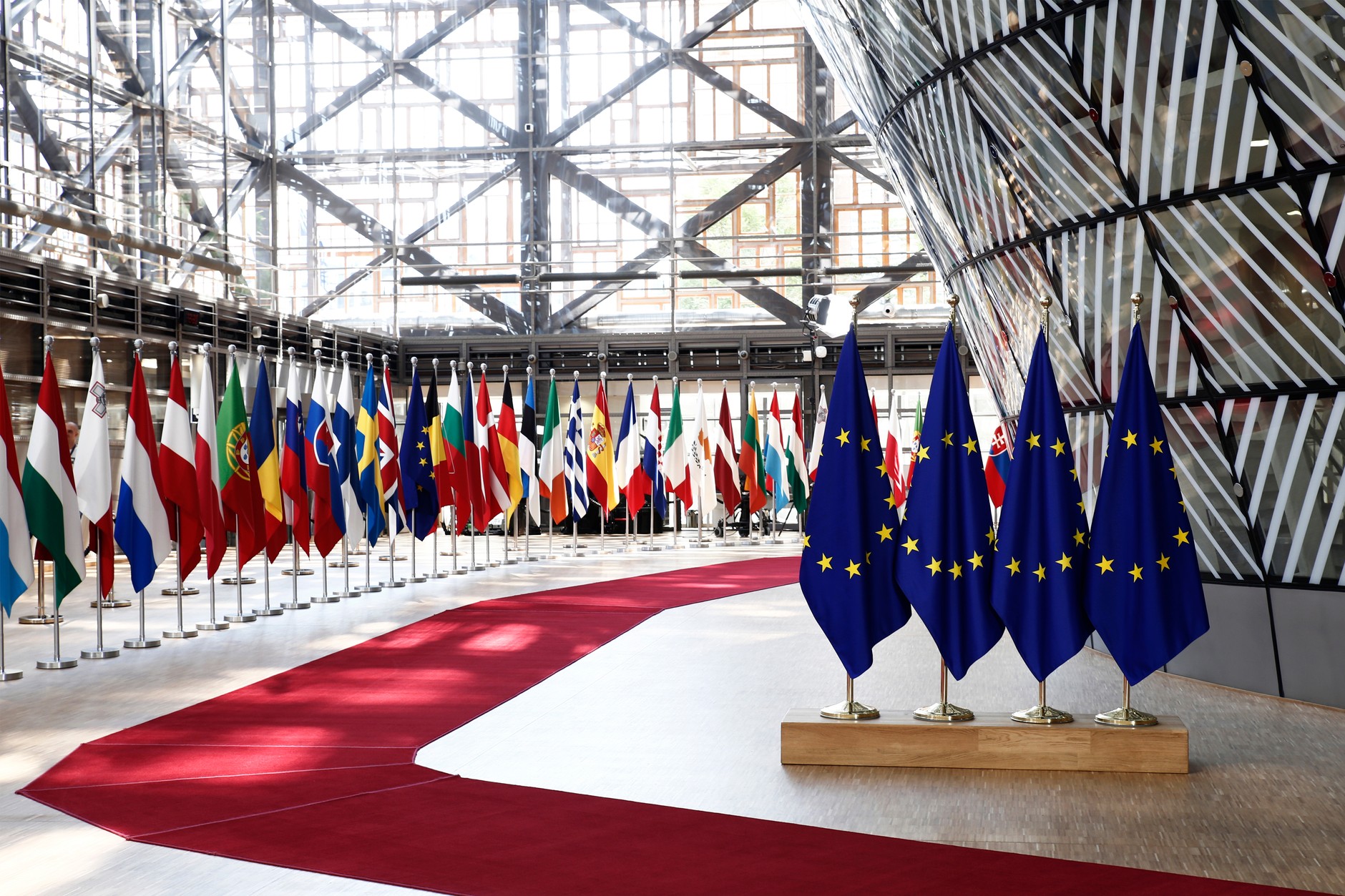
Seat of the European Council in Brussels. Illustrative photoAlexandros Michailidis / PAP
On December 12, the European Council voted to further freeze all Russian state assets in Europe for an indefinite period, to prevent them from being used as bargaining chips in possible peace talks.
There is still work to be done, but EU leaders should not forget that both the G7 and the European Union have clearly declared that Russian state assets “will remain frozen, until Russia ends the war of aggression and pays for the damage caused to Ukraine as a result of this war“The risk that Russia will recover these funds today is, to put it mildly, very small.
Delay only works to Moscow's advantage
Unfortunately, despite numerous meetings between the European Commission and the Belgian government in recent months the necessary agreement has not yet been reached. Belgium is still reluctant to support the reparations loan plan, despite new written guarantees.
Following deadly and increasingly brutal Russian attacks on Ukraine's civilian infrastructure it is a mistake to believe Russian propaganda and think that a reparations loan from the EU would jeopardize the peace agreement. On the contrary, the longer Europe and its allies delay in providing financial and military assistance, the more Ukrainians will lose their lives and the greater the security of Europe will be at risk.
The next European Council meeting is approaching. Belgium still has a chance to be on the right side of history and on the side of victory in this fight for Ukraine, and therefore for Europe. There is still time this year to finalize the urgently needed reparations loan, providing the necessary guarantees from Belgium and Euroclear [instytucji finansowej, w której przechowywane są rosyjskie aktywa].
Combined with a new IMF program and further assistance from other countries and institutions, Europe's support will allow Ukraine to fill the upcoming financial gap and provide its necessary defense and economic survival as a sovereign, democratic state in Europe. Other countries such as the United Kingdom, Canada and the United States should follow Europe's example. Peace and security of all Europe, including Ukraine, require at least this much.