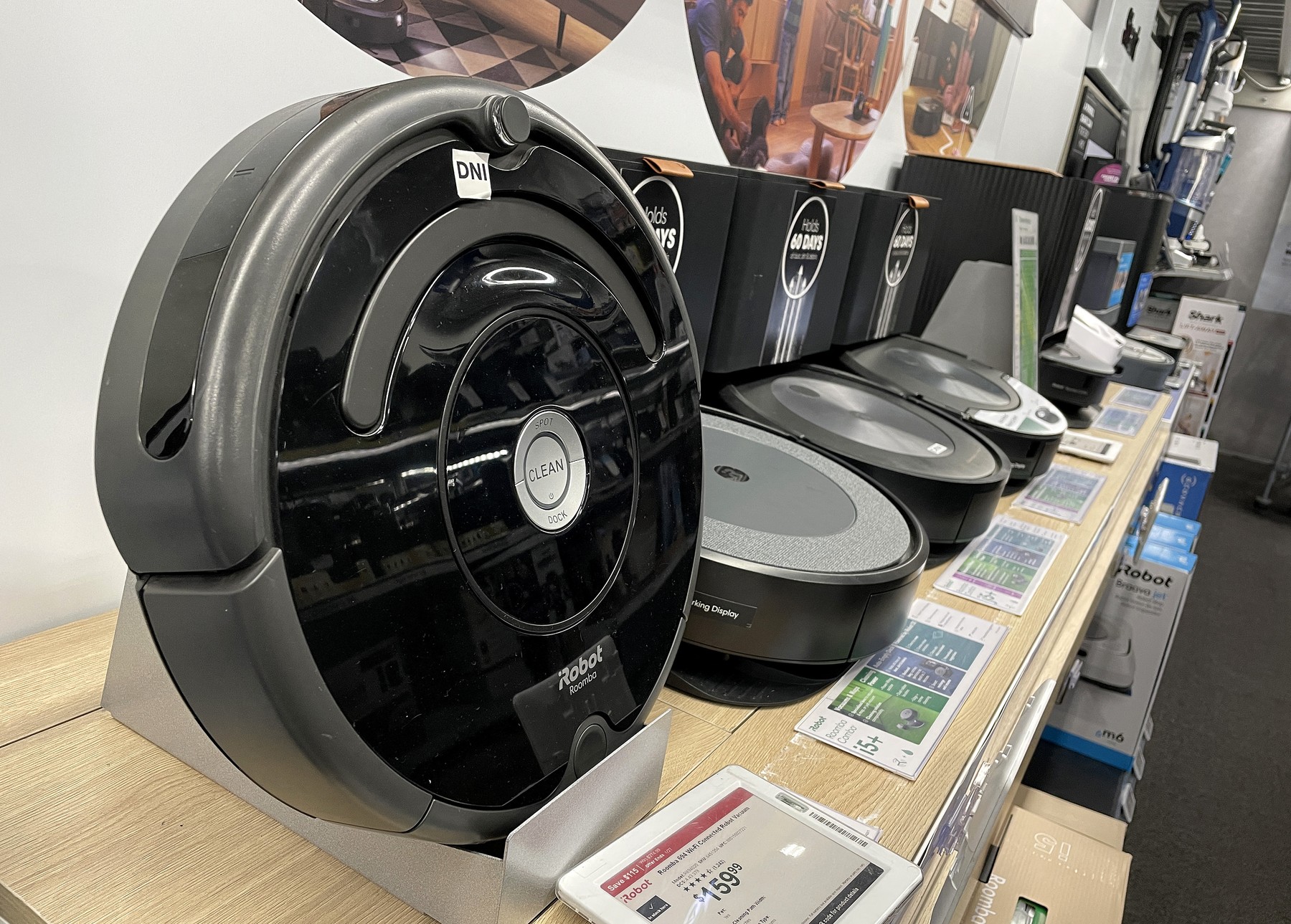
Roomba robotic vacuum cleaners on a store shelf, PHOTO: Justin Sullivan / Getty images / Profimedia
iRobot, the maker of Roomba robotic vacuum cleaners, has filed for Chapter 11 bankruptcy protection, but says it doesn't expect any disruption to the devices, the Associated Press reports.
The move by the more than 30-year-old company comes as it will also be delisted from the stock market as part of wider restructuring plans.
The share price of iRobot stock plunged nearly 70% to $1.31 after the announcement.
Chapter 11 of the US Bankruptcy Code allows for the reorganization of activities and is available to any business, whether organized as a corporation, partnership or sole proprietorship, as well as to individuals. The procedure is more similar to that of insolvency in Romania.
iRobot has been struggling lately amid intensifying competition, layoffs and falling stock prices. In 2022, Amazon announced it had reached an agreement to buy iRobot for about $1.7 billion, but the deal was called off last year.
The manufacturer of Roomba vacuum cleaners will be bought by a Chinese company
Amazon blamed this on “unjustified and disproportionate regulatory hurdles” after the European Union signaled its opposition to the deal. Amazon said at the time it would pay iRobot a previously determined termination fee of $94 million, and iRobot said it would go through a restructuring process to help stabilize the company.
iRobot announced on Sunday that it will be acquired by Picea through a court-supervised process. Picea, or Shenzhen PICEA Robotics, is iRobot's main contract manufacturer. With facilities in China and Vietnam, Picea has manufactured and sold more than 20 million robotic vacuum cleaners.
“The transaction will strengthen our financial position and help ensure continuity for our consumers, customers and partners,” iRobot CEO Gary Cohen said in a statement.
iRobot said it will continue business as usual during the bankruptcy proceedings and does not expect any disruption to its device functionality, customer programs, global partner relationships, supply chain or ongoing product support.
The Bedford, Massachusetts-based company said it expects to complete its Chapter 11 filing by February.