The dumpling riot. After Italian cuisine was included in the UNESCO heritage, part of the country's inhabitants revolted: “We are not Italy”


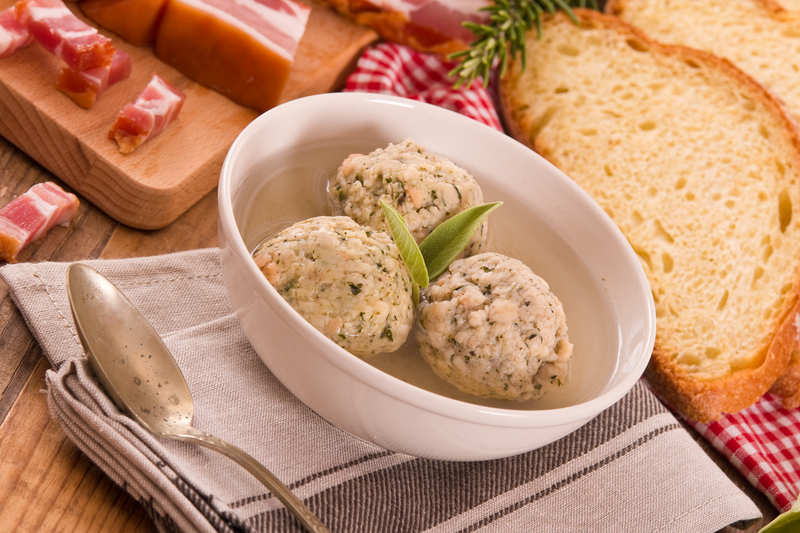
Photo: Milla74 | Dreamstime.com
The decision to introduce Italian cuisine into the UNESCO heritage has also sparked reactions of pride and separatist voices in the Peninsula, writes the Corriere della Sera newspaper.
From “Südtirol ist nicht Italien” (“South Tyrol is not Italy”) to “Knödel sind nicht italienisch” (“Dumplings are not Italian”). The separatist motto has also reached the kitchen, claiming that the dumplings are not part of the Italian culinary “world heritage”, writes the Italian newspaper.
And while around the world Made in Italy products are counterfeited, with imitations such as “Parmiggiano Ruggiano” instead of Parmigiano Reggiano and “Ragu Bolognese instead of Ragu Bolognese”, causing damage to the Italian agri-food industry worth 63 billion, a part of the inhabitants of the autonomous region of South Tyrol (located on the border with Austria, ed.) does not feel represented by this UNESCO honor.
A German speaking region
According to the Wikipedia description, South Tyrol enjoys a considerable level of autonomy, with a wide range of exclusive legislative and executive powers, and a tax regime that allows it to keep 90% of revenues while remaining a net contributor to the national budget. In 2023, it was the richest province in Italy and one of the richest in the European Union.
According to the 2024 census, 57.6% of the population used German as their first language; 22.6% of the population spoke Italian, mainly in and around the two big cities (Bolzano and Merano); 3.7% spoke Ladin, a Romansh language; and 16.1% of the population (mainly recent immigrants) spoke a language other than Italian and German.
Fury in the local press
“Now, all of a sudden, canederli – (traditional dumplings made of bread, ham, cheese and aromatic herbs, ed.) have become part of Italy's cultural heritage,” writes the newspaper Dolomiten sarcastically. Assessing the mood of local politics, South Tyrol's most widely read German-language newspaper points out that speck and Schlutzer have no Mediterranean origins at all. “Can Schlutzkrapfen (stuffed ravioli), cheese gnocchi (Käsenocken) and Tirtlan (stuffed pancakes) really be marketed as Italian products?”, the paper asks.
However, not everyone in the South Tyrol region is so fierce. One of the separatist leaders, Sven Knoll, is unusually soft-spoken, notes the Corriere: “There has always been an exchange in the kitchen; Viennese cuisine comes from Bohemian cuisine, and Germany produces a lot of pizza, but it is not a typical German product.”