Eider down is one of the warmest natural materials, but it is not cheap. A double eider down duvet can cost over $8,000. Down is obtained from the nests of wild eider ducks that live in Iceland. Collecting a kilogram of this fluffy material is not easy. Only 4 tons of this raw material are produced annually around the world.
Read also: Sentenced to life in prison, he learns AI and bathes in an icy lake. Only in this country
What makes eider down so expensive?
Eider down is the soft undercoat of the eider duck that protects it from arctic conditions and the icy sea. During the breeding season, this down naturally falls out and the ducks use it to build nests.
This is where eider down collectors come into action. Eider down breeders across Iceland either take small amounts from each nest or wait until the birds leave for good.
Eider down is a natural product. When eider ducks leave their nests, they leave their fluff behind, so if we didn't take it away it would simply be blown away by the wind and become unusable
– explains Erla Friðriksdóttir, CEO of King Eider.
This product is natural and ethically sourced, but sourcing is not very practical. Breeders must find the nests and collect the down by hand, and each nest contains just 15g of down.
— There are 240 islands in Breiðafjörður Bay, and eider nests on 150 of them. We have to move between all the islands in small boats. The nests are not located close to each other, so we have to go around entire islands to find them. Finding the nest can be difficult, admits Erla
“Sometimes it's hidden between rocks, tall grass or plants and we have to look very carefully to find the nests, but I'm sure we don't find all of them,” she adds.
Read also: One such root can cost as much as a car. Business is booming
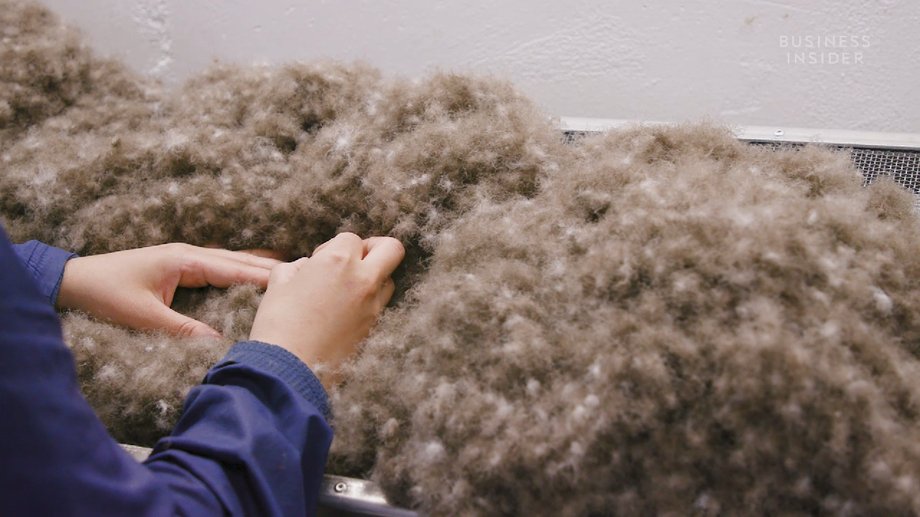
Eider down is considered one of the warmest downs in the world
|
Business Insider
Obtaining eider down is the first stage. What happens next?
However, collecting the down is only the beginning of the work. As much as 80 percent the bulk of the harvest consists of sticks, seaweed or larger feathers that need to be removed.
The down is first transferred to an oven and fired at a temperature of 120 degrees Celsius for at least eight hours, which removes unwanted impurities and facilitates sorting.
It then passes through a number of specially constructed machines, each of which continues to sort more pieces of down.
A larger spinning machine separates the outer parts of the feather, but the only way to ensure that each feather is removed is to do it by hand.
After cleaning the down in machines, we have to repeat it by hand, and it takes an experienced person about four or five hours to collect a kilogram
– explains Erla.
After laborious manual removal of all feathers, the down is ready for the final washing, ironing and drying. For the few who can afford it, ready-made eider down is worth the work.
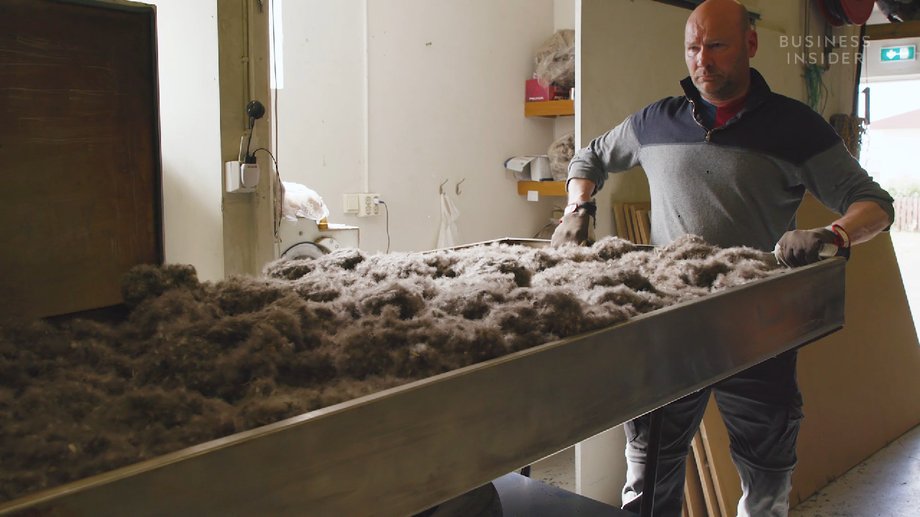
Eider down requires manual selection
|
Business Insider
Compared to other goose or duck down, eider down is denser, stronger and insulates better. It has little hooks that trap air and make it more wind-resistant.
Most of the down produced by King Eider is sold raw to companies that use it in their products, but the company also sells its own pillows and duvets.
Eider ducks are strictly protected in Iceland. Hunting them or selling their eggs is illegal, and the down produced is closely monitored.
In 1970, Iceland introduced regulations requiring that all down products sold be certified. Additionally, when we produce certain products, such as duvets, pillows or some clothes, we must make an appointment with an inspector who checks the quality and weight of the product before we fill it with down.
says Erla.
Read also: Mud crabs are the culinary gold of Asia. Now they are in danger of extinction
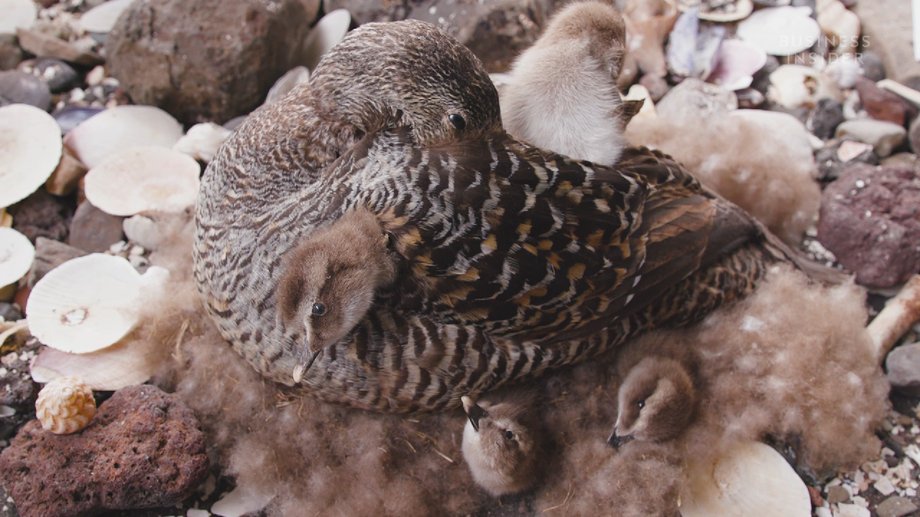
Eider down is obtained from the nests of wild eider ducks that live in Iceland.
|
Business Insider
Each eider down duvet must be checked by a special inspector
This rigorous system means that every eider down product in Iceland has been checked by an inspector. Other countries have their own certification systems, but Iceland produces about 80 percent. world's eider down.
Unlike industrially farmed down, which is often a by-product of the meat industry and often involves breeding in cages and plucking live geese, all eider ducks are raised in the wild.
While the process itself is labor-intensive, a large part of farmers' work is keeping the ducks safe.
“We need to protect the area for eider ducks and try to attract them here. We try to deter predators such as foxes and minks, as well as seagulls and ravens. Some people build fences and others use bright colors or noises to deter predators, so it takes a lot of work to keep an eye on the area, explains CEO King Eider.
However, if done correctly, the end result is one of the warmest natural fibers in the world.