Ireland increases military spending after Zelenskiy visit during which drones were seen in the path of the Ukrainian leader's plane


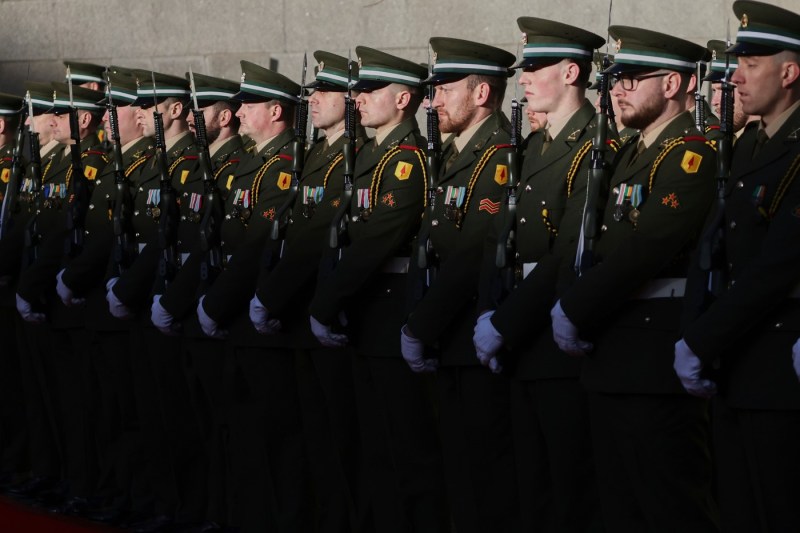
Irish military Photo: Peter Morrison / AP / Profimedia
The Irish Minister of Defense, Helen McEntee, announced on Thursday a 55% increase in military spending, with investments in anti-drone technology, just a few days after unidentified drones were detected during the visit of Ukrainian President Volodymyr Zelensky to Dublin, reports AFP, taken by Agerpres.
Details of the spending plan, which will run until 2030 and now stands at €1.7 billion, were unveiled by Helen McEntee during a visit to the Curragh military camp in Kildare, west of the capital.
The announced anti-drone technology would be operational from next summer, when Ireland will take over the rotating presidency of the European Union. This will allow “the detection, identification and neutralization of any drone that could pose a threat,” she told journalists.
“We are focusing on the expansion and development of a new radar system” until 2028, the minister also declared.
Several drones were spotted along the flight path of the plane carrying Ukrainian President Volodymyr Zelensky when he arrived in Dublin on the evening of December 1 for an official visit. Police and the military are still investigating the incident, Helen McEntee said.
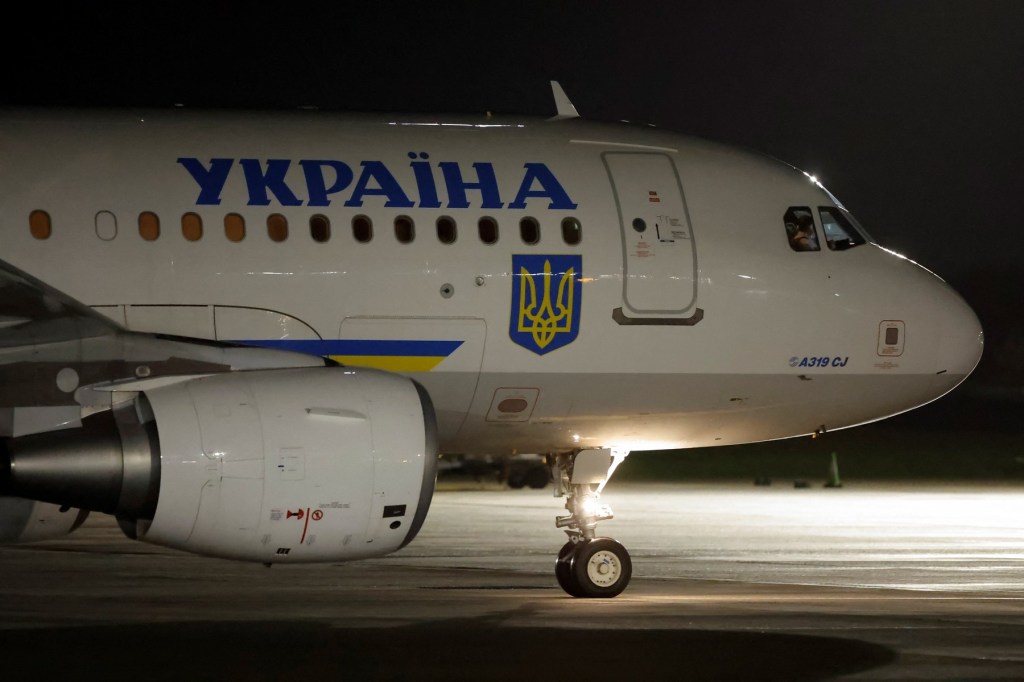 Ireland's official announcement about the military drones that followed Zelenskiy's plane
Reports of drone overflights of airports and other sensitive sites, including military ones, have increased in recent months in Northern Europe, with the leaders of these countries seeing Moscow's involvement in these actions.
During his visit to Dublin on Tuesday, the President of the European Council, António Costa, said that this incident was “another example of hybrid attacks and threats from Russia on European territory”.
Helen McEntee indicated that the spending plan will also include “significant investment in the purchase of new aircraft and transport vehicles” for the troops. She also announced that these funds will be used to improve the capabilities of sonar to monitor the seabed and protect submarine cables.
Experts and political leaders believe that several alleged acts of sabotage are also part of Russia's hybrid war against Western countries, amid rising tensions in the Baltic Sea since the 2022 invasion of Ukraine.