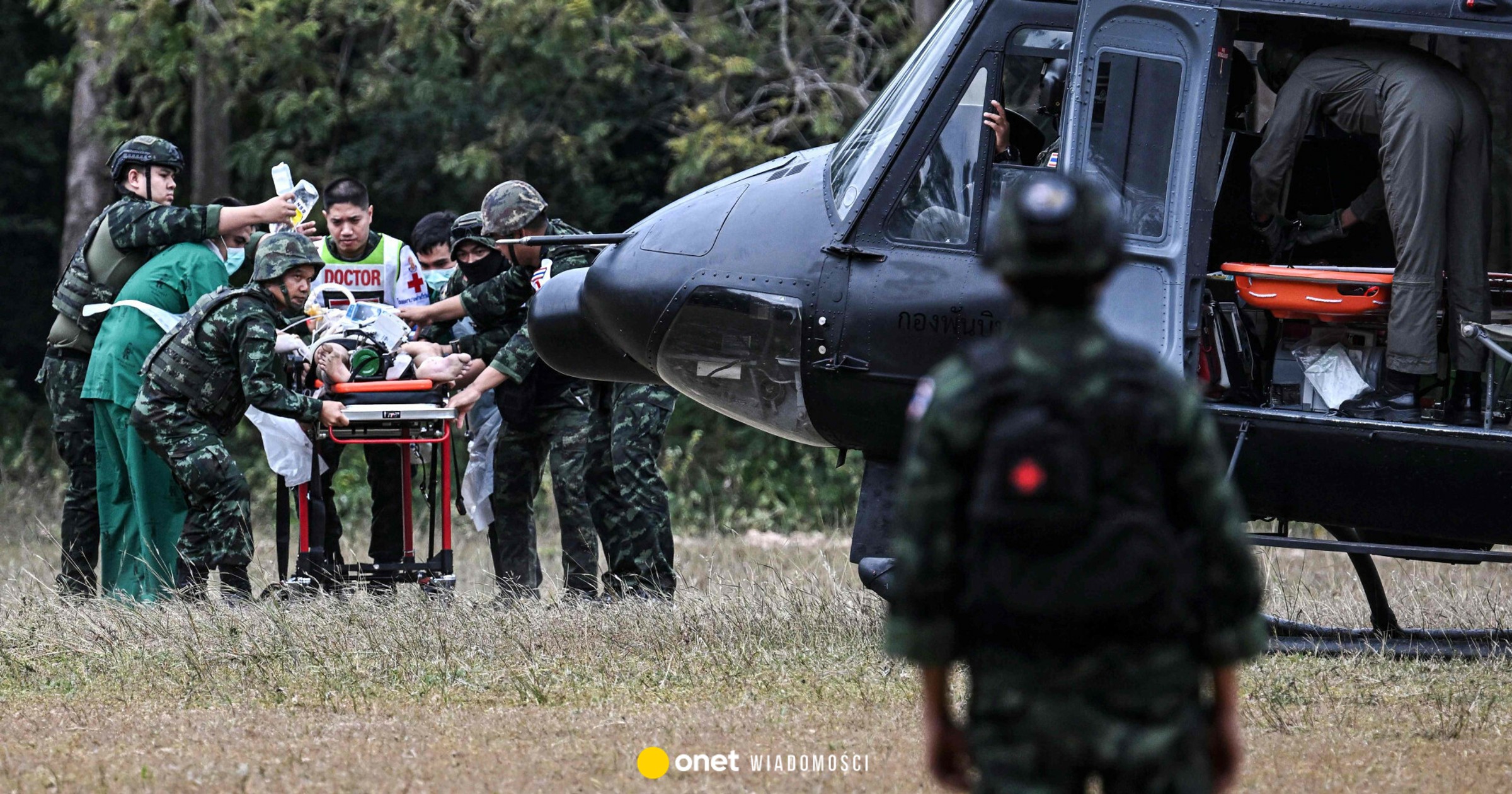
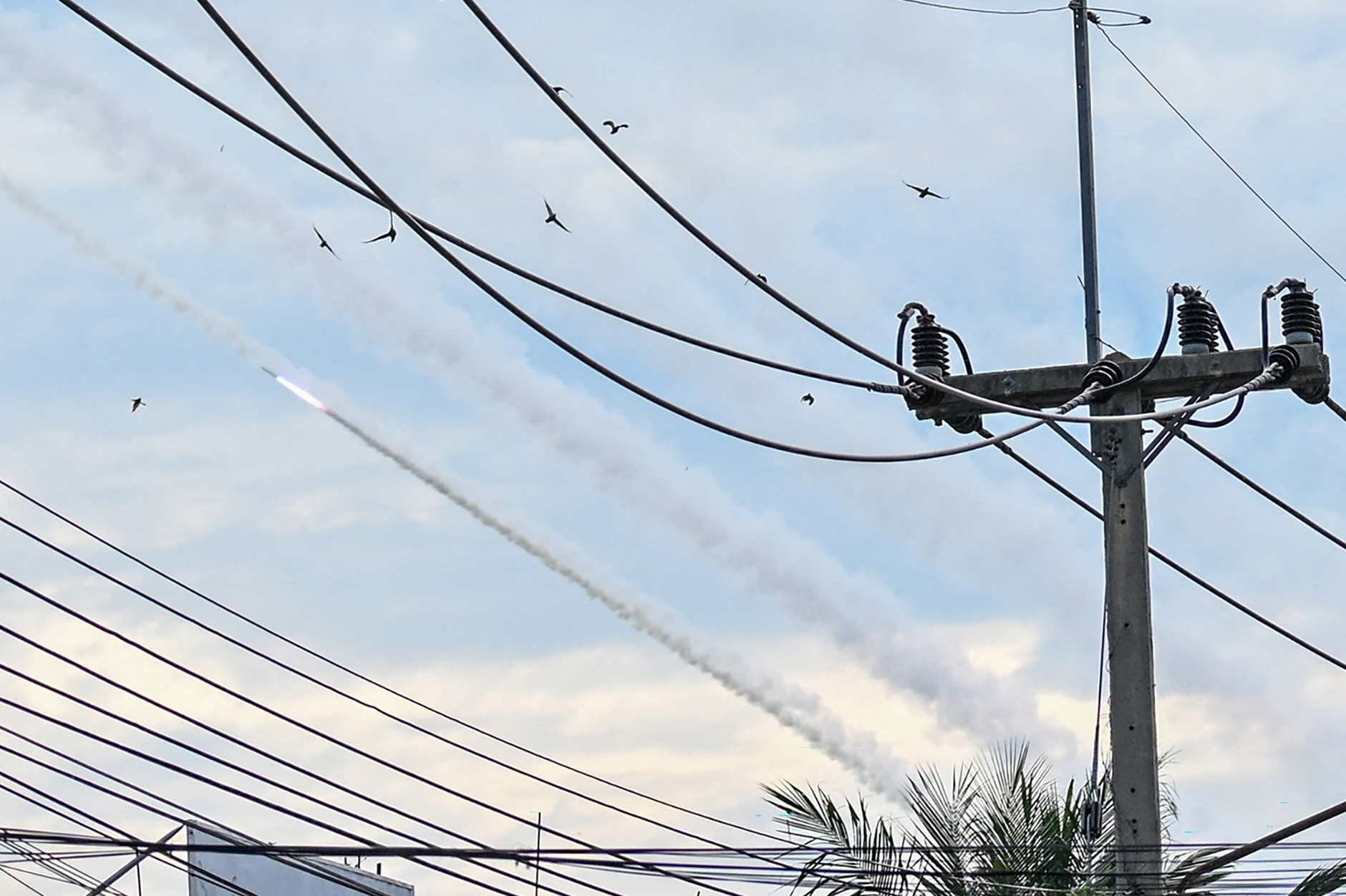
Despite the US President's assurances of peace, fierce fighting is taking place again between Thailand and Cambodia. On Monday, December 8, a Thai F-16 fighter bombed and destroyed a Cambodian casino near the border.
On Tuesday, December 9, in many places along the 800 km long border between the two countries, tens of thousands more people had to flee. The total number of people evacuated in Cambodia and Thailand has already reached half a million, according to some estimates.
Just at the beginning of the tourist season, when planes to Thailand are full again and hotels are mostly booked, the dispute between Thailand and Cambodia has become extremely intense. The fighting between the quarreling countries escalated already in the middle of the year. However, the current developments seem particularly dangerous.
The origins of this conflict may seem non-obvious.
The territorial dispute between the two countries has been going on for over 100 years and concerns, among others, claims to the Prasat Preah Vihear temple (probably from the 10th–12th centuries), which has been on the UNESCO World Heritage List since 2008.
In this year's edition of the dispute, victims on the Cambodian side it happened already in May. On July 23, a Thai soldier was blown up by a Cambodian mine and lost a leg, leading to further tensions. On the same day, Thailand recalled its ambassador from Phnom Penh and expelled the Cambodian ambassador from Bangkok.
New raids
Currently, residents of border areas on both sides of the border must flee to shelters or safer parts of the country. On Tuesday, December 9, Thai armed forces used armored artillery and destroyed another casino building that was allegedly used by the Cambodian military as a command center.
On its Facebook page, the Royal Thai Air Force (RTAF) said the operations were for self-defense and civilian protection. The media reports about a dozen deaths on both sides – most of them are Cambodian civilians. Three Thai soldiers were also killed. The number of deaths on both sides is increasing, and some reports indicate a much higher number of victims. A warning about traveling in this region was issued by, among others, Poland.
As France 24 reported on Wednesday morning, December 10, a total of over half a million people have been evacuated from the border area of both countries. They seek shelter in schools and shelters.
According to the Thai military, no gambling took place in the casinos – they were allegedly used as a drone control center and weapons storage facilities.
“We insist on an immediate cessation of hostilities.”
Thai marines launched an operation against Cambodian troops to retake the border area occupied by enemy forces. Cambodia rejected allegations that the casino buildings were used for military purposes and stressed that the facilities were unused at the time of the attack.
“We urge an immediate cessation of hostilities, the protection of civilians, and a return to de-escalation by both sides,” US Secretary of State Marco Rubio said in a statement, recalling the peace agreement signed on October 26 in Kuala Lumpur.
Rubio's Thai counterpart responded that Thailand should not be pressured by the threat of tariff increases. Thai Prime Minister Anutin Charnvirakul said the door to negotiations with the opponent is not currently open. Cambodia, in turn, condemned Thailand as the aggressor.
The fighting is limited to the border areas and does not threaten areas visited by foreign tourists. However, hatred and distrust are returning between the two nations. Cambodian workers and students in Thailand are once again concerned about their safety. According to Thailand's education minister, almost 1,000 schools have been closed in the conflict area. schools.
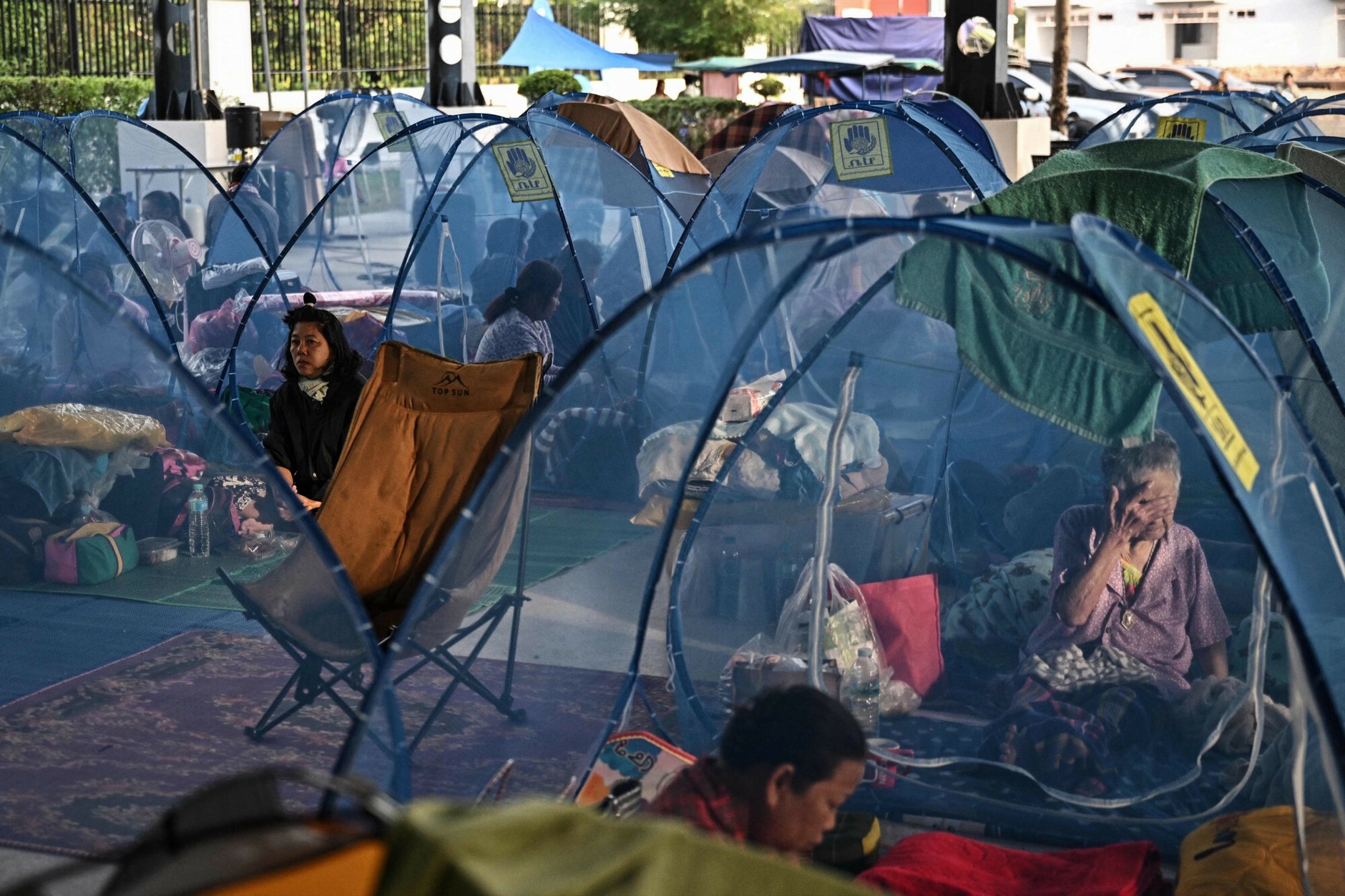
Evacuated residents rest in a refugee shelter, Sa Kaeo province, Thailand, December 10, 2025.LILLIAN SUWANRUMPHA/AFP/East News / East News
The U.S. Embassy in Bangkok warns in a security advisory against entering areas within 50 km of the Thailand-Cambodia border. The Dutch government has advised people planning to travel to avoid “red zones” in the border regions of Thailand and Cambodia. London recommends limiting travel near the border to “absolutely essential”.
The Swiss Federal Department of Foreign Affairs warns on its Thailand website against travel to the crisis area: “Travel to the border area with Cambodia is advised against” and “tourism and other non-urgent travel to the provinces of Buriram, Sisaket, Surin and Ubon Ratchathani.”
There are also minefields in all border zones. The situation remains tense.