The consumption of the population exceeds the level of income, says the BNR report. How many Romanians still receive the money in the envelope at the salary


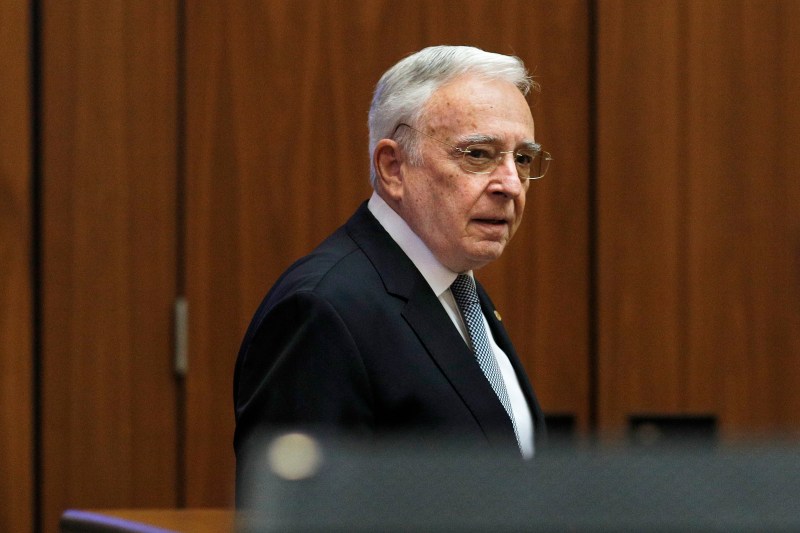
Mugur Isărescu. Photo: Inquam Photos / Mălina Norocea
A few years ago, a rumor circulated: what does a Romanian do with 100 euros? Answer: he makes another loan of 1,000 euros and goes on vacation in Thassos!
Jjournalist Dan Popa sends the “EconoMix” newsletter every Thursday morning. If you are interested in personal finances and want to receive economic recommendations, you can subscribe here:
“The population's gross savings rate remained negative in the post-pandemic period, indicating that, as a whole, the population's consumption exceeds the level of current income, the surplus being financed either from accumulated savings or through credit,” says the BNR in the Stability Report, published on Tuesday.
Not only the state consumes more than it earns, but so do the people.
25% of employees take the money in the envelope
Mugur Isărescu's people also say that these vulnerabilities could be amplified by the slowdown in the growth rate of real disposable incomes, against the background of high inflation and as an effect of fiscal measures, as well as by the modest evolution of economic activity.
The BNR report that a quarter of employees still receive their salary in an envelope (three quarters collect it in a bank account) and that half of pensioners receive their pension only in cash, a share similar to the last 3 years.
The increase in income was not reflected in an increase in saving
The gross population saving rate has remained negative in the post-pandemic period. This indicates that, as a whole, the consumption of the population exceeds the level of current income. Where does the difference come from? From old accumulated savings or credit.
Most taxpayers in Pillar II (68%) are over 35 years old, and in Pillar III over 45 years old (58%), which indicates the need for more active involvement of young people to strengthen their financial future.
Only 1 in 15 Romanians put money aside for when they can no longer work
“At the same time, only 7% of the population saves for old age, a sign of low financial inclusion. Although slightly increasing, Romania remains in last place in the EU from this point of view”, warns the BNR.
Compared to the European Union, Romania registers the lowest degree of financial inclusion, namely 71%, compared to the EU average of 94 percent and similar economies in the region (Chart L). This situation is also reflected in the lowest level of financial intermediation between the states of the Union.
Why do Romanians avoid banks?
According to the BNR report, the main reasons why people do not have an account and are over 15 years old include
- insufficient funds (37%),
- lack of trust in banks and similar financial institutions (36%),
- financial services too expensive (36%) and
- someone else in the family has an account (35%)”
Family and friends, the main creditors
In emergency situations, most people turn to family and friends for funds (42% of people aged 15 and over), with the next main sources being personal savings (22%) and income from work (13%).
68% of respondents believe that it is possible to obtain funds for emergency situations within 30 days, and for the majority this is not difficult or only somewhat difficult.
The most pressing financial problems for the adult population in Romania are:
1. Payment of medical costs in the event of a serious illness or accident – for one third of people over 15 years of age,
2. Payment of monthly expenses and bills – in the case of 26% of people over 15 years of age and
3. Financial resources for old age for 17% of adults.