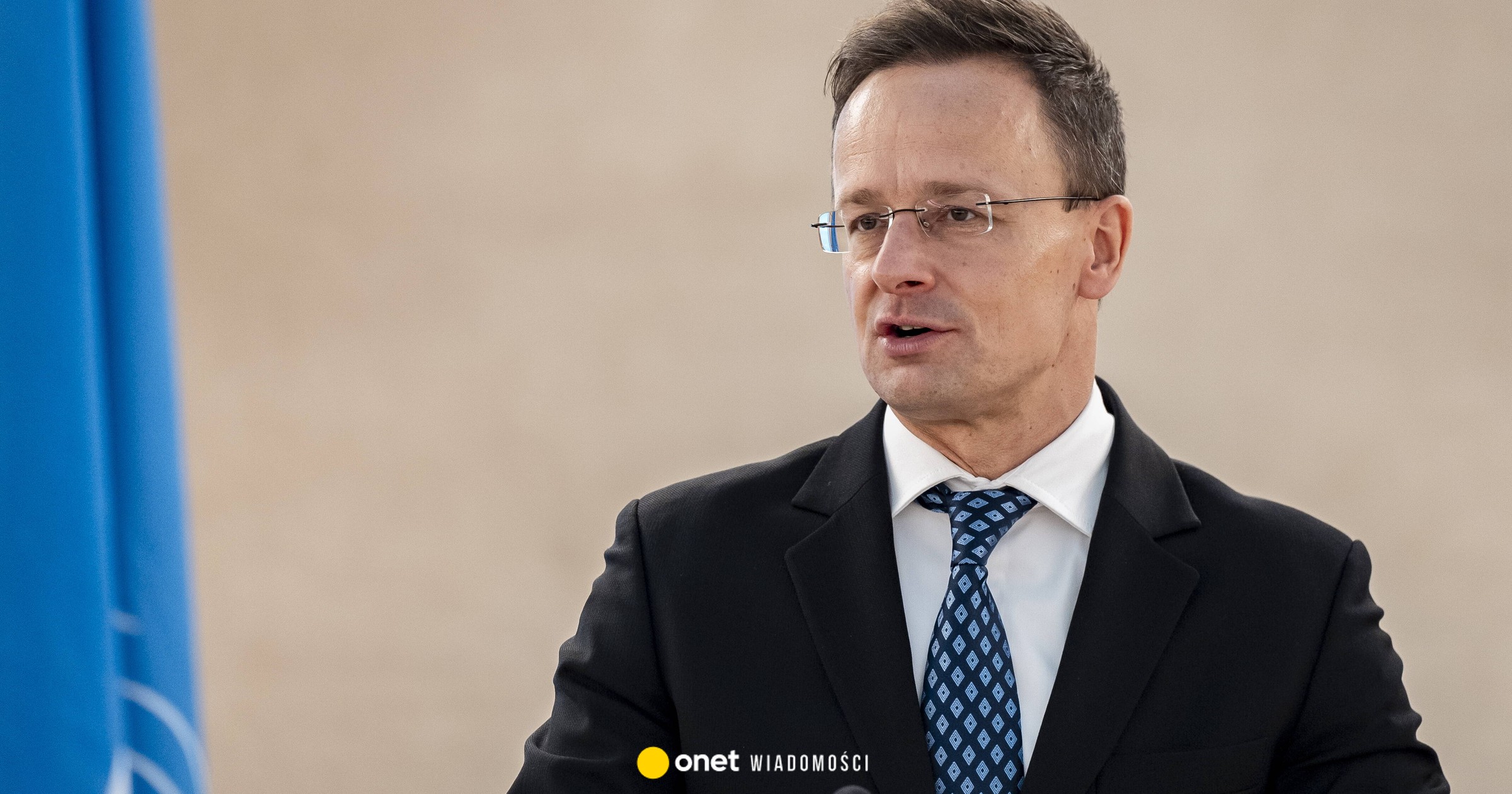
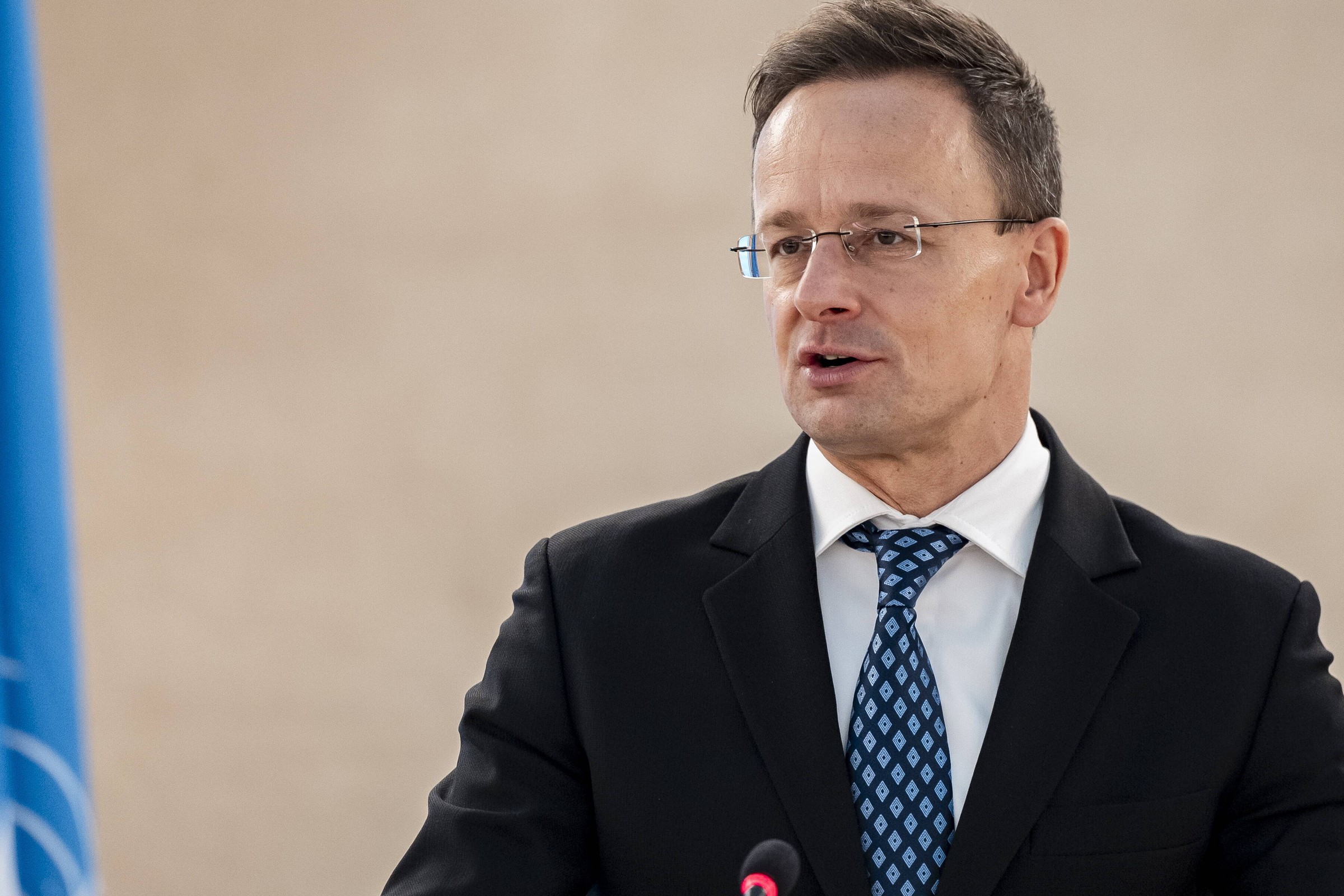
Szijjarto said that even if peace is difficult to achieve, the emerging peace plan offers serious hope. — The government is already working on this Hungary was best prepared for the new global economic and trade era after the end of the war — he said after talks with the head of the Russian Foreign Ministry.
The article continues below the video
Who met with Sergei Lavrov?
What did Peter Szijjarto say after the conversation?
What hope did the Hungarian minister express?
What works will start next week at the Paks power plant?
Hungarian minister on the peace plan for Ukraine. “A Ray of Hope”
The Hungarian minister called the peace plan “a serious ray of hope” and expressed full support for the US-Russian negotiations on this matter. – We hope that this dialogue will lead to peace, and when it does, the era of sanctions will also end, said the head of Hungarian diplomacy, emphasizing that the sanctions have already harmed Europe enough.
“The new economic and trade era will bring enormous opportunities, and we intend to put ourselves in the best possible starting position,” Szijjarto added. He also emphasized that he was accompanied on the trip by 34 representatives of Hungarian business, including the oil sector.
Hungary is expanding its nuclear power plant. Russia came to the rescue
The Hungarian foreign minister also stated that Budapest's cooperation with Moscow in the field of energy and economy “has always been based on common sense, bringing clear benefits to Hungarian companies and families.” He stressed that Hungary “will not deviate from this path, regardless of the pressure that will be put on it.”
Szijjarto also announced in Moscow that the expansion of the Paks nuclear power plant is progressing faster than planned, which will allow technical work preceding the first pouring of concrete for its expansion to begin next week.
The Russian state-owned company Rosatom, which is expanding the Paks power plant, is building two new units with a capacity of 1,200 MW each. The project called Paks II is one of the key energy projects of Viktor Orban's government. The investment value is expected to be approximately EUR 12 billion. The project is to be fully financed by the Hungarian state, which borrowed funds from Russia for this purpose.