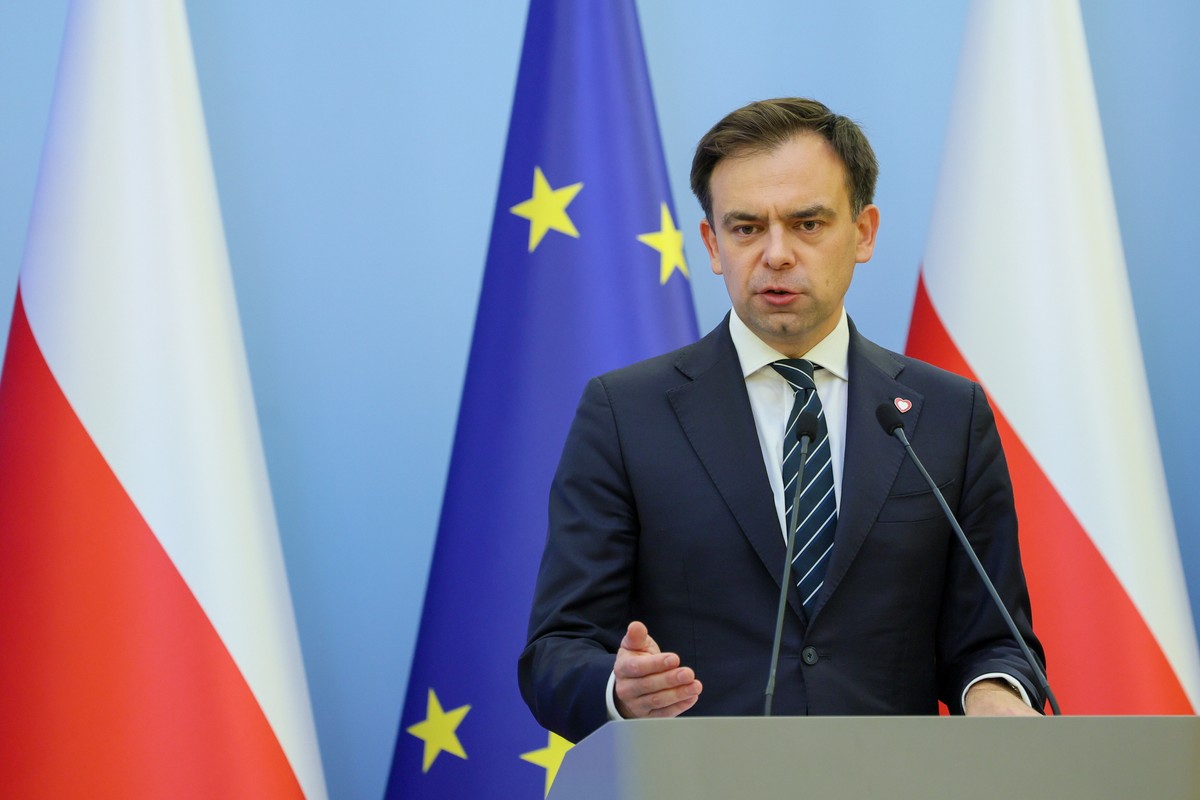
The Minister of Finance and Economy Andrzej Domański during a press conference on August 28 emphasized that next year's budget is to be focused on security, investments and citizens' support. After the presentation of the details, however, it turned out that the support would not cover everyone equally – the government had to choose who to grant more funds.
In the draft budget for 2026, defense expenditure is expected to increase to PLN 200.1 billion, i.e. PLN 13.5 billion more than this year. The government will also allocate PLN 247.8 billion to health care, which means an increase of PLN 25 billion compared to this year's expenditure, which is from 222 to 225 billion.
Minister Domański noted that funds for strategic infrastructure investments were secured, such as the construction of the first Polish nuclear power plant, development of the Central Communication Port, modernization of the railway network, energy transformation and the implementation of the “Polish Sea” program, including expansion of the port infrastructure in Świnoujście. In addition, the “Clean Air” program will receive support of PLN 6 billion.
The government will allocate PLN 53.9 billion for investments in roads and railways, of which PLN 20.1 billion will come directly from the state budget. This year, PLN 16.5 billion was spent on this purpose. In the field of housing, PLN 6.7 billion is planned, which are to be allocated mainly for the construction of 15,000. municipal premises throughout the country. According to estimates of the Tenants' Defense Committee, only about 20,000 are missing in Warsaw. such apartments.
Social transfers – continuation of support
Poland maintains a high position in the European Union in terms of social expenditure in relation to GDP, taking sixth place. In 2026, the government will allocate over PLN 122 billion to social benefits.
The indexation of pensions from March 1, 2026 will consume PLN 22 billion, and the benefits will increase by 4.9 percent. This year, valorisation was 5.5 percent. PLN 7 billion is planned for the new widow's pension, which is valid from July 1. During the first month, ZUS has already paid 1.8 billion PLN for 533 thousand. people.
The 800 plus program will be maintained, and its cost in 2026 will amount to PLN 61.7 billion, slightly less than today (PLN 62.8 billion). Additional retirement benefits, i.e. 13. and 14. Pensions will cost PLN 31.8 billion. The government will allocate PLN 6 billion to the “Active Parent” program.
The amount of funeral allowance will increase from 4,000 PLN up to 7 thousand PLN, which according to estimates will cost an additional PLN 1.2 billion.
Budgets of central offices and payable salaries
The government has foreseen budgets for central offices and institutions, such as the Chancellery of the Sejm and Senate, the National Council of the Judiciary, the Chancellery of the Prime Minister and the Constitutional Tribunal. In total, they are to receive PLN 24.43 billion, i.e. by PLN 2.20 billion more than this year. On average, this means almost 10 percent. a raise.
It is not yet determined whether the Sejm and the Senate will approve the higher budgets for individual institutions, such as the National Council of the Judiciary, which requests PLN 34.4 million for next year (by PLN 13.2 million more), or the National Broadcasting Council, which is applying for PLN 57.7 million (by one quarter more than now).
In terms of increases for budgetary workers, including teachers, Minister Domański announced that in 2026 the salaries would only be valorized by the indicator of the planned inflation, i.e. by 3 percent. At the same time, the draft budget act assumed that the average salary in the national economy would increase by 6.4 percent.
The minister reminded that in 2024 teachers received 30 percent. increases, and budget employees – 20 percent However, according to trade union central, such a solution can make salaries in the public sector even less competitive compared to the private sector, which may lead to an increase in the number of vacancies in key state institutions and deterioration of the quality of public services.